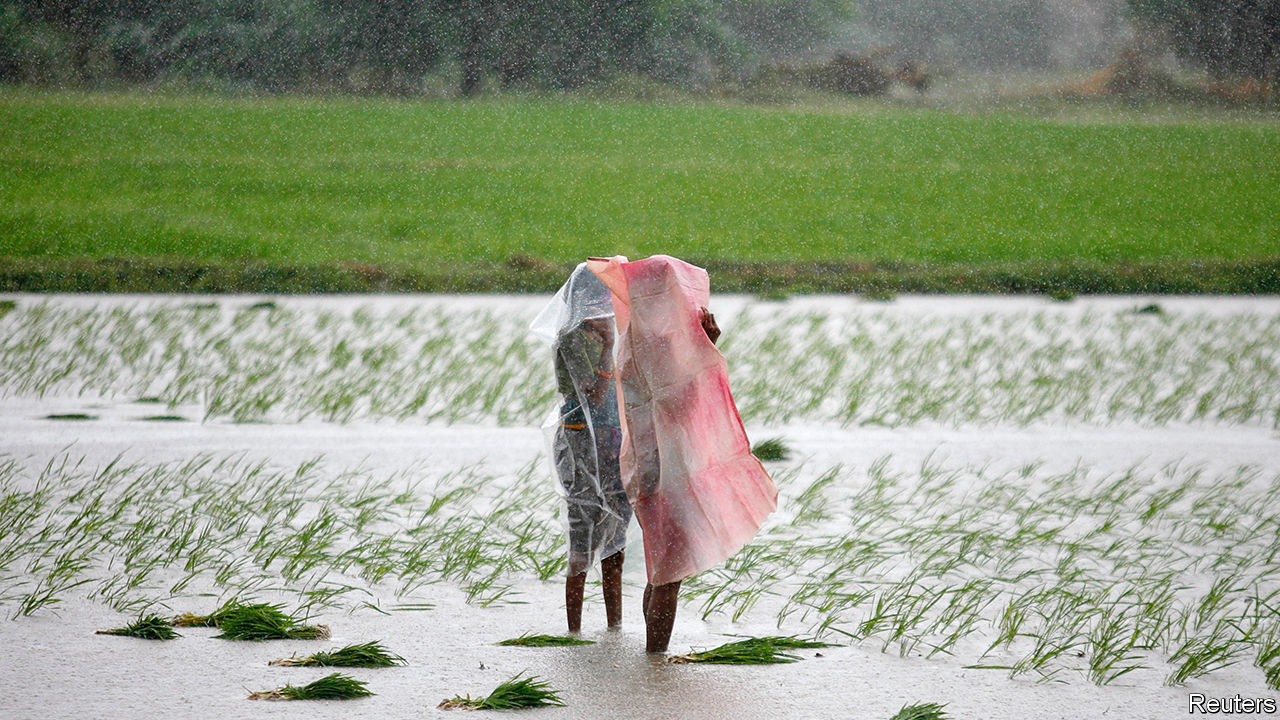
More than 15.10 lakh hectares of crop area in Maharashtra has been affected due to the heavy rain which has been lashing the state for the last few days. Soyabean, cotton, tur, and paddy are some of the major crops which have been affected with the figure expected to go up as the survey continues.
Since the start of the week, most parts of the state have witnessed torrential rain. Data from the India Meteorological Department (IMD) shows that 15 districts in the state have reported excess rainfall, while 6 have reported excess rain. Of the 36 districts in the state, 15 have reported normal rainfall. To date, the state has received 832.3 mm of rainfall which is a 30 per cent excess from the normal 641.9 mm it is supposed to receive.
Districts in the Marathwada and Vidarbha regions have reported large excess rain while those in Western Maharashtra, North Maharashtra, and Konkan have reported medium to small excess rainfall. Districts like Sangli (11 per cent), Akol (4 per cent), and Mumbai city (8 per cent) are the only exceptions which have reported deficit rainfall.
With Kharif sowing almost completed, the rain has come at a time when farmers expect a few sunny days to help the crops grow vegetatively. This season, Maharashtra farmers had to be content with a dry June but sowing had taken up after the July rainfall. The present rain can, however, affect the crops. Surveys to access crop damage in some areas, especially in East Vidarbha is yet to be completed given the torrential rainfall in the area.
Of all the crops, soyabean has reported the most damage with 6.52 lakh hectares of the over 46 lakh hectares area affected. Similarly, cotton (6.20 lakh hectares), tur (1.35 lakh hectares) and paddy (56,356 hectares) are the most affected. Crops like jawar (6,895 hectares), maize (525 hectares) turmeric (4,747 hectares) and vegetables especially onions (3,161 hectares) have also reported loss.
Soyabean farmers have expressed fear that the present rain would severely affect the yield of their crop. Most farmers feel that if the rain does not stop, their per acre yield would reduce to just around 1-2 quintals. The state government has asked these farmers to register their reports of crop loss with the call centres or mobile phone apps of crop insurance companies.
Minor loss has also been reported in crops like banana, sugarcane, bajri, mosambi, and others. Nanded (3.58 lakh hectares), Yavatmal (3.01 lakh hectares), and Nagpur (1.14 lakh hectares) are the worst affected in terms of area.
Source - https://indianexpress.com