India - Thanjavur farmers stare at loss as yellow virus hits black gram fields

21.06.2024 668 views

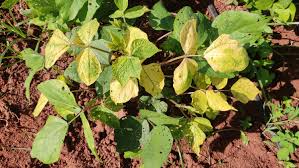
Black gram farmers in the district are staring at a heavy loss as yield is expected to be next to nothing due to the attack of the Yellow Mosaic Virus (YMV). Usually, farmers sow the black gram seeds in the traditional month of Chithirai (April-May) and harvest during the month of Aadi (July-August). “In the current Chithirai pattam, farmers have cultivated black gram in around 2,750 hectares,” an official of the Agriculture and Farmers Welfare Department told TNIE.

However widespread yellow virus attack on the crop left the farmers wondering about the quantum of yield. Some farmers have started ploughing back the standing black gram crop to start kuruvai cultivation as they did not expect the yield to compensate even harvest expenditure.

K Santhanam, a farmer from Umbalapadi village who cultivated black gram on six acres, said, “Around 60% of crops were affected by the yellow virus and in the remaining 40%, the number of grains per plant is deficient. Normally there would be 120 grains in a plant but now in some plants, the number is as low as four.”

So, he ploughed back the black gram crop and prepared for kuruvai paddy. “I have spent Rs 80,000 to cultivate the black gram and if I had gone to harvest, I would not have recovered even the harvest expenses,” he added. R Sukumaran of Kakkarai, who cultivated black gram on two acres, said that usually, the yellow virus attack will only affect 10% of the crops.

“However, during this season, 70% of the crops were attacked by the virus,” he added. Agriculture department officials also acknowledge the widespread attack and said the yield would plummet to more than 50% when there is a good market price of Rs 100 per kg. The agriculture scientists are saying the widespread attack was due to scorching heat wave conditions prevailing during May and subsequent climate variations, an official said.

Source - https://www.newindianexpress.com

22.04.2026

Bangladesh - PM rolls out master plans for 'smart agriculture'

Technology-driven modern farming is in sight in Bangladesh as Prime Minister Tarique Rahman Wednesday unveiled a set of master plans to implement "smart agriculture" initiatives for boosting agricultural production, diversifying farm products and addressing climate-change impacts.

22.04.2026

USA - Capital Farm Credit acquires Ag Crop Insurance Agency

In an effort to provide the best risk protection for ag producers in the High Plains region of Texas, Capital Farm Credit has acquired Ag Crop Insurance Agency.  

22.04.2026

Ukraine - Kherson Farmers Awarded 237.5 Million Hryvnias for Damaged Crops

According to Мін. Економіки: Agricultural producers in the Kherson region have received a total of 237.5 million hryvnias in compensation for crop damage. 

22.04.2026

USA - Game Commission Expands Crop Damage Programs

The Pennsylvania Game Commission took action to further address crop damage issues during its quarterly meeting on April 11.

22.04.2026

India - Unseasonal rains damage crops, farmers stage rasta-roko in Chegunta

Farmers in Chegunta mandal of Medak district blocked a road demanding compensation for crops damaged by unseasonal rains and gales. Officials reported damage to over 4,700 acres of paddy, while concerns remain over further losses due to predicted rainfall.

22.04.2026

Bangladesh - 2,483 farmers in Barguna get crop security insurance money

The insurance claim payment process has been completed among farmers who have taken crop safety insurance under Aman Product-2025 in the coastal district of Barguna. Out of a total of 3,324 insured farmers, 2,483 farmers have received insurance benefits worth about 1.1 million taka.

21.04.2026

New Zealand kiwifruit crop avoids major cyclone damage

Kiwifruit growers in New Zealand appear to have avoided a major impact from Cyclone Vaianu, which hit the east coast of the North Island this month. 

21.04.2026

Africa achieves first gene-edited grapevine using CRISPR for disease resistance, drought tolerance

A resistant grapevine reduces chemical input costs and crop loss.