La Nina refers to the periodic cooling of ocean surface temperatures in the central and east-central equatorial Pacific. This change in the surface temperature gradient is due to the periodic change in air mass and the shifting of the inter-tropical conversion zone (ITCZ). This natural event occurs irregularly, typically every few years, and has significant impacts on global weather patterns. During La Nina, there is a strengthening of the walker circulation, leading to cooler-than-average temperatures in the eastern Pacific and increased rainfall in the western Pacific. These changes can influence weather conditions worldwide, affecting precipitation patterns, temperature distributions, and even storm activity. Understanding La Nina is crucial for both climatologists and policymakers, as it can influence agricultural production, water resource management, and the disaster preparedness of a large landmass.
La Nina exerts a significant influence on the Indian monsoon and rainfall patterns. During La Nina, there is a strengthening of the Walker Circulation, which alters atmospheric circulation patterns over the Indian Ocean region. La Nina enhances monsoon rainfall over the Indian subcontinent. The emergence of La Nina typically leads to above-average rainfall in many parts of India. La Nina influences Indian rainfall by altering atmospheric circulation patterns, typically leading to above-average precipitation during its occurrence. However, the exact impact can vary depending on the strength and duration of the event. These altered rainfall patterns can affect agriculture, water resources, and overall socioeconomic conditions in the region. La Lina creates heavy monsoons throughout the Indian Subcontinent and Southeast Asia. It also creates a drought-like situation in Peru and Ecuador. It causes wet and cool winters in south-eastern Africa and wet weather conditions in eastern Australia.
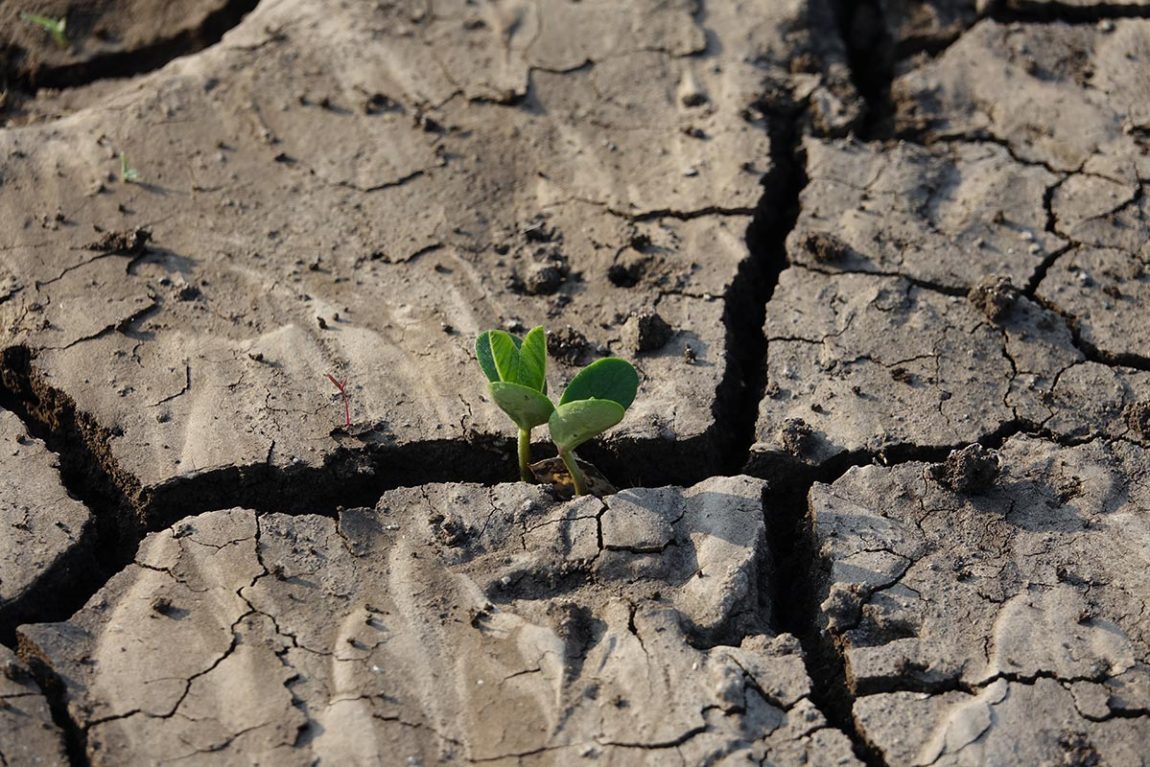
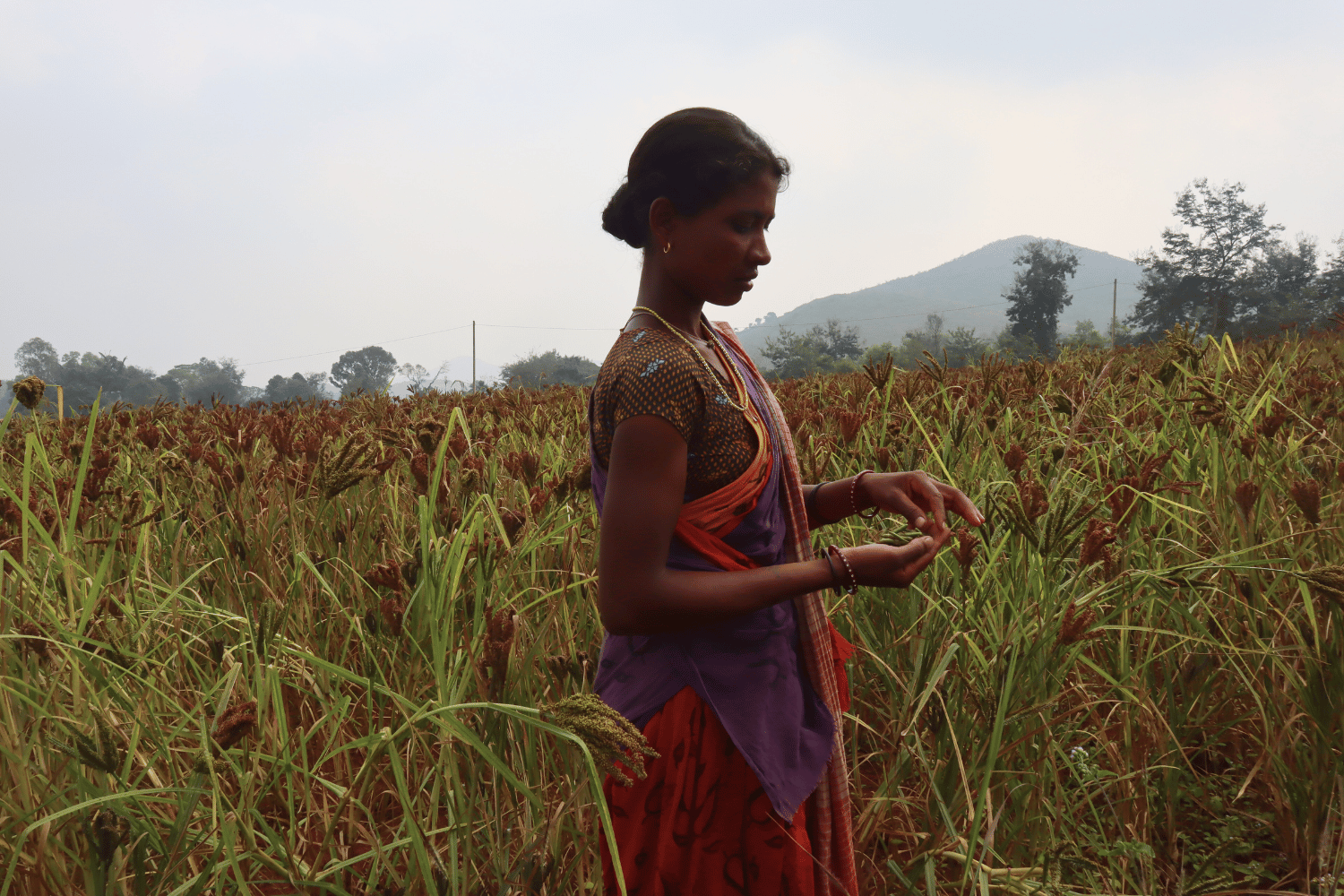
Rainfall is a critical factor in Indian agriculture, directly impacting crop yields, soil fertility, and overall agricultural productivity. Adequate and timely rainfall is essential for the successful cultivation of crops, particularly in rain-fed regions where irrigation facilities are limited. Insufficient rainfall or erratic precipitation patterns can lead to drought conditions, crop failure, and reduced agricultural output. This vulnerability to rainfall variability poses significant challenges for Indian farmers, especially smallholders who rely heavily on rain-fed agriculture for their livelihoods. Droughts caused by insufficient rainfall can result in food shortages, income loss, and increased rural poverty. Moreover, excessive rainfall, particularly during the monsoon season, can lead to floods, soil erosion, and waterlogging, further damaging crops and infrastructure. Climate change exacerbates these challenges, bringing increased unpredictability to rainfall patterns. To mitigate the impact of rainfall variability, farmers adopt various strategies, such as water conservation, crop diversification, and the use of drought-resistant varieties.
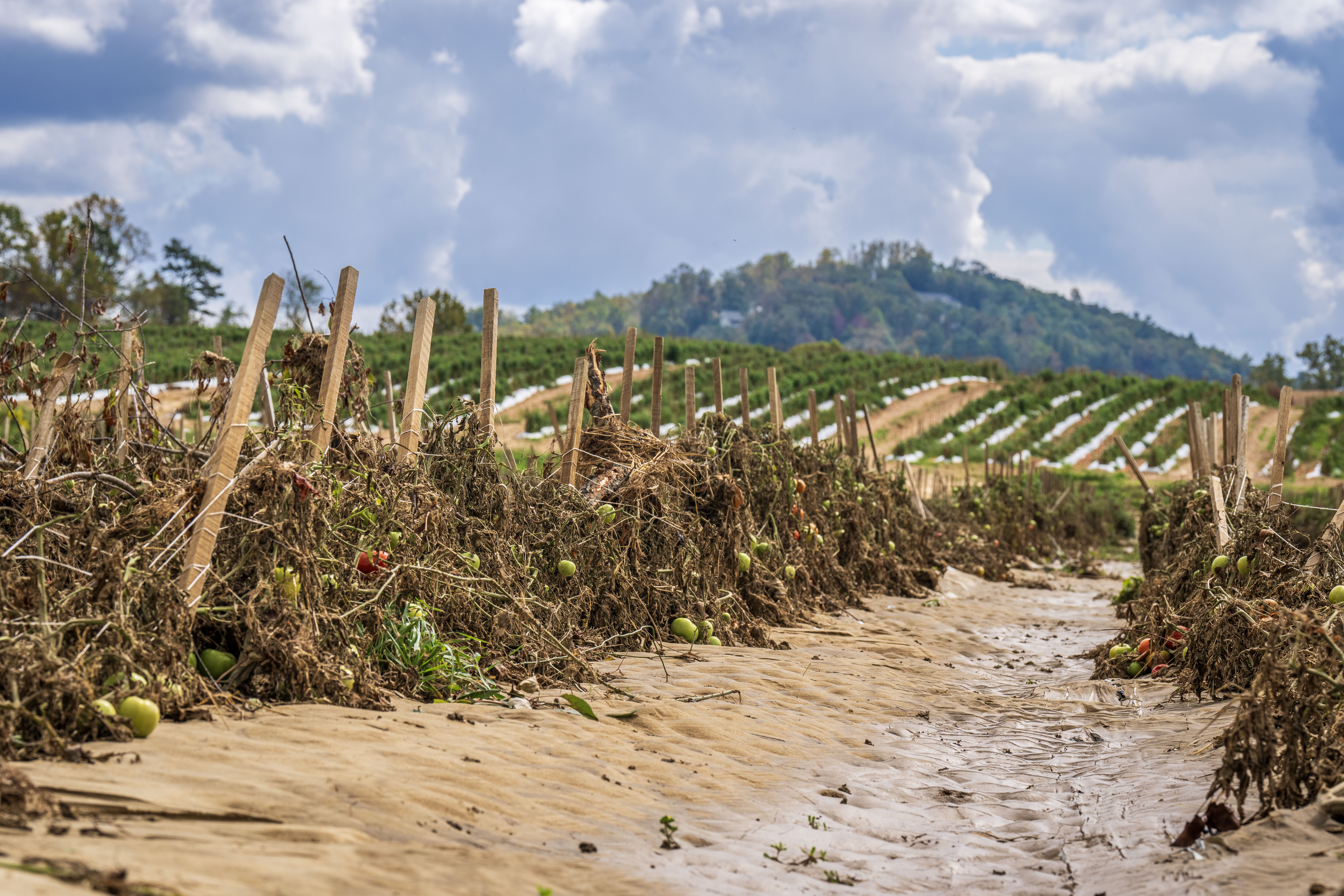
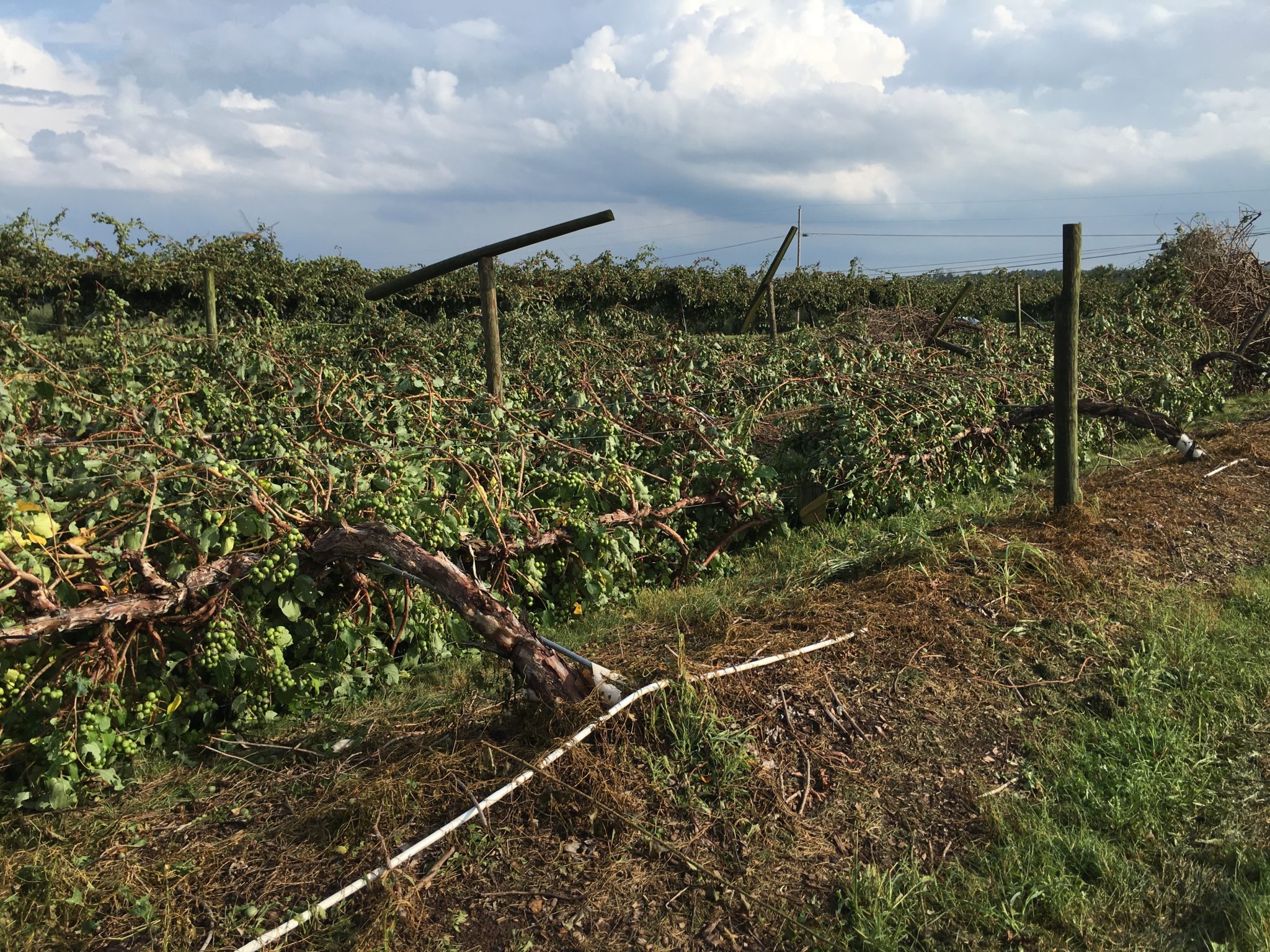
La Nina, a climate phenomenon characterized by cooler-than-average sea surface temperatures in the Pacific Ocean, significantly affects Indian agriculture. La Nina has different effects. It brings cooler sea surface temperatures, leading to increased rainfall in certain parts of India. While this can be good for agriculture and water availability, excessive rainfall may lead to flooding and related issues. During La Nina events, India experiences varied weather patterns, including increased rainfall in some regions and droughts in others. Excessive rainfall brought on by La Nina can cause flooding, waterlogging, and soil erosion in certain parts of India, damaging crops like rice, sugarcane, and cotton. Again, regions experiencing La Nina-induced droughts face water scarcity, negatively impacting crop yields and agricultural productivity. These extreme weather conditions disrupt planting and harvesting schedules, leading to reduced crop outputs and economic losses for farmers. La Nina influences the Indian monsoon, altering its intensity and distribution across the country. This can affect the availability of water for irrigation, which is crucial for sustaining agricultural activities, particularly in regions reliant on monsoon rains. La Lina’s impact on Indian agriculture underscores the importance of implementing adaptive strategies and investing in resilient farming practices to mitigate the risks associated with extreme weather events. It highlights the need for timely interventions and support systems to help farmers cope with the challenges posed by erratic weather conditions.
Indian agriculture faces significant vulnerability to climate change due to several interconnected factors. A substantial portion of agricultural land in India relies heavily on rainfall for irrigation, rendering it highly susceptible to alterations in precipitation patterns. Shifts such as erratic rainfall, prolonged droughts, and intense floods disrupt crop cycles, leading to reduced yields and economic losses. Compounding this vulnerability is the dependence on traditional farming practices across many regions of India, coupled with limited access to modern technology and resources for adaptation. Consequently, the agricultural sector’s capacity to effectively respond to changing climate conditions is constrained. Rising temperatures and evolving weather patterns contribute to the proliferation of pests and diseases, posing additional threats to crop health and productivity. The majority of Indian farmers operate on small scales with limited resources, exposing their vulnerability to climate-related risks. Altogether, these factors underscore the urgent need for comprehensive strategies and investments to enhance the resilience of Indian agriculture to the impacts of climate change. According to the IPCC report, every 1 degree Celsius increase reduces rice and wheat production by 4-5 million metric tonnes. Lose only 1-2 million metric tonnes if farmers could plant in time. Increasing sea and river water temperatures are likely to affect fish breeding, migration, and harvests.
To mitigate the impacts of climate change and weather variability on Indian agriculture, a combination of policy and technological measures is essential. Policy interventions should focus on promoting sustainable agricultural practices, enhancing water management systems, and providing financial support to farmers for climate-resilient infrastructure and crop diversification. Additionally, investment in research and development of drought-resistant crop varieties, climate-smart crops, and innovative farming techniques can bolster resilience. Adopting precision agriculture technologies, such as satellite imaging and remote sensing, aids in efficient resource utilisation and weather forecasting, enabling farmers to make informed decisions. Promoting renewable energy sources and reducing greenhouse gas emissions from agriculture are crucial aspects of climate change mitigation efforts. Collaborative initiatives involving government agencies, research institutions, and the private sector are necessary to implement these measures effectively and ensure the long-term sustainability of Indian agriculture in the face of climate challenges.
In conclusion, La Nina significantly impacts Indian agriculture, leading to erratic weather patterns, including floods and droughts. These extremes disrupt crop cycles, reduce yields, and pose economic challenges for farmers. To mitigate La Nina’s effects, proactive measures such as adaptive farming practices, resilient infrastructure, and enhanced water management systems are crucial. Additionally, investing in research and technology for weather forecasting and crop diversification can help build resilience. Collaborative efforts are essential to safeguarding Indian agriculture from the impacts of La Nina.
Source - https://www.sentinelassam.com