Indonesia's shrimp industry suffering after radioactive case, association says

05.10.2025 484 views

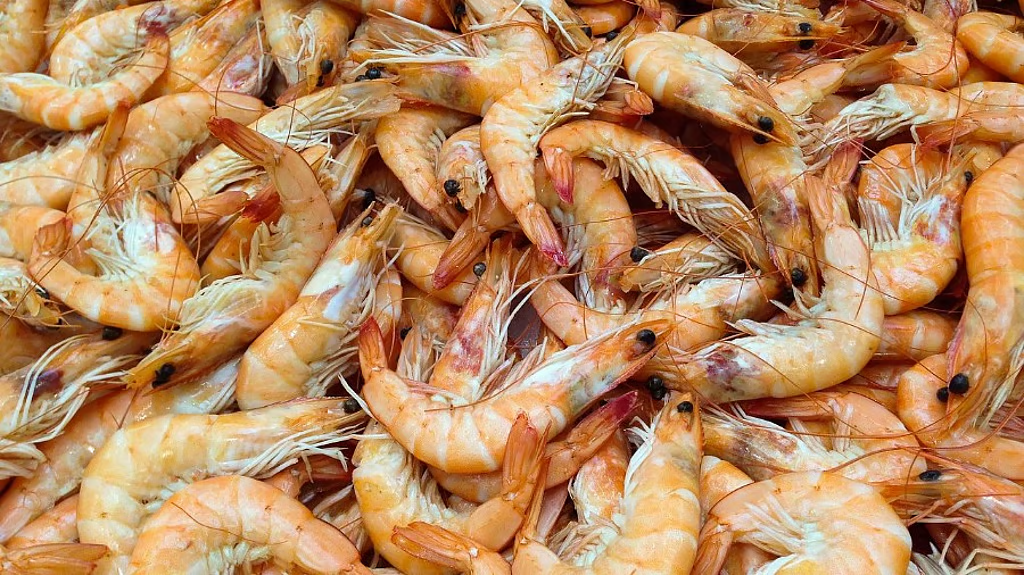
Indonesia's shrimp industry suffered a 30-35 per cent drop in processing absorption after a radioactive contamination was detected in a batch of shrimp shipped to the US in August, the country's shrimp farmers' association said on Friday.

The shrimp was processed at an industrial estate near Jakarta that was later found to be contaminated with of Cesium 137 and the Southeast Asian nation's nuclear agency is seeking to pinpoint the size of the area affected.

Indonesia is the world's fifth largest shrimp exporter, accounting for six per cent of global exports. About two-thirds of its exports go to the United States.

While the radioactive finding was in just one shrimp consignment from one company, Bahari Makmur Sejati (BMS), US and other foreign buyers are now waiting to determine whether all shrimp from Indonesia is safe, said Andi Tamsil, the head of Indonesia's shrimp farmers' association.

Prices have fallen by up to 35 per cent in several regions, he said.

"Since BMS was added to the US Food and Drug Administration's red list, shrimp absorption from farmers has decreased by around 30 to 35 per cent," Tamsil told Reuters.

In 2024, Indonesia exported about 215,000 tonnes of shrimp, valued at about $1.7 billion, according to government data. The US is the main market for Indonesian shrimp, accounting for 63.7 per cent of the total exports, followed by Japan.

"If this continues, millions of households that depend on this industry from upstream to downstream are at risk of losing their jobs," Tamsil said.

The shrimp industry had become the victim of negligence and the incident had shaken public confidence, he added. "This fatal mistake has caused the US to question the safety of our food."

Indonesia established a task force after the US FDA issued an advisory to American consumers, distributors and sellers not to eat, sell or serve frozen shrimp imported by BMS, doing business as BMS Foods, after their products were associated with Cesium 137 contamination.

So far, the US FDA has listed 10 brands associated with BMS.

Cesium 137 is present in the environment mainly from past nuclear testing or accidents, like Chernobyl and Fukushima, according to the FDA's website.


Source - https://www.bairdmaritime.com

23.08.2026

USA - Pennsylvania Opens $10M Aid Program for Freeze-Hit Growers

Pennsylvania will open a $10 million disaster-relief program Aug. 24 for fruit growers facing an estimated $150 million to $200 million in losses from a spring freeze, Gov. Josh Shapiro reported Thursday during a visit to an Adams County orchard.

23.08.2026

A year of change in Polish agriculture

Minister Krajewski highlights support for farmers and stronger agricultural resilience.

23.08.2026

Nepal - Hunting permits issued to protect crops from wildlife in Arghakhanchi

Amid growing damage to crops and increasing human-wildlife conflict, a system allowing the legal hunting of certain wild animals has been introduced in Arghakhanchi.

23.08.2026

Spain - Barrachina highlights 35.3 million in agricultural insurance for 21,000 professionals in the field

The Generalitat allocates 35.3 million to agricultural insurance in the Valencian Community to support 21,000 farmers and ranchers against increasing risks.

23.08.2026

India - Sodiem locals seek FIR against WRD over paddy crop damage

The Siolim-Sodiem gram sabha on Sunday resolved to initiate criminal action against the Water Resources Department (WRD) over damage to ready-to-harvest paddy crops allegedly caused by leakage and seepage from the Tillari canal.

23.08.2026

India - Bhilwara farmers face crop loss as yellow mosaic virus hits pulses

Farmers in Bhilwara district are in distress due to an outbreak of yellow mosaic, commonly known as yellow disease, affecting their pulse crops. 

20.08.2026

Philippines - Farm damage from ‘habagat’ and serial storms hits ₱1.7B

The agricultural damage caused by the recent typhoons has soared to more than P1.7 billion, affecting over 50,000 farmers and fisherfolk, according to the Department of Agriculture (DA).

20.08.2026

India - Tech Guard For Farms: MIT Muzaffarpur Students Develop AI Device To Protect Crops From Nilgai

For years, farmers in Bihar have relied on scarecrows, fencing and constant vigilance to protect their crops from nilgai, wild animals and birds. But these measures often lose their effectiveness as animals gradually learn to ignore them.