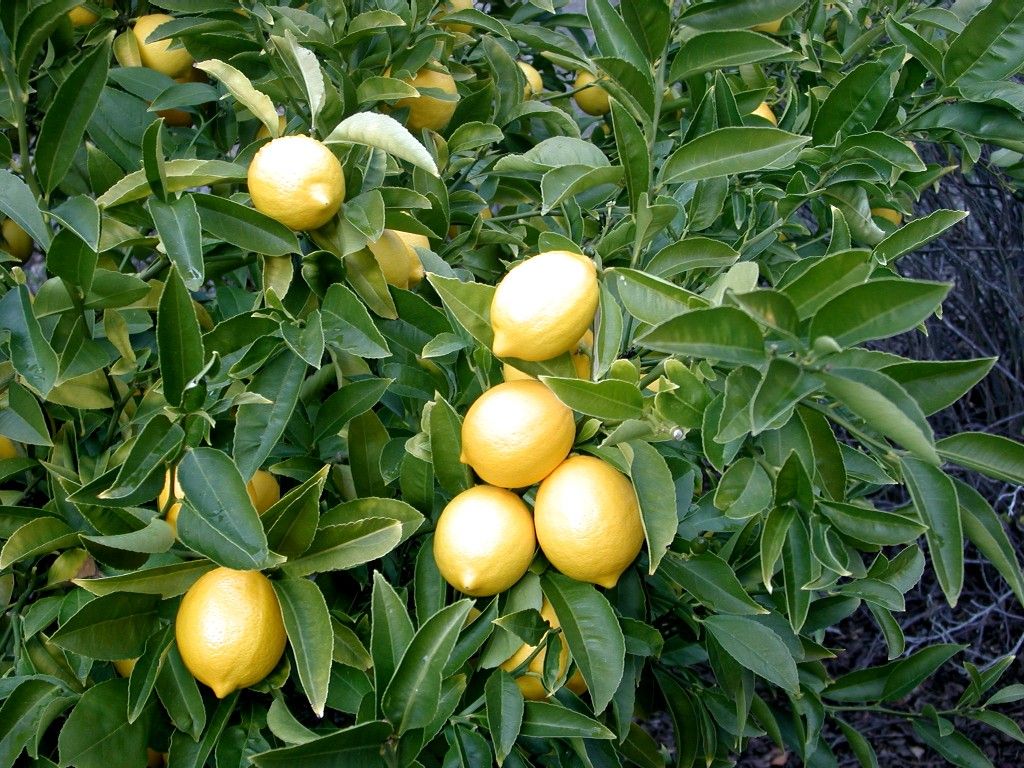
"Based on the data at hand, Sicily's current lemon campaign is the worst of the last few years. It was an annus horribilis. This is due to several factors," says Carmelo Micale, president of the OP Consorzio APAM in Torrenova (ME).
In Syracuse, where the prized PGI lemons are grown, the situation looks serious," stresses the president. The market is slowing down and, at the same time, between 30 and 40 percent of the production has not yet been harvested. Unfortunately, both the overproduction of lemons of Spanish origin and the general fall in consumption of fruit and vegetables, as well as the reduction in commercial outlets due to the continuing wars, have had an impact on the prices of the local product and, in general, on the market demand."
The growers' organization OP Consorzio APAM has 257 members and about 1,550 hectares of land dedicated to the production of citrus fruits and vegetables. Half of the land is used to produce organic products. The production area is in Sicily, in the three provinces of Messina, Siracusa and Catania. The organization is firmly anchored in the area, thanks to the creation of a true synergy between the actors of the supply chain, from the cultivation and production of the fruit in the fields to its positioning on the markets.
Among other varieties of lemons, the Consortium also grows and sells the PGI Syracuse Lemon of the Femminello variety, a citrus fruit recognized for its high nutritional value, which makes it very popular with retailers. The Consortium also produces and grows Navel, Tarocco, Ovale and Valencia varieties of oranges, mandarins, clementines and kumquats. Demeter, Biosuisse and Naturland certified products represent a growing trend in the controlled supply chain sector.
The blonde late orange campaign is going much better than the lemon campaign," explains Carmelo Micale. Now that the red-fleshed campaign is over, we have started with the Ovale and Valencia varieties. The size, as you know, is medium-small due to the prolonged drought, so prices in the campaign are around 0.60-0.65 euros per kilo for the larger sizes.
The Valencia and the Ovale Valle Dell'Anapo are two late oranges with blond flesh; the Valencia seems to be the most popular. The fruit is generally medium-sized, mostly spherical, with a medium-thick, resistant rind. Its flesh is orange in color. The high juice yield is remarkable, making this citrus fruit ideal for juicing, thanks to its distinct sweet flavor, which is particularly pleasing to the palate.
"The Costa Tramontana lemon, the flagship of our production, is a highly prized early citrus fruit. We have set up a promotion committee for this product, made up of local citrus growers, with the aim of obtaining a Protected Geographical Indication (PGI). It is a natural fruit, grown with the utmost respect for the environment, with a short and traceable supply chain that generates and redistributes value throughout the production process. No treatments are used, not only for the certified organic product, but often also for the conventional production - to protect the health of the consumer - so that the result is a lemon with an edible, good and environmentally friendly peel."
The 'Limone Costa Tramontana' refers to varieties of the Femminello cultivar, grown in the sub-mountainous area of the Ionian coast of Messina (Italy), between the Gulf of Milazzo and the Fiumara di Tusa.
The aim of the APAM OP Consortium, with a view to the next commercial campaign, is to consolidate its presence and competitiveness on the Italian and foreign markets, where it is present in the large-scale retail sector. This is a market which is more and more demanding and keen to be supplied with healthy, certified products with a short production chain. In addition, customers are becoming more and more aware of the environmental impact of their purchases and are asking for products to be packaged in cellulose mesh, which is biodegradable and compostable, making it an eco-sustainable alternative to traditional plastic packaging.
Source - https://www.freshplaza.com