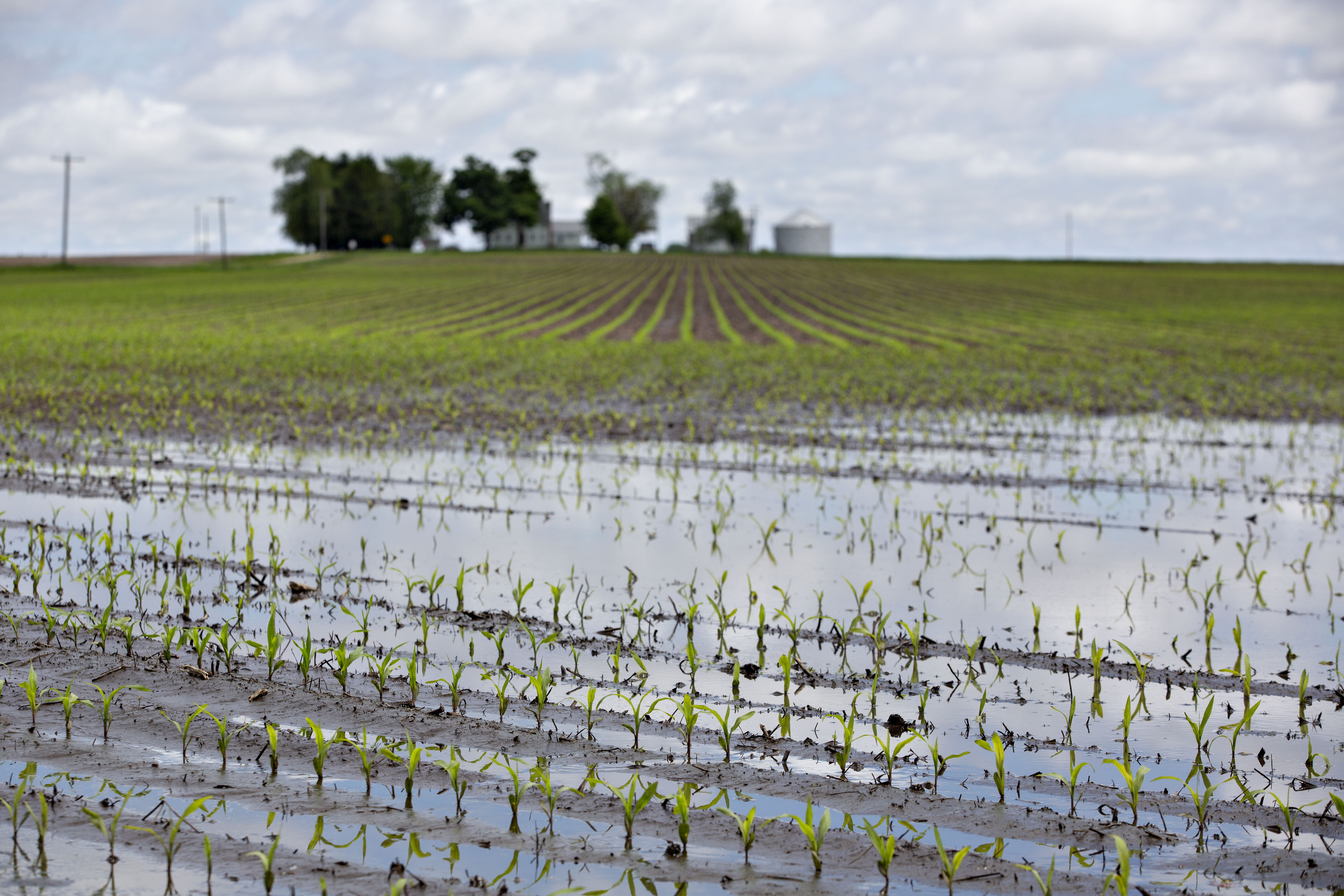
Kenya has been grappling with heavy rainfall and numerous floods since March. This has also had significant repercussions for the fruit and vegetable (F&V) exports from the East African country. Belgian company Starfruit, which deals with peas and beans from Kenya throughout the year, has also seen only a fraction of the 'normal' volumes arriving due to the massive water damage. "The news has been pushed to the background lately, as there's been a lot of other news. Customers are sometimes surprised when we explain why the prices are currently so high," says Ive Lambert from the Flemish importer.
Entire villages are submerged, homes destroyed, and food supplies washed away, as reported by the Red Cross. "What they have experienced in Kenya in the past weeks is also unprecedented for them, as we understand," Ive continues. "It's more than double a normal rainy season. We see images of entire airports covered with 30 cm of water across their surfaces. That tells you enough. It also means that we are operating with only about 15 to 20 percent of the normal volumes. It's really pitifully low."
"This applies to the peas, but also to the beans. It's a bit less severe for the latter, as they are less sensitive to rain than peas. Moreover, you also have Egypt and Morocco in the market. Even with peas, we see that Zimbabwe is now coming in with its new harvest. However, production there is also delayed because they've had more rain than usual. It's not as exceptional as in Kenya, but we can certainly say the market is disrupted. They can absorb some of it, but these are volumes we also get in other years, so there remains a significant shortage."
And the trader sees this situation continuing for the coming weeks. "This situation naturally has its consequences for the supply at the moment, but also in the coming weeks to months they will continue to see the effects. When it rains this hard, you can't plant either, so the problem will drag on for a few months. Nobody is happy about this, but let's say that it's terrible for the people there. It hasn't even made the news in many cases, but it's really a disaster," concludes Ive.
Legume prices quintupled in Germany
In Kenya, heavy rainfall and floods have resulted in 228 deaths. More than 220,000 people have been affected, and Cyclone "Hidaya" is approaching. The natural disaster has already caused severe damage in large parts of the East African Republic, especially to the horticulture sector, affecting exports, for example, to Germany.
Limited availability of legumes
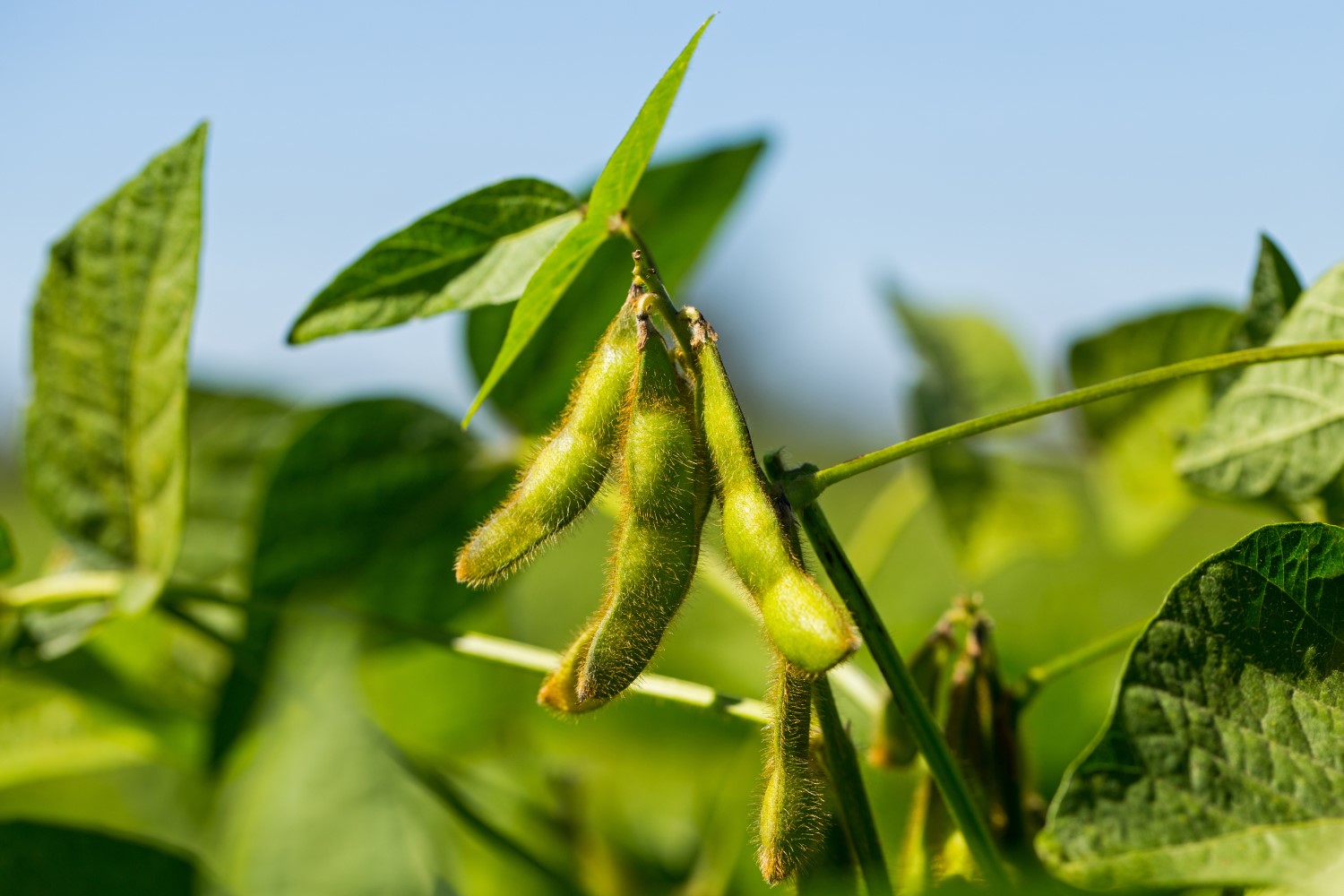
The severely affected region around Mount Kenya, in the heart of Kenya, is known as the main cultivation area for sugar peas and chickpeas, which are exported to Europe around this time of the year, namely April and May. "The flood hit us full force," reports Bertrand Sabadie of Elbefruit, based in Hamburg. "Due to the poor quality and the residue problem, we currently have very little export product available. Overall, the volume of our contract cultivation has dropped by as much as 70%."
The situation accordingly affects the price level of both products, Sabadie continues. "Prices have skyrocketed in the past three weeks and are still rising. We only expect a slight recovery in the market from the end of week 21, as soon as the first air freight from Peru hits the market, quickly followed by products from Zimbabwe. Overall, the supply situation will definitely remain extremely critical until the end of the month."
The supply situation for air-freighted cut herbs has been fine so far. Philippe Kahn, importer and director of Munich-based Herbafrucht, summarizes that the quality and availability of herbs are still good. "The availability of sugar peas and Kenyan beans, on the other hand, is almost zero. Since the season in Egypt ended a few months ago, there simply are no products available."
Low harvest
Due to the continuous catastrophic rainfall since April, there have been soil erosion and failed harvests, especially in the highlands. In the lower-lying areas, the rains have led to flooding. "The quality of sugar peas and chickpeas, mainly grown in the highland areas, has been severely affected by green and black spot and other fungal diseases. This, in turn, has led to significant losses for local growers, as they were unable to protect the crops in many places due to the abundant rainfall. Especially the green beans suffered from fungus and the associated quality problems," says Stella Rasmussen, born in Kenya and director of the eponymous company in Meerbusch.
The high costs for crop protection and seeds only make it worse, Stella continues. "Unfortunately, this will lead to especially small-scale growers being increasingly excluded from the chain. The yield, i.e., the ratio of gross yield to packaged and exportable products, shows a strongly declining trend. Normally, the yield for green beans is 70-80% and for sugar peas and chickpeas about 65-70%. Due to the weaker quality, which currently makes up the largest part of the market, this figure has dropped to about 50% for green beans and 30-40% for sugar peas and chickpeas. This means, for example, that an exporter receiving 1,000 kg of raw product can only package and bring to market 500 kg of green beans and 300-400 kg of chickpeas and sugar peas. This is also reflected in the prices: overall, prices in the entire legume category have quintupled in a very short time."
Source - https://www.freshplaza.com