Low awareness, product gaps limit livestock insurance coverage in India

21.10.2025 173 views

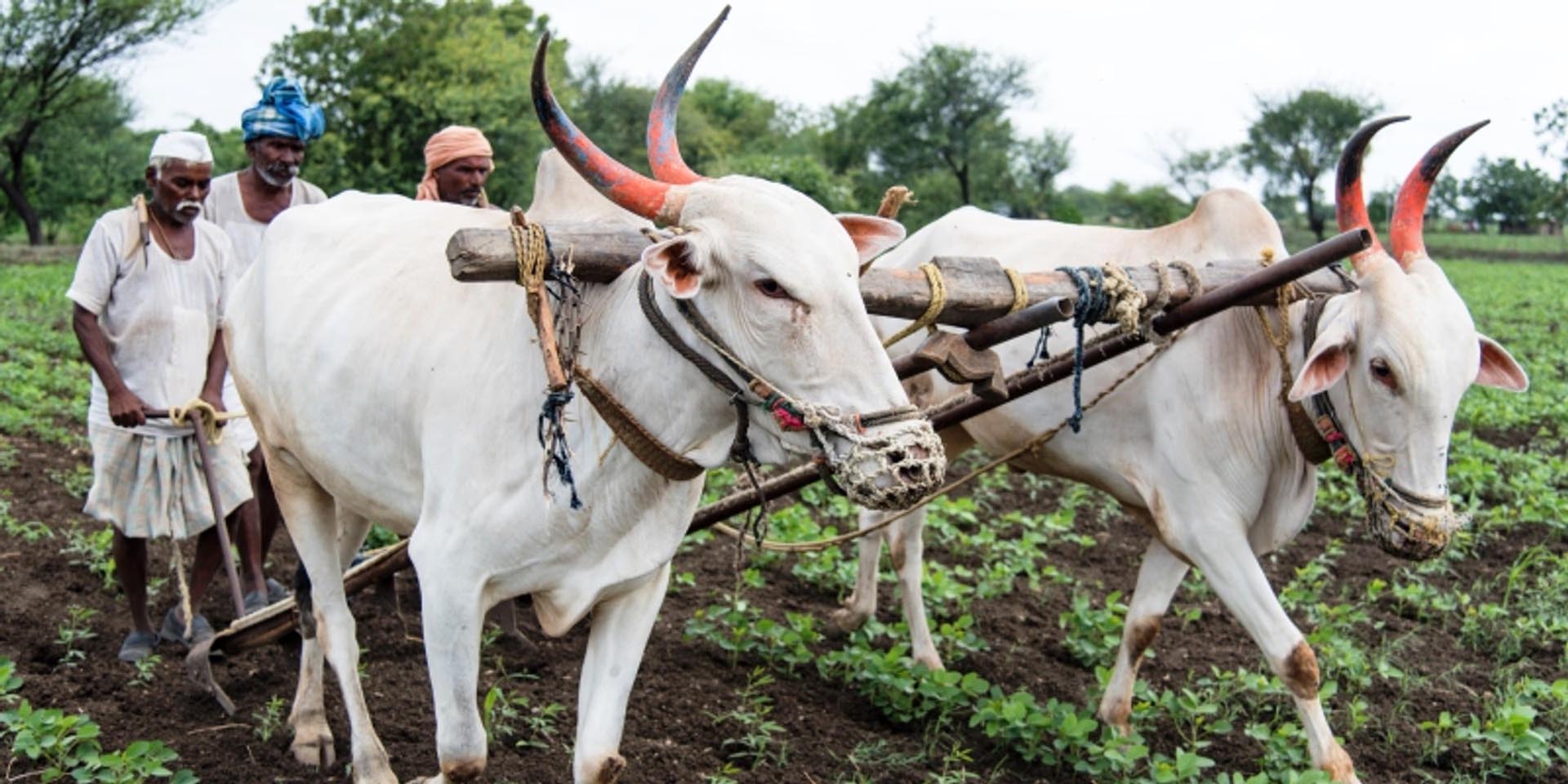
Livestock insurance remains an underutilised safety net for India’s rural households, despite its potential to protect millions of small and marginal farmers from unexpected losses. Limited awareness, low customisation, and rising climate risks continue to expose rural livelihoods to shocks.

“Awareness and availability of suitable products is a major challenge,” said Sandeep Katiyar, CFO and Co-Founder of Finhaat.

He pointed out that while every livestock owner should ideally have insurance, much of it today is bundled as an attachment product linked to loans.

“To truly protect rural livelihoods, we need more awareness, easier access, and simple, affordable products especially for smallholders and women farmers who are often left out of the system,” he said.

Current cattle insurance products generally cover only the death of animals. But farmers increasingly face losses from diseases and climate-related factors that traditional policies do not address. For example, while lumpy skin disease (LSD) is covered under some state schemes like Bihar’s Pashu Bima Yojana, broader health risks, productivity losses, and heat stress are largely excluded.

“In their current form, most cattle insurance products are not adaptive enough to address rising risks from climate change,” Katiyar said.

Some pilot projects are testing policies linked to weather parameters such as heatwaves, but such innovations remain limited and unavailable to most.

Premiums for livestock insurance vary by region, breed, and the loan factor. Loan-linked policies typically cost less since they’re bundled and negotiated in bulk with livestock loans, while standalone retail policies tend to have slightly higher premiums due to individual risk assessments.

High-yield or crossbred animals also tend to attract higher premiums than indigenous breeds.

Source - CNBC

25.12.2025

Pangasius welfare initiative set for launch in Vietnam

FAI and Fresh Studio have launched a new partnership to develop and publish Vietnam’s first pangasius welfare assessment protocol, designed to enhance the performance and sustainability of the nation’s aquaculture sector.

25.12.2025

India - TN govt allocates ₹289.63 cr as crop relief for farmers

The Tamil Nadu government has approved ₹289.63 crore in relief funds to help farmers whose crops were damaged by unseasonal rains and severe weather. 

25.12.2025

Mexico Joins FAO Projects to Boost Sustainable Agriculture

Mexico will participate in a new package of projects approved by the UN Food and Agriculture Organization (FAO) aimed at strengthening sustainable agriculture and climate resilience.

25.12.2025

USA - Machinery Costs Highlight Scale Advantages for Crop Farms

Benchmark machinery costs against those of similar-sized, high-performing operations to inform equipment and investment decisions.

25.12.2025

As Bird Flu Pushes Egg Prices Higher, Japan’s Agriculture Ministry Plans Reserves of Frozen Liquid Egg

To brace for potential egg shortages driven by outbreaks of highly pathogenic avian influenza, the Agriculture, Forestry and Fisheries Ministry is moving to expand the use of processed eggs that can be stored for long periods.

25.12.2025

China - Two new high-speed rail lines boost agriculture, industry in Guangdong

Train number G9785 was ready to depart Guangzhou Baiyun Railway Station at 10:30 am on Monday for Zhanjiang in western Guangdong province, marking the official commencement of the newly built Guangzhou-Zhanjiang high-speed railway.

23.12.2025

Sinkholes in Turkey's agricultural heartland fuel farmers' concerns

Hundreds of sinkholes have emerged in Turkey's central agricultural region due to dwindling rainfall and receding groundwaters, causing concern among farmers and environmental experts who see it as a worrying sign of climate change.

23.12.2025

Ghana - Agriculture Minister launches $147.3m PROSPER Project to modernise agriculture, support 420,000 farmers

The Minister for Food and Agriculture, Eric Opoku, has launched a national agricultural intervention project dubbed the Promoting Rural Opportunities, Sustainable Profits and Environmental Resilience (PROSPER) Project, aimed at modernising Ghana’s agricultural sector and improving the livelihoods of about 420,000 beneficiaries across eight regions.