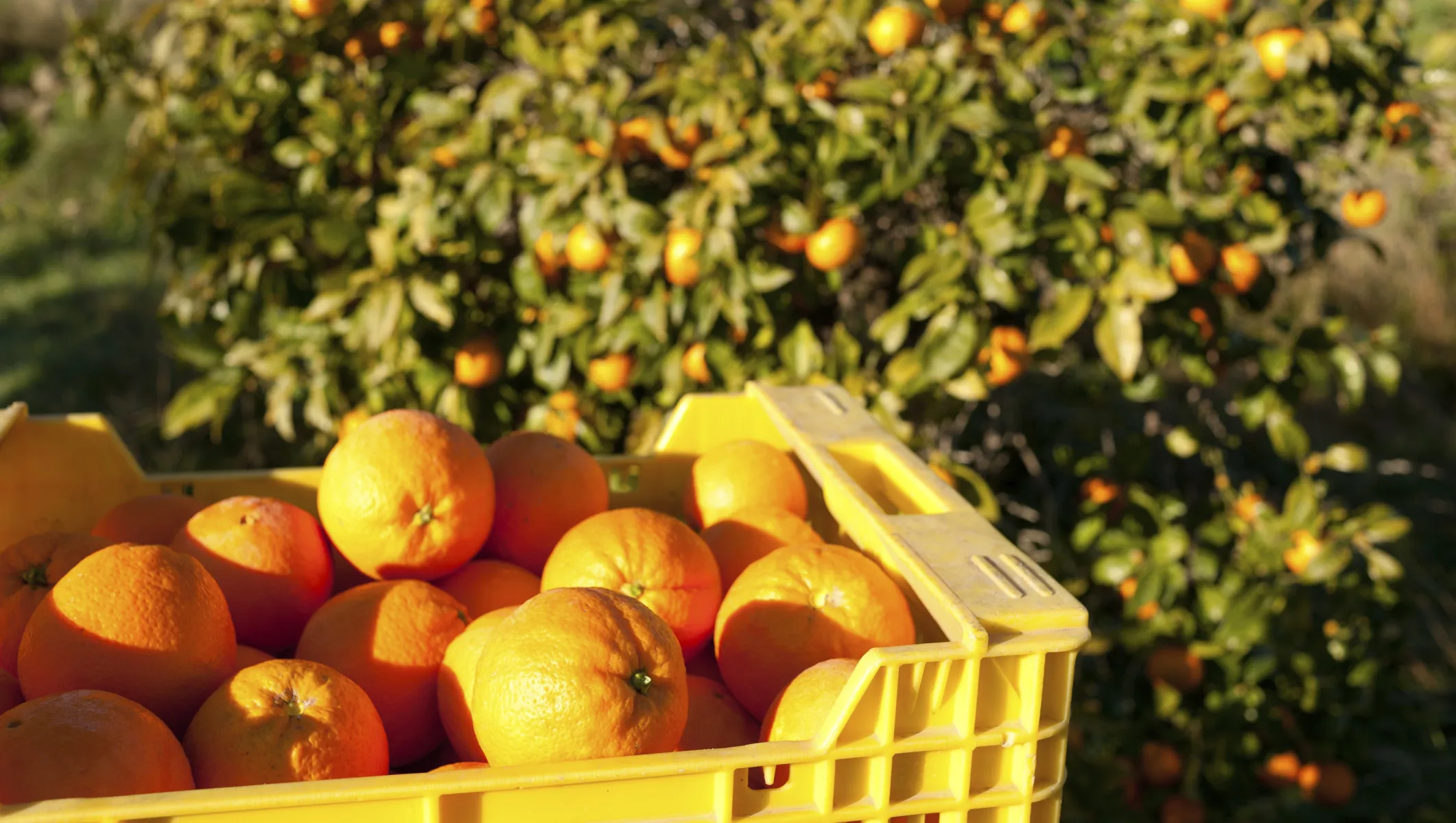
MY2023/2024 will be a weak citrus campaign in terms of yield compared to MY 2021/22

24.06.2024 441 views

Production forecasts for tangerines/mandarins, oranges, lemons, and orange juice remain unchanged from the December 20, 2023 Annual Citrus Report. According to the citrus industry, two consecutive seasons of low production are due to higher temperatures and drought. The extreme heat of summer 2023 negatively impacted flowering, and the lack of rain had severe consequences. The industry describes MY2023/2024 as a weak campaign in terms of yield compared to MY 2021/22. While prices are higher than usual, they do not compensate for the reduced volume, and Post saw ample evidence of abandoned orchards during a recent visit to the Northeast region.

Trade update
Trade numbers have been adjusted down for fresh tangerines/mandarins and oranges in MY 2023/24, based on data received from Morocco's office des changes. Tangerines/mandarins exports were revised down to 400,000 MT, orange exports decreased to 40,000 MT based on trade to date data.

Industry contacts mentioned that the geopolitical events, including the wars in Ukraine and Israel, have led to three major challenges for Moroccan exports: inflation of inputs and logistical costs, the closure of the Suez Canal and blocked access to markets in the Middle East and Asia, and increased competition from Spain, Chile, and Turkey. Chile produces a large volume of clementine and with new late season varieties has an extended its export season, adding to the competitive pressure on Moroccan citrus in the North American market.

Typically, Morocco would enter the market on the North American East Coast in November, but with more late season varieties, Chile has cut into these exports. For orange exports, Moroccan exporters are facing significant competition from Egypt. This season, production is declining, and prices are high in the local market, leading exporters to prefer selling more domestically.

Source - https://www.freshplaza.com

22.04.2026

Bangladesh - PM rolls out master plans for 'smart agriculture'

Technology-driven modern farming is in sight in Bangladesh as Prime Minister Tarique Rahman Wednesday unveiled a set of master plans to implement "smart agriculture" initiatives for boosting agricultural production, diversifying farm products and addressing climate-change impacts.

22.04.2026

USA - Capital Farm Credit acquires Ag Crop Insurance Agency

In an effort to provide the best risk protection for ag producers in the High Plains region of Texas, Capital Farm Credit has acquired Ag Crop Insurance Agency.  

22.04.2026

Ukraine - Kherson Farmers Awarded 237.5 Million Hryvnias for Damaged Crops

According to Мін. Економіки: Agricultural producers in the Kherson region have received a total of 237.5 million hryvnias in compensation for crop damage. 

22.04.2026

USA - Game Commission Expands Crop Damage Programs

The Pennsylvania Game Commission took action to further address crop damage issues during its quarterly meeting on April 11.

22.04.2026

India - Unseasonal rains damage crops, farmers stage rasta-roko in Chegunta

Farmers in Chegunta mandal of Medak district blocked a road demanding compensation for crops damaged by unseasonal rains and gales. Officials reported damage to over 4,700 acres of paddy, while concerns remain over further losses due to predicted rainfall.

22.04.2026

Bangladesh - 2,483 farmers in Barguna get crop security insurance money

The insurance claim payment process has been completed among farmers who have taken crop safety insurance under Aman Product-2025 in the coastal district of Barguna. Out of a total of 3,324 insured farmers, 2,483 farmers have received insurance benefits worth about 1.1 million taka.

21.04.2026

New Zealand kiwifruit crop avoids major cyclone damage

Kiwifruit growers in New Zealand appear to have avoided a major impact from Cyclone Vaianu, which hit the east coast of the North Island this month. 

21.04.2026

Africa achieves first gene-edited grapevine using CRISPR for disease resistance, drought tolerance

A resistant grapevine reduces chemical input costs and crop loss.