Food security is a pressing concern for many countries, including Malaysia, where the stability, accessibility, and quality of food sources are critical for national well-being. The advent of Generative Artificial Intelligence (Gen AI) promises significant advancements in the agricultural sector, providing innovative solutions to the challenges faced by the industry. This discussion explores the importance of gen AI in bolstering food security in Malaysia, highlighting its potential impacts on sustainability, economic pressures, and overall agricultural productivity.
Enhancing Sustainability in Agriculture
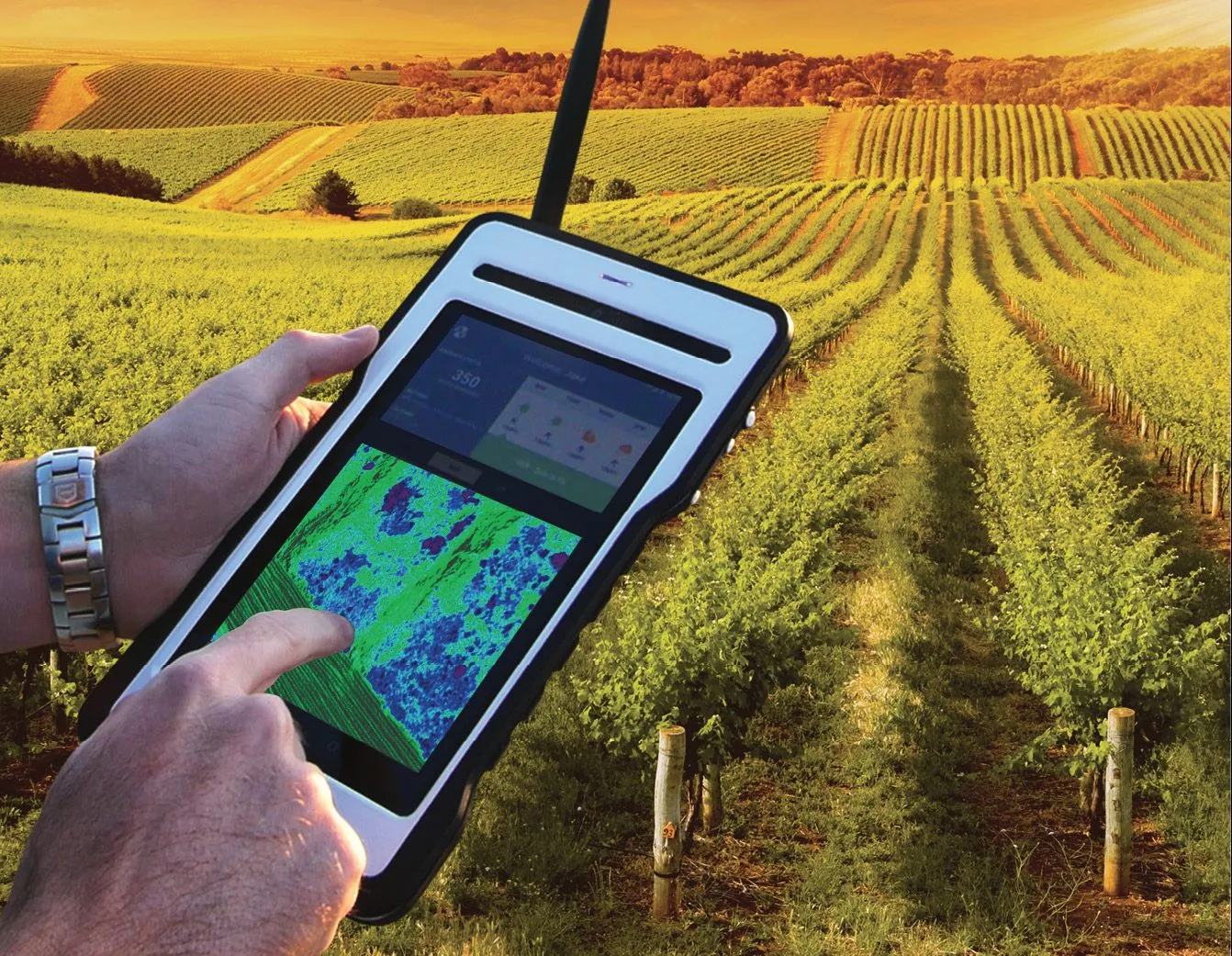
Gen AI can optimize the use of inputs such as water, fertilizers, and pesticides. In Malaysia, where agriculture is a vital part of the economy, efficient resource management is crucial. Gen AI systems can analyse vast amounts of data from sensors and weather forecasts to determine the precise amount of water and nutrients needed for different crops. This precision agriculture reduces wastage, lowers costs, and minimizes environmental impacts, leading to more sustainable farming practices. By ensuring that resources are used efficiently, gen AI helps maintain soil health and water quality, which are essential for long-term agricultural productivity.
Addressing Economic Pressures
Agricultural businesses in Malaysia face significant economic pressures, including fluctuating market prices, labour shortages, and increasing operational costs. Gen AI can alleviate these pressures by streamlining various processes. For instance, AI-driven automation can handle repetitive tasks such as planting, weeding, and harvesting, reducing the reliance on manual labour.
This not only cuts costs but also addresses labour shortages, a common issue in Malaysia’s agricultural sector. Moreover, gen AI can predict market trends and optimize supply chains, helping farmers and businesses make informed decisions to maximize profits and minimize losses.
Improving Crop Resilience
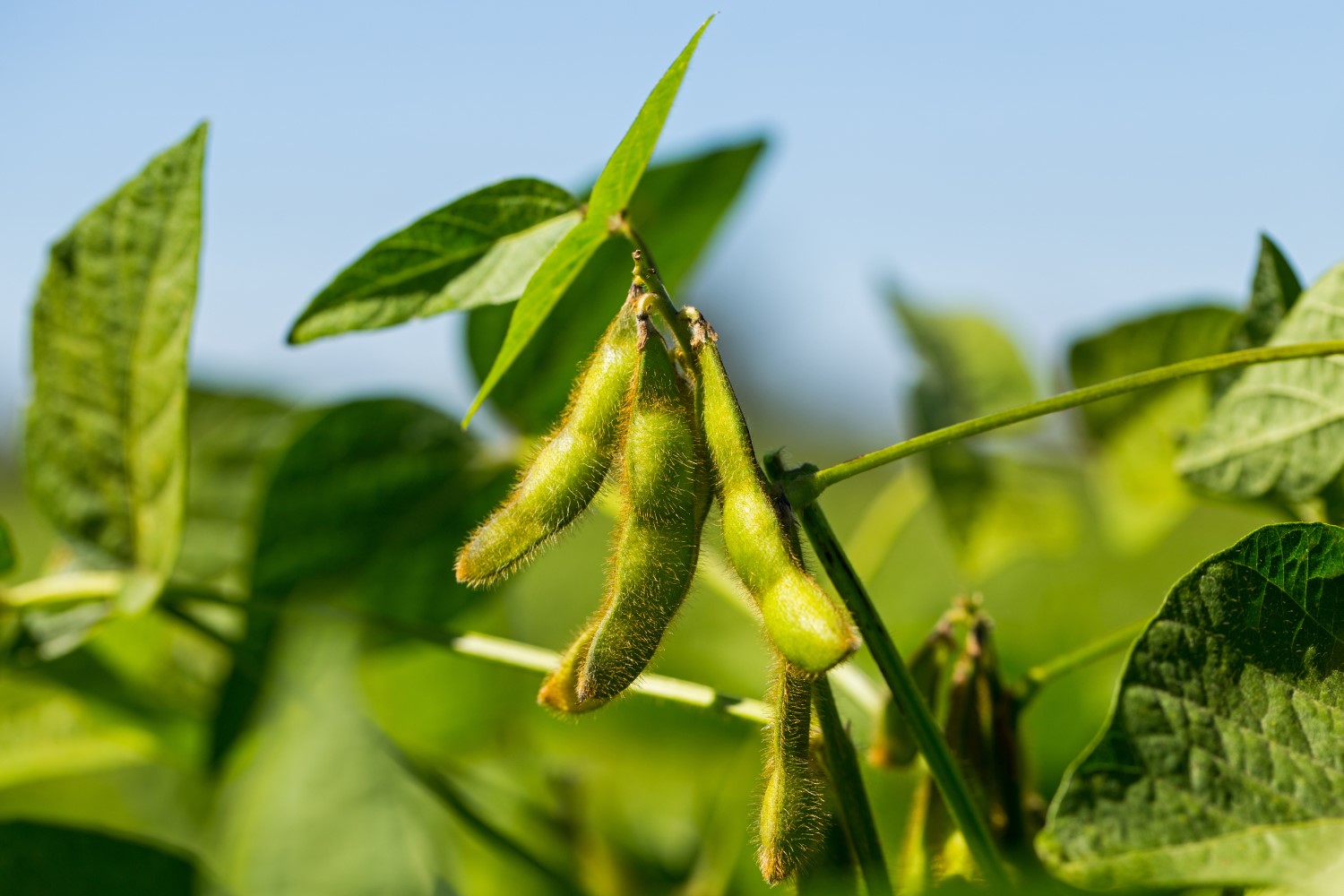
One of the most promising applications of gen AI is in enhancing the resilience of crops. Malaysia’s agriculture is frequently challenged by pests, diseases, and extreme weather conditions. Through advanced research and development, gen AI can create crop varieties that are more resistant to these adversities.
For example, by analysing genetic data, AI can identify traits that confer drought resistance or pest tolerance, enabling the development of hardier crops. These improvements ensure more consistent yields and reduce the risk of crop failures, thereby enhancing food security.
Boosting Productivity and Efficiency
Gen AI can significantly boost agricultural productivity by optimizing various stages of the farming process. AI-powered tools can provide real-time insights into crop health, soil conditions, and weather patterns, enabling farmers to take proactive measures.
For example, AI can detect early signs of disease in plants, allowing for timely intervention and preventing widespread crop loss. Additionally, AI can optimize planting schedules and crop rotations based on predictive analytics, ensuring that land use is maximized and yields are optimized. These advancements lead to higher productivity and contribute to a stable food supply.
The economic potential of gen AI in agriculture is immense. According to estimates, gen AI can create $100 billion in value by optimizing input usage and managing labour more efficiently. At the enterprise level, gen AI’s impact is even more pronounced, with an estimated $150 billion in value creation through enhanced research and development. For Malaysia, leveraging this technology could translate into significant economic gains, strengthening the agricultural sector and contributing to overall economic growth.
Building a Robust Data Foundation
To fully harness the potential of gen AI, Malaysian agricultural businesses must invest in building a robust data foundation. This involves collecting and integrating data from various sources, including sensors, satellite imagery, and historical records. A comprehensive data infrastructure enables more accurate predictions and insights, facilitating better decision-making. Moreover, fostering a culture of experimentation and learning is essential. Agricultural businesses should be encouraged to adopt a mindset of continuous improvement, experimenting with new AI-driven techniques and learning from the outcomes to refine their practices.
Developing Skilled Talent
The successful implementation of gen AI in agriculture requires a workforce equipped with the necessary skills. Malaysia must invest in education and training programs to develop talent in fields such as data science, machine learning, and agronomy. By equipping the workforce with these skills, the agricultural sector can effectively utilize gen AI technologies to drive innovation and efficiency.
In summary, gen AI holds tremendous potential to revolutionize agriculture in Malaysia, addressing key challenges related to sustainability, economic pressures, and productivity. By optimizing resource use, enhancing crop resilience, and improving operational efficiency, gen AI can significantly bolster food security. To fully realize these benefits, Malaysia must invest in building a robust data foundation, fostering a culture of experimentation, and developing skilled talent. Embracing gen AI in agriculture is not just an opportunity but a necessity for ensuring a sustainable and secure food future for Malaysia.
Source - https://www.eurasiareview.com