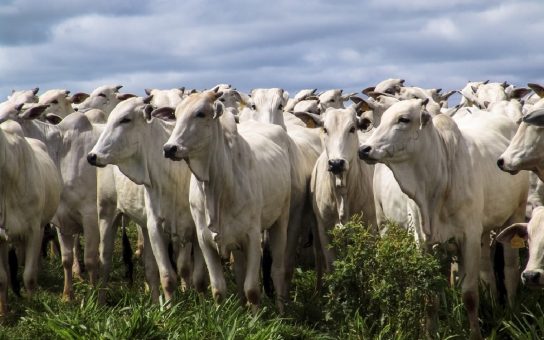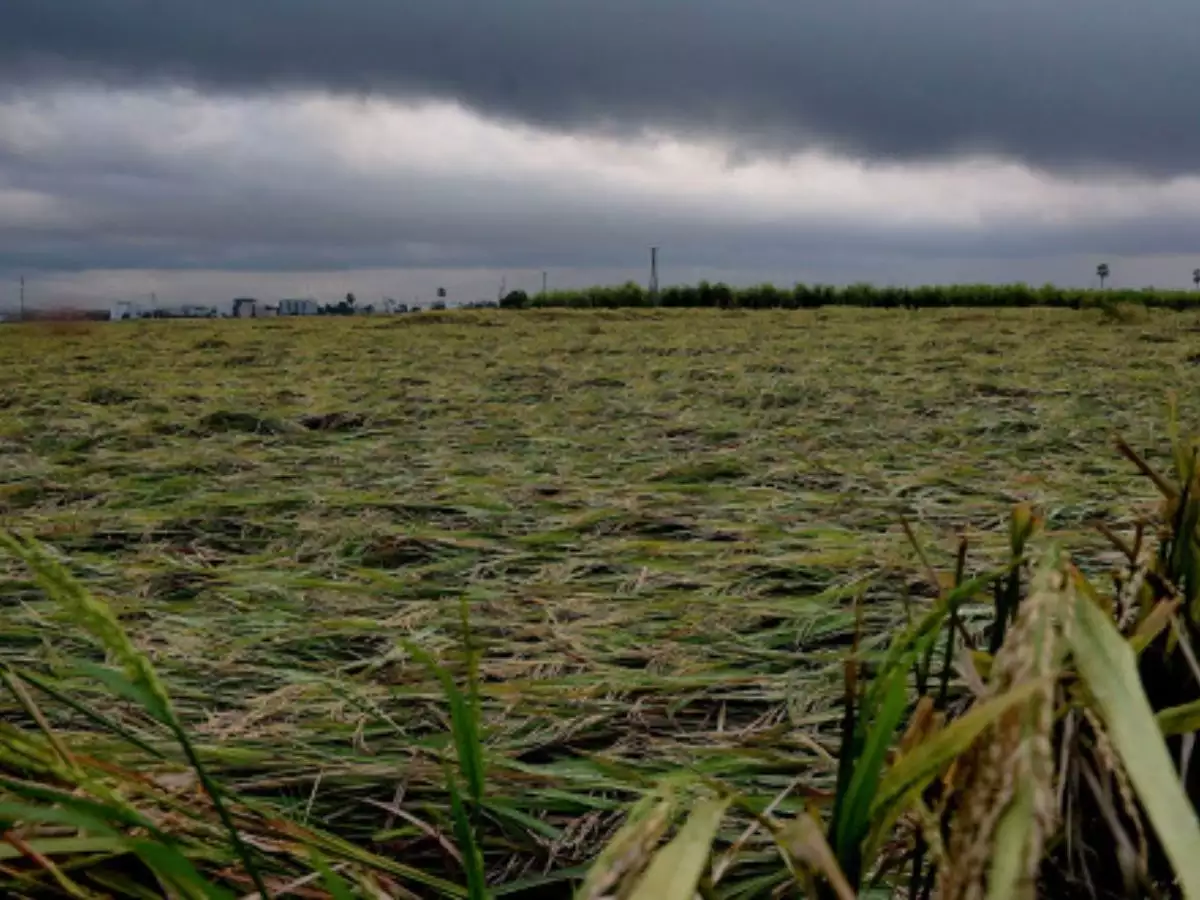
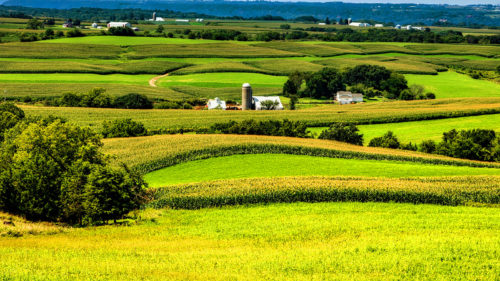
Moldova is building a satellite-backed climate risk system to protect farms from worsening droughts and heatwaves, as subsidized insurance covers just 1.7% of the country's agricultural land.
Only about 31,000 hectares were insured in 2024, according to the Ministry of Agriculture and Food Industry. The low uptake persists even though a 2020 law allows the state to subsidize up to 70% of agricultural insurance premiums.
Experts say responsibility for managing extreme weather must be shared among farmers, the state and insurers, shifting the focus from post-disaster payouts to prevention.
Weather risks outpace market tools
Moldovan farmers have developed ways to manage price volatility, including borrowing to build grain storage so they can avoid selling harvests at peak supply, said Sergiu Veșca, executive director of the National Farmers Federation. Extreme weather, however, remains beyond their control.
“The risks we cannot take on today are climate risks,” Veșca said in an interview on Radio Moldova's Zi de Zi program. “Because the climate does not depend on farmers, we cannot influence whether it rains or not, or whether temperatures are higher or lower. When we need rain, it does not rain, and when we do not need it, it rains and damages production.”
Options for overhauling farm insurance
While drought remains a primary threat, rising heatwaves are increasingly straining both crops and livestock, according to professor and researcher Jean Cordier. He said Moldova could examine several ways to restructure agricultural risk management, including strengthening cooperation among insurers, establishing a mutual fund to replace traditional policies, or building a collective risk-sharing model.
Cordier urged authorities to involve producers directly in designing the framework.
“A better option would be to give farmers a voice so they can say how they want to manage risks collectively,” Cordier suggested. “One scenario involves cooperation among all actors in the sector: farmers, who have specific needs; insurers, who hold the required expertise; and the ministry, which can oversee the creation of an efficient system.”
Satellite alerts and soil conservation by 2030
In parallel, the Ministry of Agriculture and Food Industry is drafting a three-year National Agricultural Resilience Program structured around four strategic priorities, with an emphasis on forecasting, prevention and farm preparedness.
State Secretary Andrian Digolean said the current insurance market is strained on both sides: small and medium-sized farmers view policies as too expensive, while insurers struggle to manage portfolios and assess climate risks. To close the data gap, authorities are building a joint monitoring system powered by satellite data from the EU's Copernicus program.
“We are creating an inter-institutional mechanism to monitor climate risks and farm resilience,” Digolean said. “We are using Copernicus satellite data, a digital agrometeorological system and modern indicators for drought and heat stress. Our goal is that by 2030, the country's entire agricultural area is covered by digital agrometeorological information and early warnings.”
The ministry is also expanding its administration and control tools, combining the newly launched Farmers' Register with a Land Parcel Identification System (LPIS). Local governments will be brought into the effort as well.
“City halls and communities must have local adaptation plans, because water erosion and shelterbelts do not stop at municipal borders,” Digolean noted.
To curb crop losses at the field level, the program promotes conservation agriculture, including no-till and strip-till techniques that minimize soil disturbance and maintain permanent ground cover.
“The best payout is the one that never has to be made,” Digolean said.
Source - https://moldova1.md