Record rains from hyper El Niño destroy 35.4% of Jeju bean crops; government declares agricultural disaster.
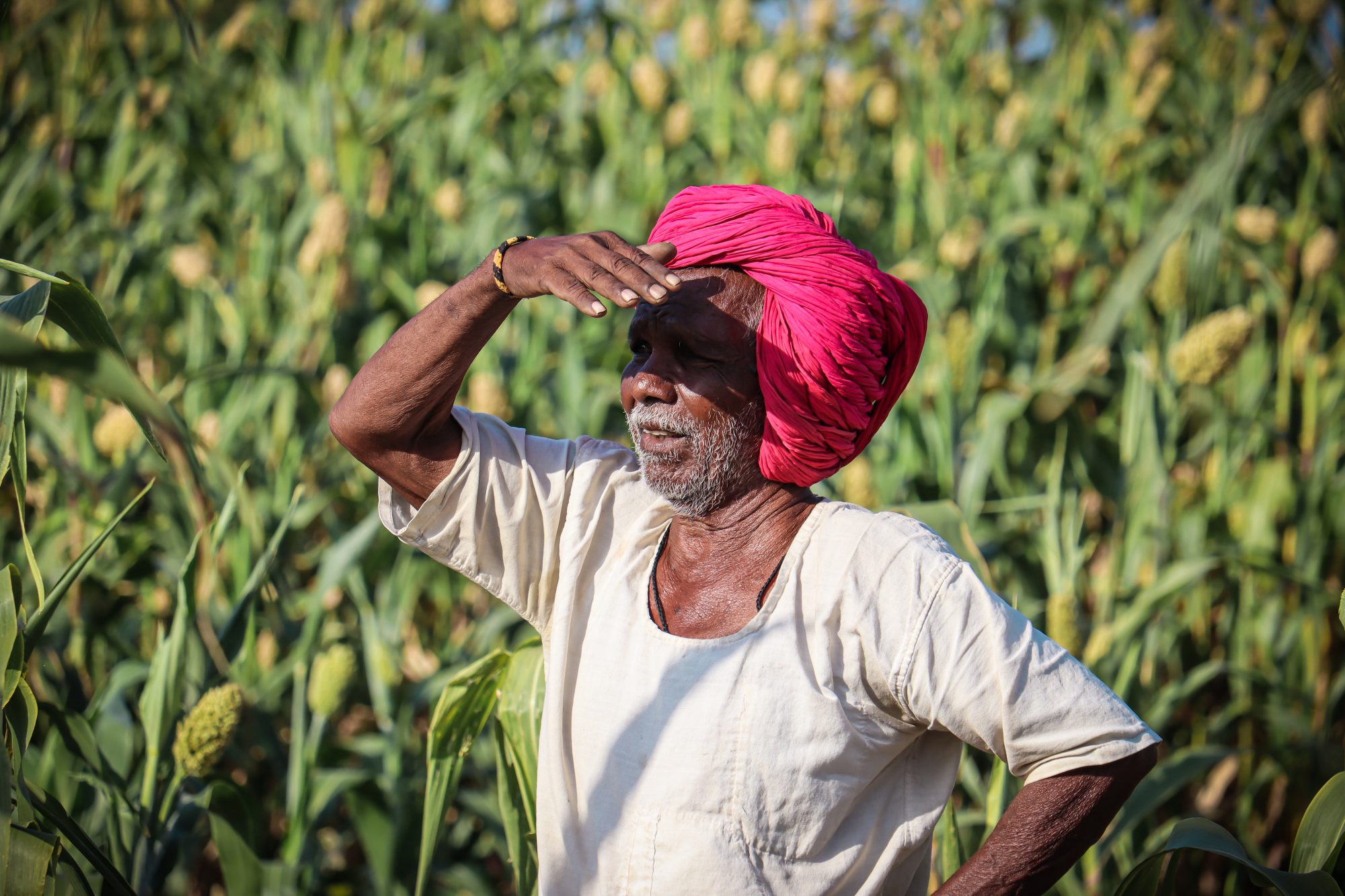
On the afternoon of the 24th, in a carrot field in Jongdal-ri, Gujwa-eup, Jeju City. About a week before shipment, farmer Chae In-beom, 78 years old, pulled up carrots from the soil that were so small they could be called “baby carrots.” Even the relatively large carrots had only grown bulgily at the top or had lines all over their bodies. Chae said, “When we needed to sow seeds and sprout them, it hardly rained, but when the roots needed to grow underground in October to November, it poured heavily.” He added, “Root vegetables like carrots need to breathe in the soil and ripen plumply, but with the rain pouring down as if submerging them in water, they couldn’t grow properly and the farming became a mess.”
Amid the strongest El Niño on record hitting the globe, its effects have begun to appear in South Korea, starting with Jeju. When El Niño occurs, South Korea experiences concentrated heavy rain and snow from late autumn to winter in Jeju and the southern regions. Unseasonable rains during the crop growth period, when rainfall should be scarce, have caused significant damage to Jeju farms ahead of the December harvest season.
According to the Korea Meteorological Administration and the U.S. National Oceanic and Atmospheric Administration (NOAA) on the 29th, the sea surface temperature in the central equatorial Pacific El Niño monitoring zone (6 million km²), which determines El Niño’s strength, is currently 3.3 degrees Celsius higher than average (average from November 15–21). Typically, when this temperature exceeds 2.0 degrees, it has been called a “super El Niño,” but this year, observations suggest a “hyper El Niño” surpassing this will continue throughout the winter. Experts warned, “In addition to overseas impacts, domestic agricultural damage from frequent heavy rainfall, record snowfall, and sharp temperature fluctuations could occur.”
◇October Rain in Jeju, 3.1 Times the Average
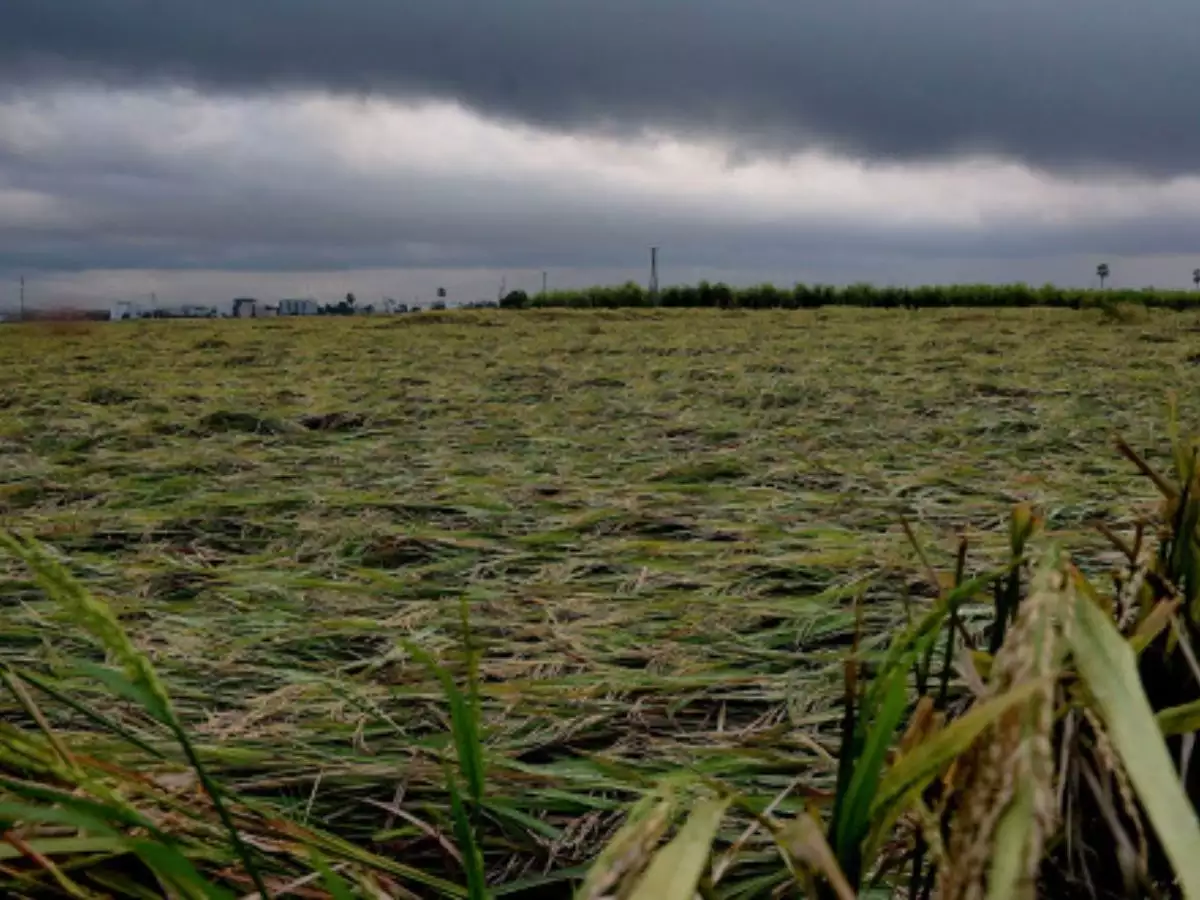
In Jeju, this autumn’s precipitation pattern has completely changed from the past. Typically, the most rain falls in September, with precipitation gradually decreasing through October and November. The average annual precipitation in Jeju City (1991–2020 average) was 227.8 mm in September, 95.1 mm in October, and 69.5 mm in November. However, this year, only 51.5 mm fell in September, making it dry, while October saw 295.2 mm, over three times the average. In November, up to the 28th, 99.5 mm fell, exceeding the average. As of the 28th, Jeju City’s cumulative autumn precipitation reached 446.2 mm, already surpassing the average (392.4 mm). Lee Ji-hye, a spokesperson for the Korea Meteorological Administration, explained, “This September had no typhoons or large low-pressure systems affecting Jeju, and under the influence of a high-pressure system, clear weather continued, resulting in less rain than usual.” She added, “Conversely, in October to November, warm and humid air entered Jeju due to El Niño’s aftermath, and Typhoon ‘Champi’ also had an impact.”
This rain pattern hit Jeju’s farming households hard. For carrots, typically sown in August, they absorb sufficient water as heavy rain falls in September, and during the growth period from October to November, the roots should breathe and grow underground. However, this year, heavy rain poured contrary to the conditions needed for carrot growth, ruining the crop. The Jeju Agricultural Technology Center projected that the cultivation area for 2026–2027 Jeju carrots would decrease by 16.8% compared to the previous year, suggesting carrot prices could rise after the December harvest season.
◇Jeju Beans, Buckwheat, and Mung Beans Recognized as “Agricultural Disasters”
It’s not just carrots. An estimated 2,812 hectares (ha; 1 ha = 10,000 m²) of bean, buckwheat, and mung bean fields in Jeju have been damaged. Repeated rain during the harvest season delayed harvesting as farmers waited for the fields to dry, and humid weather spread fungal diseases, significantly reducing product quality. The damage areas estimated by Jeju Province are 1,495 ha for beans, 1,132 ha for buckwheat, and 185 ha for mung beans. For beans, this accounts for 35.4% of the total cultivation area in the province (4,229 ha), and the Jeju Headquarters of the National Agricultural Cooperative estimated that over 80% of the total cultivation area would see reduced production compared to the previous year. In response, the Ministry of Agriculture, Food and Rural Affairs recognized this year’s damage to the three crops as an “agricultural disaster.”
Damage is expected to grow larger in December when the vegetable harvest season begins in earnest. As winter approaches, El Niño strengthens, bringing more rain and snow. Past strong El Niño events also caused significant crop damage. In 2015, autumn rains during the harvest season damaged beans and tangerines in Jeju. At that time, rain fell for 22 days from October 27 to November 30 in Jeju. Beans that couldn’t be harvested on time rotted, damaging approximately 11% of the total cultivation area, 730 ha, and tangerines suffered damage such as peeling skin and flesh or falling from trees due to insufficient sunlight.
Experts point out, “As El Niño’s impact on South Korea is significant, countermeasures are necessary.” For example, in Peru, four northern agricultural regions removed sediment accumulated in rivers, waterways, and drainage canals to prepare for flooding and established an “El Niño alert” to encourage farmers to take preemptive measures. Professor Kim Baek-min of the Department of Environmental Atmospheric Sciences at Pukyong National University said, “Domestically, through accurate seasonal forecasts, the Korea Meteorological Administration and the Ministry of Agriculture, Food and Rural Affairs should adjust sowing and harvesting schedules by region, and areas prone to heavy rain should prepare in advance by maintaining drainage systems.”
Hyper El Niño
A term meteorologists used to describe this winter’s forecasted worst-ever El Niño, surpassing the “super El Niño.” In official classifications by the Korea Meteorological Administration, El Niño strength only goes up to the “very strong” stage with a sea surface temperature anomaly of 2.0 degrees or higher, commonly referred to as a “super El Niño.” This winter, with temperatures expected to exceed 3.0 degrees, the term “hyper” was added, but both “super” and “hyper” are unofficial terms.
Source - https://www.chosun.com