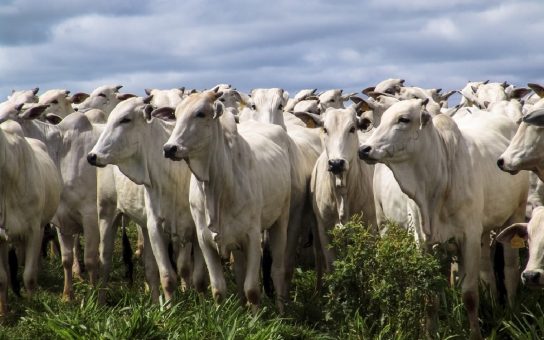
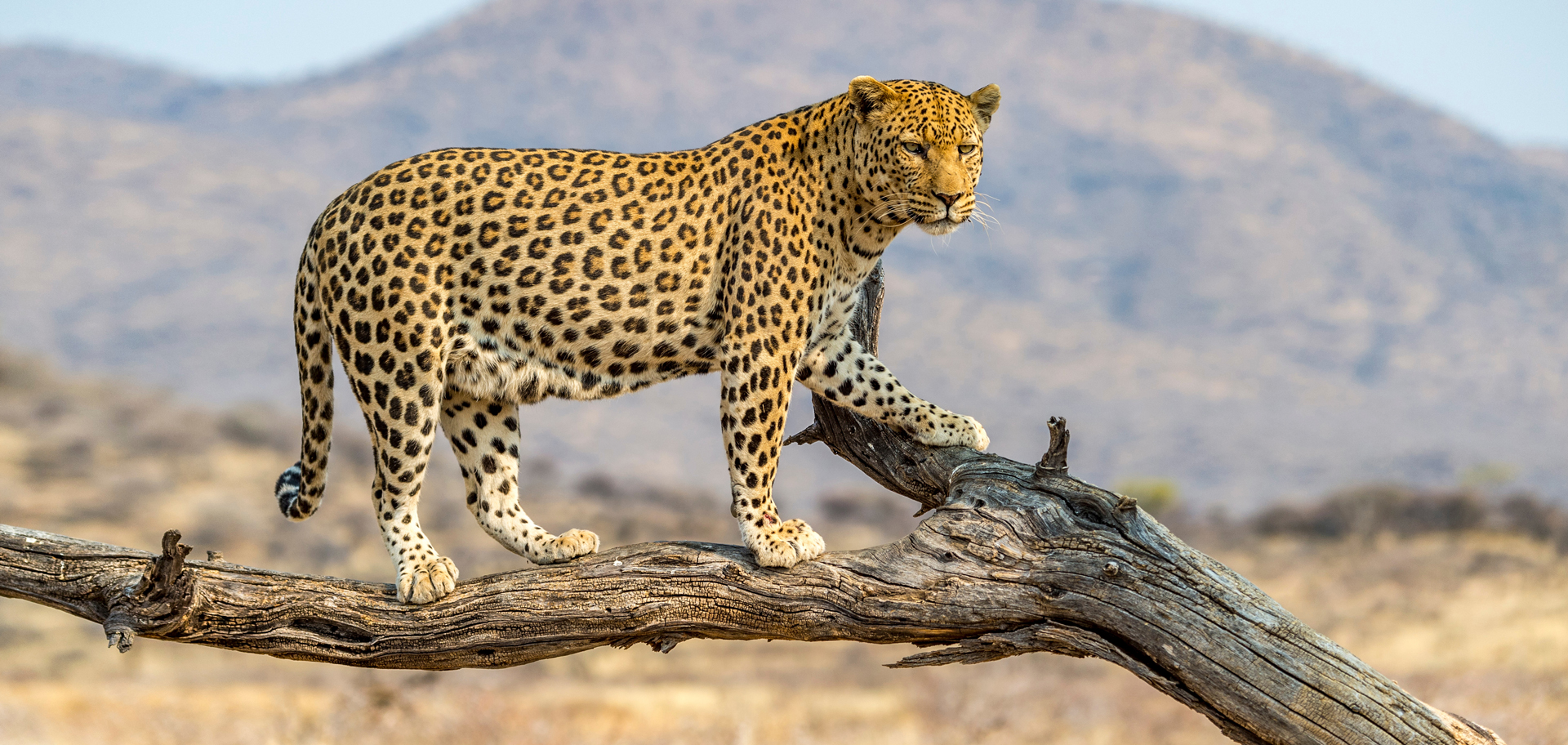
The morning began with a grim discovery for a cattle herder in Sigiriya. One of his animals lay dead, its half-eaten body bearing the unmistakable signs of a leopard attack.
The loss was painful, but what followed was even more alarming. Over the next few days, cattle belonging to neighbouring herds also had been attacked, with the suspected leopard killing a total of 8 animals within a week.
For the affected farmers, each kill is a blow to their livelihoods, often built over years of raising and caring for their herds. So the feelings of anger and frustration are understandable, and on such instances, revenge and preventing future attacks race through the minds of angry cattle herders.
Leopards often return to their kill to feed on the carcass over several days, so when a farmer loses a valuable animal, as in some cases, angry livestock owners poison the carcass, either as revenge or to kill the leopard and prevent further attacks.
But unlike many previous incidents, this time the losses may not turn into another tragedy. For 3 cattle owners who lost 8 animals in the recent incidents in Sigiriya, there is some relief.
They will receive financial compensation for their losses under a newly introduced livestock insurance scheme designed to reduce retaliatory killings of leopards. The compensation payments were made yesterday.
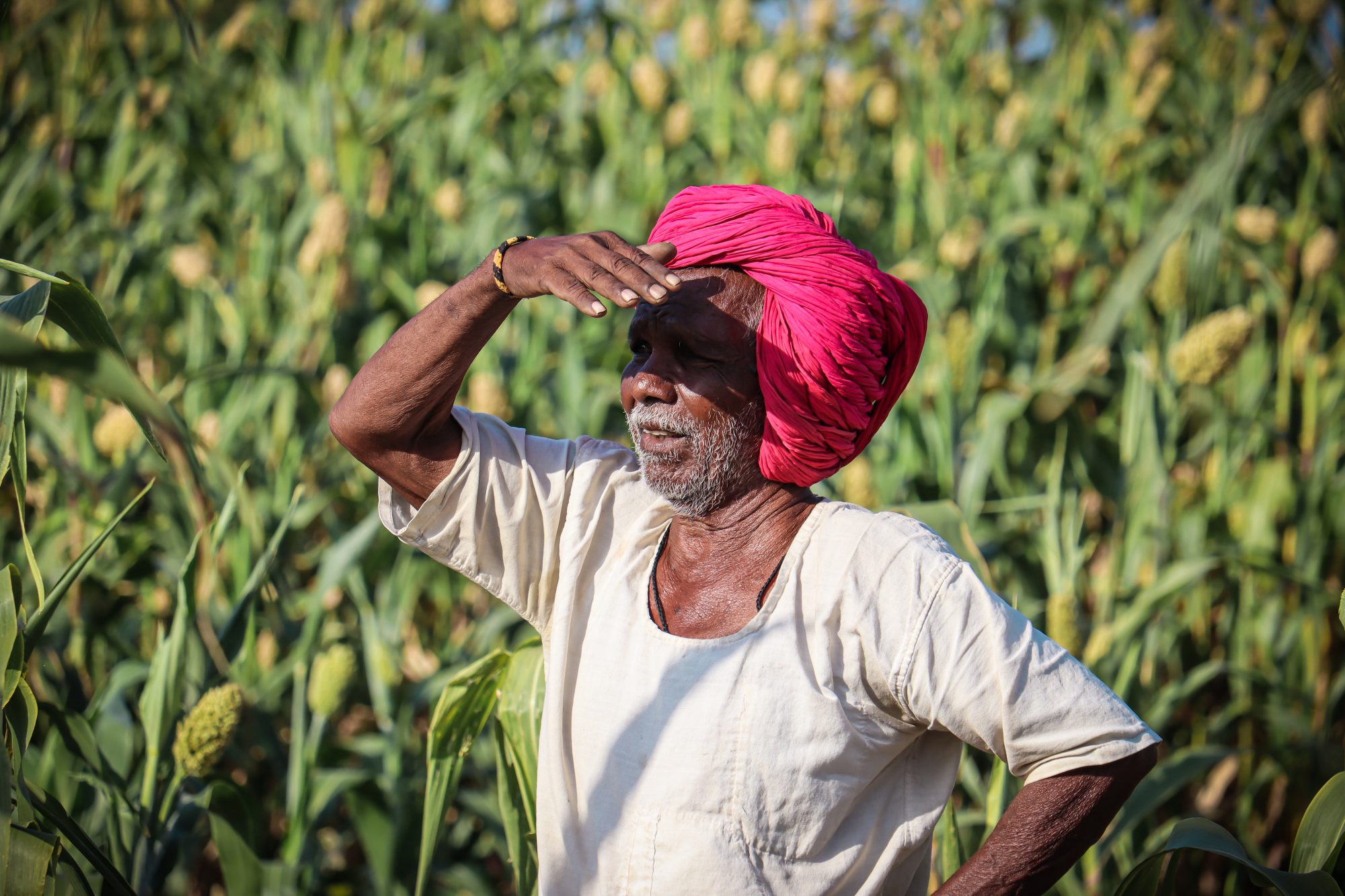
Suliaman Shaihabdeen who has about 25 cattle is one of the herders who faced this issue. “We raised the cattle with difficulty and the loss of a animal is a great loss,” Shaihabdeen told the Sunday Times.
Mohammed Rizwan is another cattle herder who lost 2 calves to leopard attacks. “Getting this kind of insurance is a relief as the one caught on the 24th was only one and a half years old,” said Rizwan.
Herders who received the compensation under this insurance scheme feel relief, and won’t go to the lengths of poisoning the carcass as a revenge attack.
The insurance scheme comes at a time when retaliatory poisoning remains a serious threat to Sri Lanka’s leopard.
A recently published study examining the causes of leopard mortality in Sri Lanka’s hill country found that snares accounted for around 60% of deaths, while poisoning was responsible for another 15% from 2020 to 2024.
Livestock owners are among those implicated in poisoning incidents.
Although the hill country has recorded numerous leopard deaths linked to snares and poisoning, the dry zone is also an important stronghold of leopards.
It is here too that large numbers of cattle are raised, often in herds grazing close to forest edges and other wilderness areas.
This proximity increases the likelihood of encounters between leopards and livestock, creating a difficult situation for both wildlife and rural communities.
Recognising this underlying economic dimension of the human-leopard conflict, the Wildlife and Nature Protection Society (WNPS), with the United Nations Development Programme (UNDP) Sri Lanka through its Biodiversity Finance Initiative (BIOFIN), and LOLC General Insurance, introduced the Livestock Insurance Scheme last year.
Implemented as a pilot initiative in the Dambulla and Hingurakgoda Divisional Secretariat divisions, with guidance from the Department of Wildlife Conservation (DWC), the scheme provides financial assistance to livestock farmers who suffer verified losses due to leopard attacks outside protected areas.
Since its introduction, more than 1,500 livestock farmers have registered under the scheme and are eligible to claim compensation for verified livestock losses attributed to leopard predation, said Gihani Hettiarachchi who manages this programme for WNPS.
The first compensation payment was made to A G Dissanayake, a livestock farmer from Alakolawewa, Wewala Wewa in September this year, following the loss of a calf to a leopard attack.
Financial compensation is only one part of the initiative. Preventing cattle from becoming easy targets is equally important.
A predator-proof community cattle pen was recently constructed in Wewala Wewa with support from Jetwing Hotels and Colombo Jewellery Stores. Handed over to Mr Dissanayake and another livestock farmer, M Riswan, the communal facility accommodates around 50 cattle overnight.
By providing a secure enclosure during the night, when livestock are particularly vulnerable to leopard attacks, the pen is expected to reduce losses and demonstrate a practical approach that could be replicated in other conflict-prone areas.
The need for such interventions became evident during a series of incidents reported in Wewala Wewa and Pollaththawa in the Dambulla division during late October and early November. 8 livestock kills were verified, while other cattle were reported missing or fatally injured in suspected leopard attacks.
By combining compensation, safer livestock enclosures and engagement with rural communities, the new scheme hopes to change this equation, allowing farmers to protect their livelihoods without putting the country’s endangered leopard at risk.
This innovative livestock insurance scheme offers farmers an alternative to retaliatory killings by providing financial compensation for livestock lost to leopard attacks.
Successfully piloted last year in the Cultural Triangle, the programme now needs public support to sustain its operations and expand into Sri Lanka’s Eastern Province, where human–leopard conflicts are also frequent says Spencer Manuelpillai of WNPS wild cat subcommittee.
Source - https://www.sundaytimes.lk