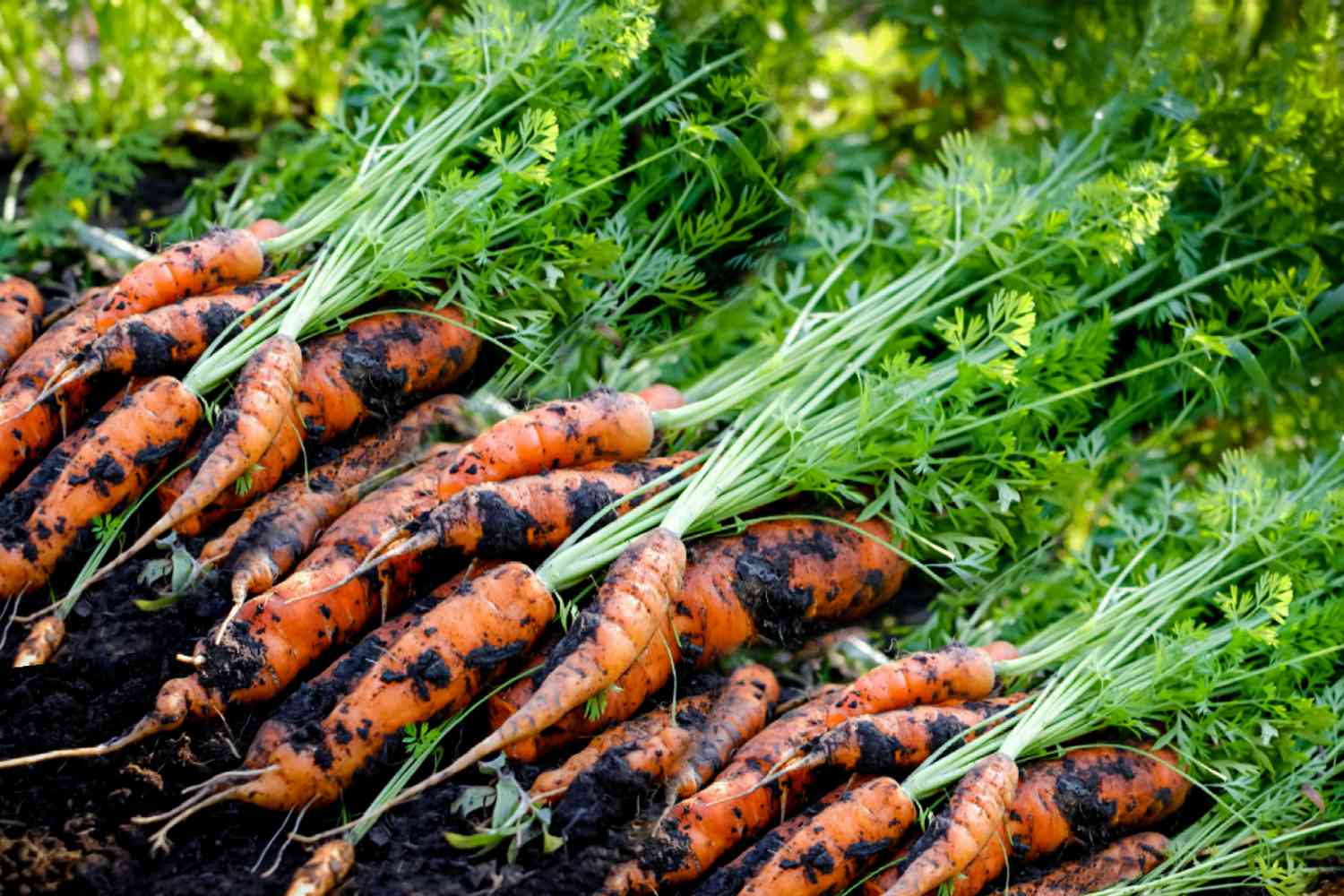
After a year with crazy high prices, this year, the weather is putting its stamp on the carrot market." When the season started, we thought it would be a repeat of 1976, one of the driest years in decades. The seedlings grew quite well, but then it started raining cats and dogs in the summer. And we got so much water in the fall that the storage products have been submerged since early October," Kees Heegsma begins, reflecting on the Dutch season.
"That's a terrible starting point for product storage. Harvesting was, therefore, particularly difficult. Eventually, with much effort, we got most of the carrots off the land, but under imperfect conditions. We had little choice, though. The growers who waited for better conditions still have their carrots in the ground with all the frost problems that entails."
Quality is far from good
"We've since begun delivering the first batches. And, to be honest, the quality's far from good, although the batches differ vastly. Ring rot is a problem in many batches, and it's vital to get rid of those quickly; otherwise, those carrots' quality plummets. Higher-end customers can't use those. There's, thus, quite a lot of lower-quality supply on the market, but these have a limited number of buyers. And you simply can't turn a bad batch good," says Kees.
The Netherlands' neighboring countries are in the same boat. "Whether you talk to people from Belgium, the United Kingdom, Denmark, Poland, or the storage areas in Germany, everyone has had the same story. They face similar problems. Import carrots aren't available yet, either. They're growing in Israel and Spain but won't come our way for several months. Besides, the question is how Israeli exports will fare with the war going on there. I got pictures of the crop, though, and it looks good. Usually, those exports start in May; last year, we were still getting the last carrots from Israel in mid-July."
"But, our first priority was getting the carrots neatly into cold storage, which became hugely challenging. There's demand and plenty of moderate yields, so there's quite a pull on the carrots. The prices - on January 11, the exchange in Emmeloord quoted €0.25-€0.35 - aren't bad either. Field crops are being sold to Germany, Belgium, and Poland, and washed carrots are going to places like Germany, Croatia, the Czech Republic, and Africa," Kees explains.
Organic sales growth stagnating in Germany
He says specialties such as colored and baby carrots remain niche products. "A few specialists focus entirely on snack carrots. The colored carrot market remains very limited; I don't see any major developments. The organic carrot market is fairly organized, and its growth in Germany has slowed slightly. Especially after last year's high prices, organic carrots became increasingly expensive in the high-end segment. Everyone talks about sustainability and organic, but people easily abandon their principles when the price differences become too big. There doesn't seem to be that willingness to pay a premium in our trade. Supermarkets, in particular, like making a good impression, but when it comes to paying, it's often tricky."
When asked about the Dutch carrot sector's future, Kees laughingly replies, "This season isn't the right time to ask about that. Last year, we saw that if we have good quality carrots in our cold stores and there are calamities elsewhere in Europe - of which there are more and more - the Dutch sector has a good starting point to deliver produce everywhere. Last year, business was excellent for everyone. But it becomes far tougher when we, too, have cultivation issues, like this year."
“Last year, there was such a shortage that, at one point, growers were selling carrots off the land for €500 a crate,” says Heegsma. “You can safely call those unprecedented prices; we’d not experienced that in 25 years. That’s also what makes the carrot market special. In the potato trade, buyers often make fairly agreeable deals; with us, movement is often quite erratic. It remains a game of supply and demand.” The Friesian open-field vegetable trader has been working with fellow grower Arjan Freriks for two years. "I hope to remain active in the carrot sector for a few more years, but sooner or later things will change. We’re sorting that out now," he concludes.
Source - https://www.freshplaza.com