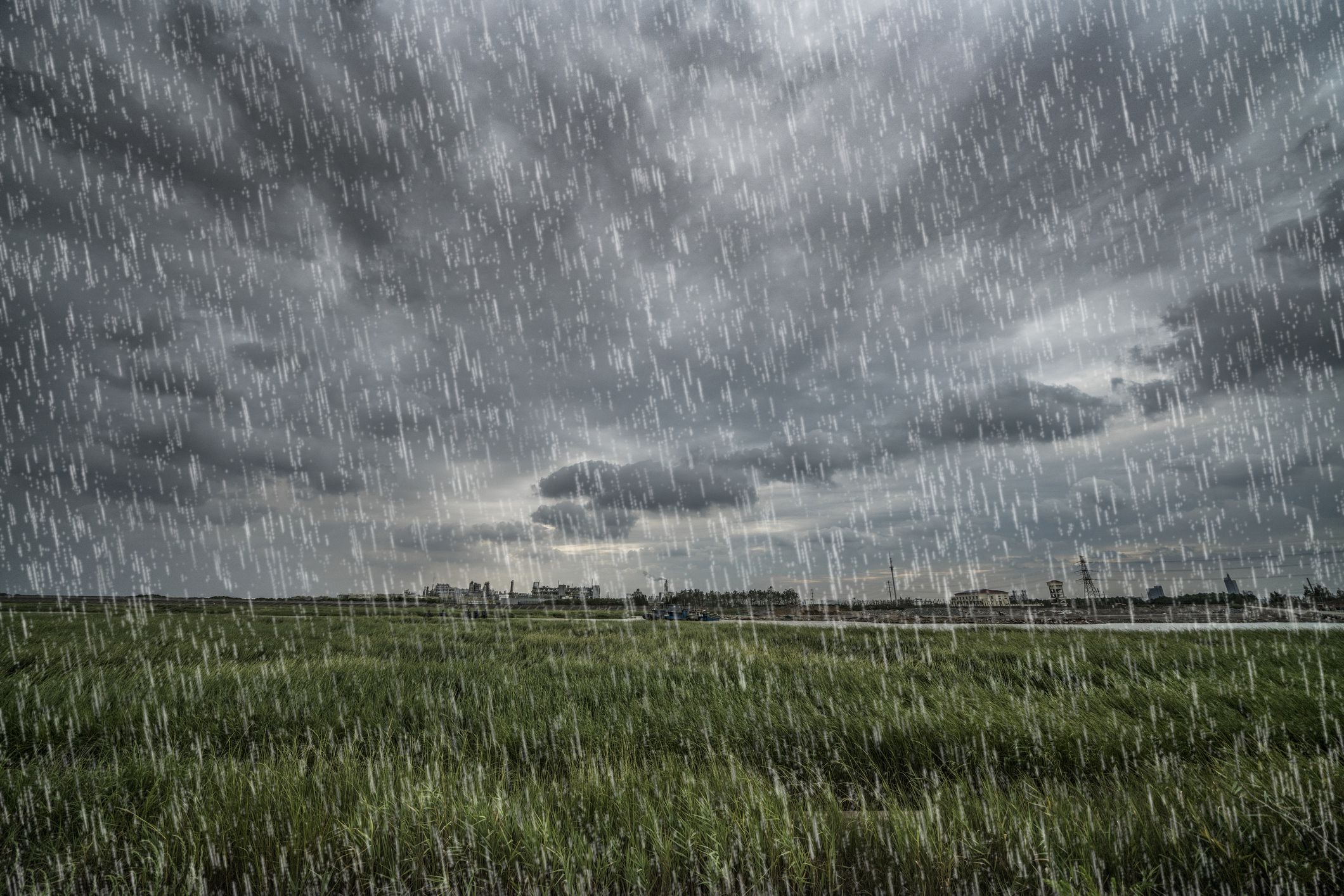
Northland vegetable crops seem to have escaped the deluge expected to hit the region when a state of emergency was declared due to heavy rain and bad weather.
While some growers in the region, including kumara growers, did experience some crop damage, it wasn’t just from Tuesday night’s downpour - it’s been an ongoing battle the whole summer.
Northern Wairoa Vegetable Growers Association president and kumara grower Doug Nilsson said there was “quite a bit of water lying in our paddocks”.
It was now too wet to spray, and staff were waiting around for it to dry out before they could start weeding, he said.
“It’s come out hot and steamy now, so it’s not going to do kumara any good.
“We haven’t had as much rain as other areas, like the east coast, but we had to have 120 millimetres in the last five days or so since it started raining.
“It is a root crop; if there’s water lying around, there is a risk of some kumara going rotten.”
Nilsson said the wet weather over the whole summer had had an impact.
“It’s been like this all year. It’s a battle. Growers are getting frustrated - it’s week after week.”
Nilsson had earlier indicated consumers could expect the cost of the sweet potato to increase this year due to the continued wet weather and increased costs of living, including fuel and labour costs.
A state of emergency was declared in Northland on Tuesday amid concerns about heavy rain and high winds expected overnight.
MetService issued a red heavy rain warning, a severe thunderstorm watch, and a strong wind watch for the region.
The state of emergency, initially in place for seven days, was lifted on Wednesday morning after the intense weather didn’t eventuate.
It was a different story in flood-hit Auckland, however, with pastures completely underwater and crops destroyed.
Those included tonnes of onions drying out in Pukekohe fields which were washed out onto neighbouring properties and roads.
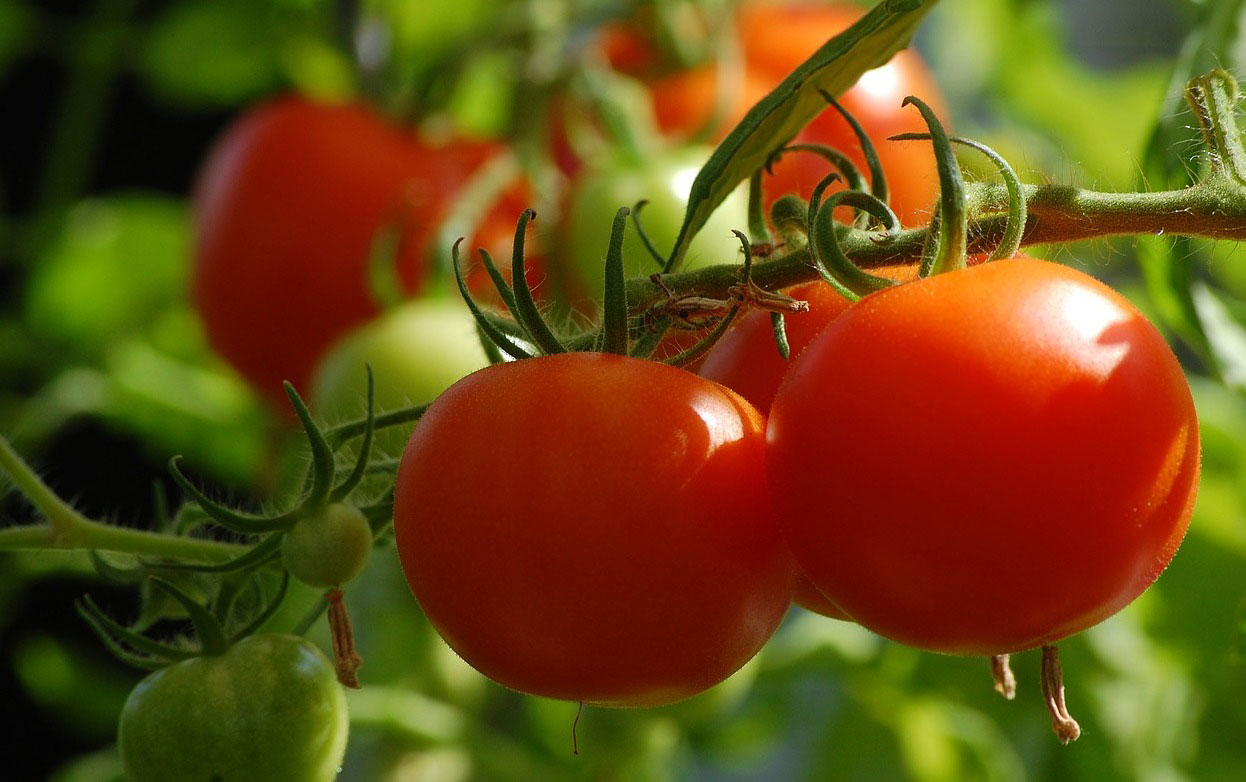
Whangārei Growers Market co-founder Murray Burns said the weather didn’t cause any problem with his crops, which include rocket, cucumber, tomato, capsicums, coriander, mint, basil and parsley.
“We only had 70mm of rain - it wasn’t too bad. We had a lot more rain earlier in the week.
“It’s been an absolute crap summer; we’ve had nothing but rain and no sun.
“It’s difficult because the plants stretch, and get soft and get more susceptible to disease.”
Burns said any price increases would depend on areas that were “big producers” like Gisborne and Pukekohe.
“The bulk of the supermarkets draw their products from those areas.
“The amount of produce grown in Northland wouldn’t make much of a difference.”
Kainui Rd vineyard and orchard owner Alan Thompson, who is based in Kerikeri and grows kiwifruit, mandarins and lemons, said he had “no problem” with the weather.
“We had about 50mm of rain. There was a bit of wind damage in general around the place, a bit of wind rub, but we haven’t lost any crops.
“It wasn’t that extreme here.”
Hugh Rose, who grows mainly bananas, along with pineapple, pawpaw and papaya at his property in Maungatapere, said his crops were “all good”.
“We’re fine. For us, we wondered, was it worth the state of emergency?
“It was a storm in a teacup. A week ago, it was way worse. ”
Source - https://www.nzherald.co.nz