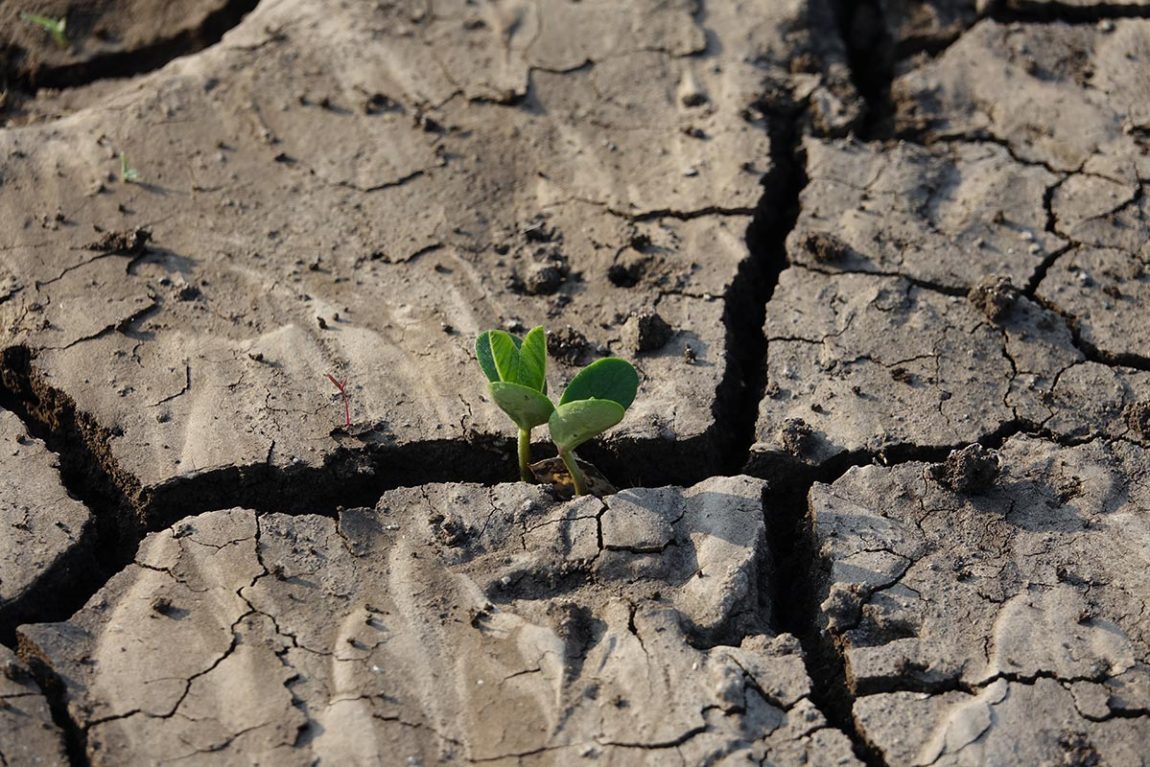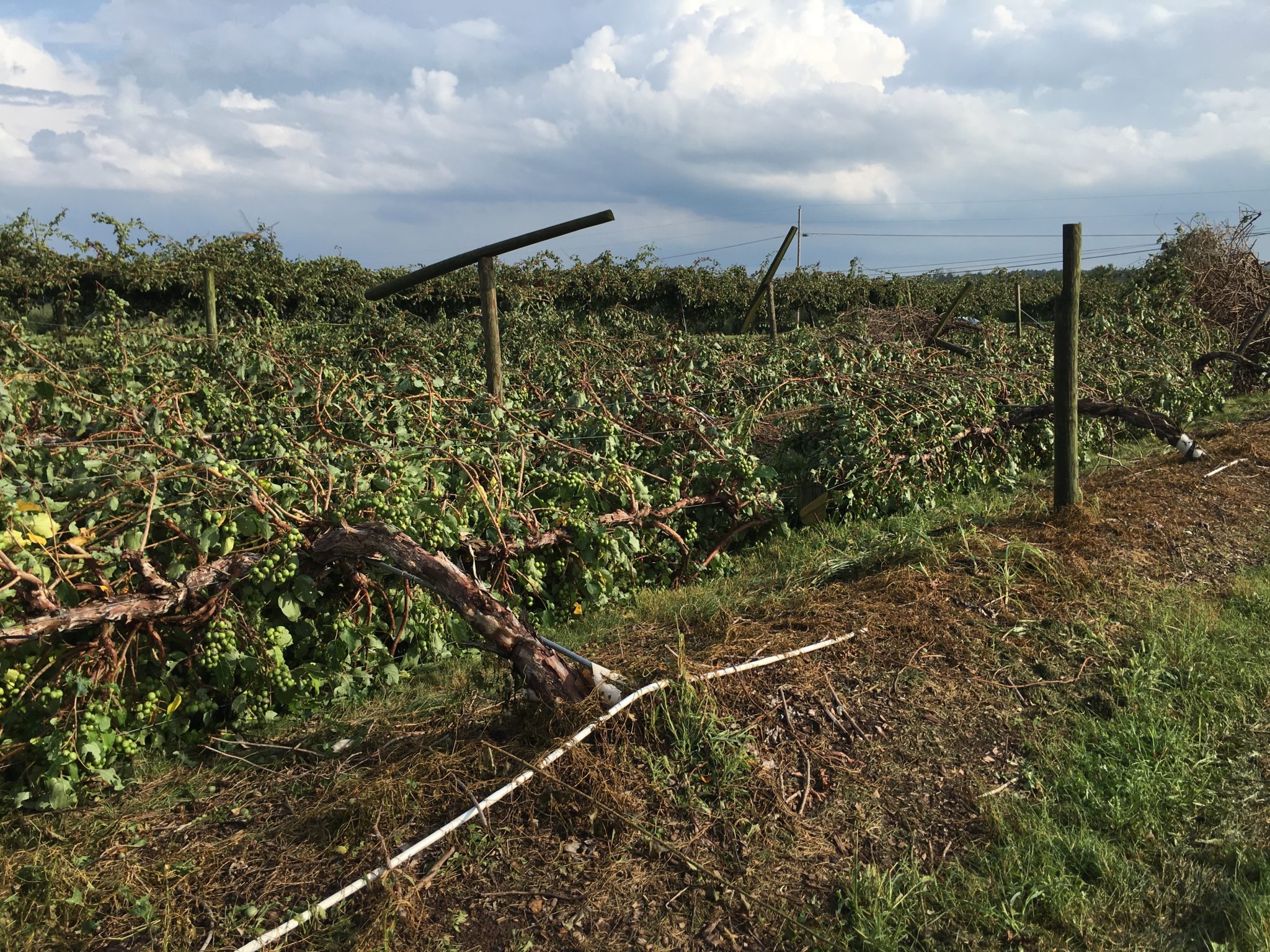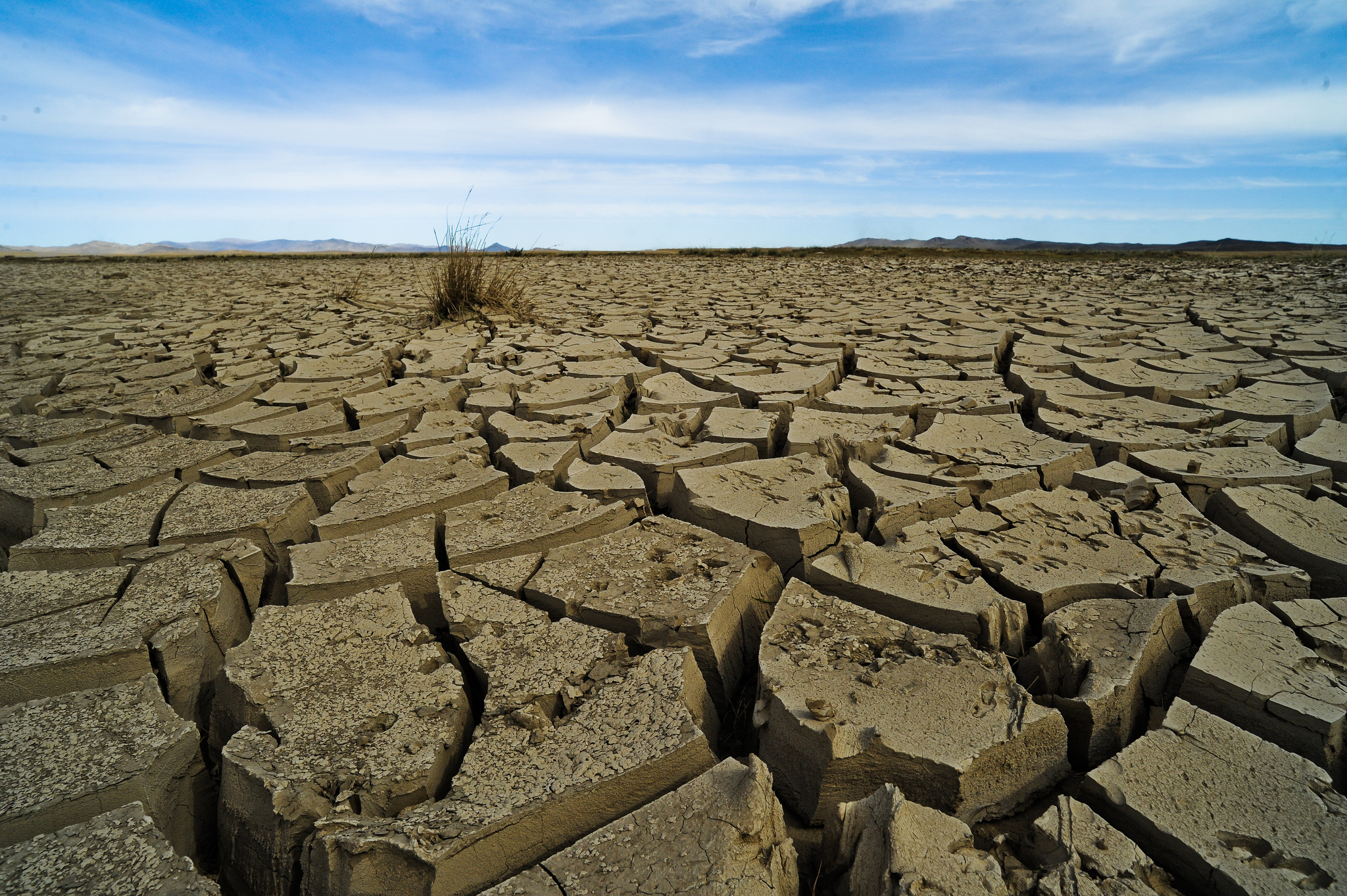
Climate change has resulted in increasingly extreme weather events worldwide. NIBIO research scientist Pål Thorvaldsen is among the many scientists who participated in a large international drought experiment initiated by the University of Michigan, U.S. He explains that climate change may lead to more frequent occurrences of short-term extreme drought.
"Previously, short-term extreme droughts could occur every 100 years. According to some climate scenarios, we can expect them to happen every five to 10 years in the future," the researcher says.
The scientists examined grass- and shrub-dominated ecosystems—both vital grazing areas for livestock. The results show that plant growth was reduced by a whopping 60% during short-term extreme drought in grasslands, compared to areas with moderate drought.
"It is concerning to witness such a drastic reduction in plant growth in ecosystems that are so crucial for food production," Thorvaldsen remarks.
Important to prevent pastures from drying out
The scientists investigated 170 sites worldwide. The results revealed a significant reduction in plant production in the studied ecosystems after one year of extreme drought.
"After just one year, the results showed a decrease of almost 40% in biomass in the grass-dominated ecosystems. This is nearly double the reduction observed in the shrub-dominated ecosystems, which had a decrease of about 20%. This is quite serious for farmers relying on pasture for their animals," says Thorvaldsen.
"It seems to be beneficial to have an element of shrubs or trees in pastures. This affects the microclimate and reduces radiation."
Although extreme drought rarely occurs simultaneously in all of Norway's key agricultural regions, the research scientist believes access to watering systems could become important to ensure food supply in the future.
Preventing these ecosystems from drying out is crucial for global food production, but also for the climate accounts.
"Globally, the ecosystems we studied cover between 30% and 40% of the Earth's surface and store more than 30% of the Earth's carbon storage. Plant production is one of the key factors in the carbon cycle. When plant production is reduced, less CO2 is absorbed from the atmosphere," explains the researcher.
"Understanding how plants and ecosystems respond to climate change will be extremely important moving forward."
Norwegian coastal heathlands tolerate drought well
The Norwegian research team were responsible for six sites around the country. All were pasture areas with coastal heathland dominated by heather, an evergreen dwarf shrub. On each site, the researchers set up nine cages measuring 3.5 x 3.5 meters. Three of the cages were open control fields without roofs. The other six cages contained roofs with plastic panels with openings between each panel. In three cages the plastic panels covered 60% of the roof, and in three cages the panels covered 90% of the roof.
These transparent roofs were set up 80 cm above the ground to allow light and air to reach the plants. Due to infiltration of moisture from the surrounding area, soil moisture was measured using soil moisture meters.
"The results from the Norwegian costal heathlands showed that they are surprisingly resistant to drought. After three years of drought experiments, we couldn't detect changes in the plant composition—even in areas simulating extreme drought where we reduced rainfall by 90%. We also found no significant reduction in productivity," says Thorvaldsen.
"We could see that the plants suffered drought damage and withered much earlier in the autumn. But when spring came, the plants were just as strong again."
The Norwegian project was extended for an additional three years, and now the research team are starting to analyze the complete dataset after six years of extreme drought.
Source - https://phys.org