Pakistan’s agriculture sector, once the country’s economic mainstay, is fast sliding into crisis as surging production costs and dwindling profitability push farmers to the brink.
Over recent years, the prices of fertilisers, pesticides, diesel, electricity, and farm machinery have skyrocketed, while global crop prices have steadily declined, a combination that has made cultivation unviable for many growers across the country, reported Dawn.
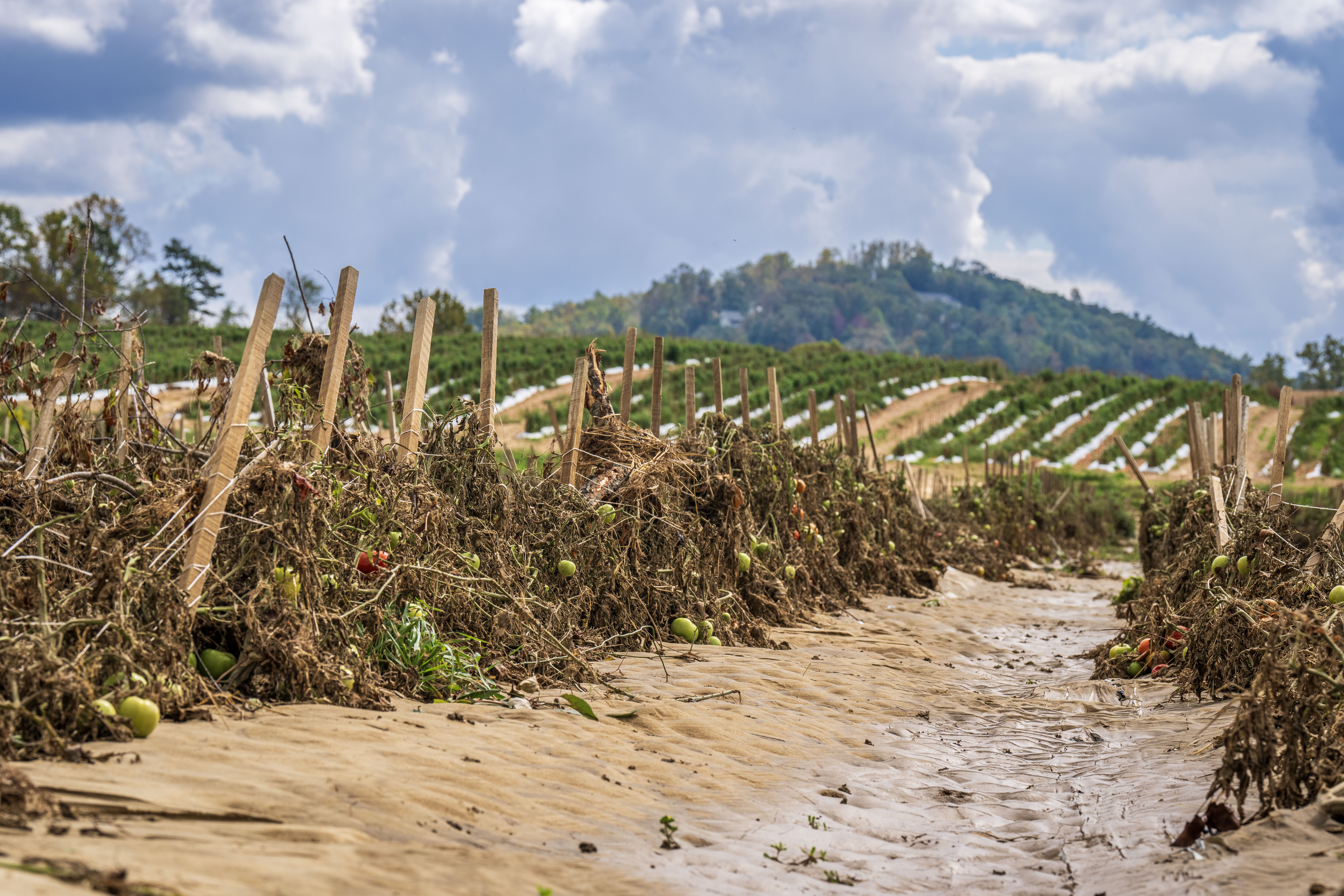
According to Dawn, farmers are facing a dual assault, worsening climate change impacts and collapsing cost competitiveness. Erratic weather patterns, floods, and rising temperatures continue to damage yields, while an imbalance between input and output prices has left farmers struggling to recover even basic costs.
Despite mounting distress, the government, constrained by budgetary pressures and demands from international lenders, has offered little meaningful relief beyond symbolic loan schemes and small-scale pilot projects.
In the past, agriculture remained profitable despite inefficiencies on the ground. The survival depends on adopting modern practices that reduce production costs, boost yields, and open better marketing channels.
Farmers must learn to produce more with less through efficient irrigation, the adoption of renewable energy, and improved soil management if they are to remain competitive in an increasingly challenging environment.
One major challenge lies in fertiliser costs. With Diammonium Phosphate (DAP) prices soaring to nearly PKR Rs14,700 per 50kg bag, many farmers have reduced usage, even as soils suffer from phosphorus deficiency.
Globally, farmers counter this by using organic and biological substitutes, such as compost, bone powder, biogas slurry, and phosphate-enriched manure, which can be replicated locally with minimal investment. High energy costs have also strained farmers.
Transitioning to solar-powered tube wells could alleviate their burden, particularly in Punjab, where diesel pumps are the primary source of irrigation. Yet, little has been done to promote such reforms on a large scale, as cited by Dawn.
To make matters worse, middlemen continue exploiting growers by charging illegal commissions, often consuming up to a quarter of farmers’ profits. Without marketing reforms and cooperative models, the cycle of exploitation will persist. Pakistan’s agriculture is now locked in a struggle for survival, a grim contest where only the most resourceful and adaptive farmers will endure, as reported by Dawn.
Source - https://www.chinimandi.com