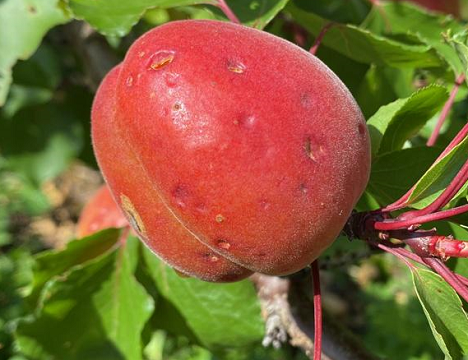
Swat, a region renowned for its natural beauty and fertile fruit farms, is currently experiencing a challenging apricot season. This year, the normally bountiful harvest has been severely impacted by inclement weather, resulting in significant losses for local farmers.
Swat’s apricot orchards are typically abuzz with activity during the harvest season, with high-quality apricots ripe and ready for market. However, this year, the yield has been drastically reduced due to heavy hailstorms. Farmers are reporting up to 70 per cent losses in their crops, a devastating blow to one of the region’s key agricultural products.
“Swat is one of the leading producers of apricots in Khyber Pakhtunkhwa, known for its diverse and high-quality varieties,” said Zaryab Khan, a farmer from Barikot tehsil. “We grow several varieties here, including local Swati types, Halman, Badam (almond apricot), Shakarpara, and white apricot. This diversity usually ensures a good yield and robust income, but the weather has been unkind this year.”
Farmers say bad weather struck trees when they were flowering
The adverse weather struck during the critical flowering season, with hails and heavy rains causing widespread damage to the budding apricots. “This year, our yield is only 30 per cent of what we typically produce,” lamented Zaryab. “Seventy per cent of our crop was destroyed by bad hails.”
Abdullah, who has been involved in the fruit business for over two decades, detailed the typical harvest timeline. “The fruit harvest starts with apricots and plums, followed by peaches, and ends with red persimmons. These orchards not only provide us with income but also support many others who work as loaders, pickers and packers,” he explained. In his orchard alone, about 30 people are employed during the apricot season.
Despite the setbacks, the apricots of Swat remain highly popular, especially in Punjab and Sindh. “We send our produce to major fruit markets in Lahore, Rawalpindi, Peshawar, Faisalabad, Karachi, and other cities,” Abdullah noted. However, this season’s reduced yield and suboptimal quality have affected market prices. “The prices we are getting are not meeting our expectations,” he said.
Akbar Khan, who has been packing fruits in crates for the past 10 years, highlighted the broader economic impact of the orchards. “These orchards are a blessing for us as they provide jobs and income. Almost everyone in our village is employed in the orchards. Some pick the fruits, some pack them, and others load them into trucks,” he said. Akbar also mentioned that the orchards attract workers from other cities during the harvest season, providing additional employment opportunities.
The economic implications of this year’s poor apricot yield are far-reaching. With fewer apricots to sell, many farmers are facing financial difficulties. The reduced income not only affects the farmers directly but also impacts the labourers who depend on the seasonal work for their livelihood.
Despite these challenges, the farmers of Swat remain resilient. They are hopeful that next year will bring better weather and a more abundant harvest.
“Farming is always a gamble with nature,” said Sultan Khan. “We have faced bad years before, and we have come through. We hope and pray for a better season next year.”
In the meantime, local agriculture authorities are urged to support the affected farmers. Providing access to better weather forecasting, pest and disease control, and financial assistance could help mitigate the impacts of such adverse weather events in the future. The resilience and hard work of Swat’s farmers are crucial for the region’s agricultural success, and with the right support, they can continue to thrive despite the challenges.
Swat’s reputation for producing some of the best apricots in KP remains intact, even in a difficult year. The unique flavours and high quality of Swat apricots continue to be appreciated across the country. As the farmers navigate this tough season, their commitment to producing top quality fruit remains unwavering, ensuring that Swat’s apricots will continue to be a cherished product in markets nationwide.
Source - https://www.dawn.com