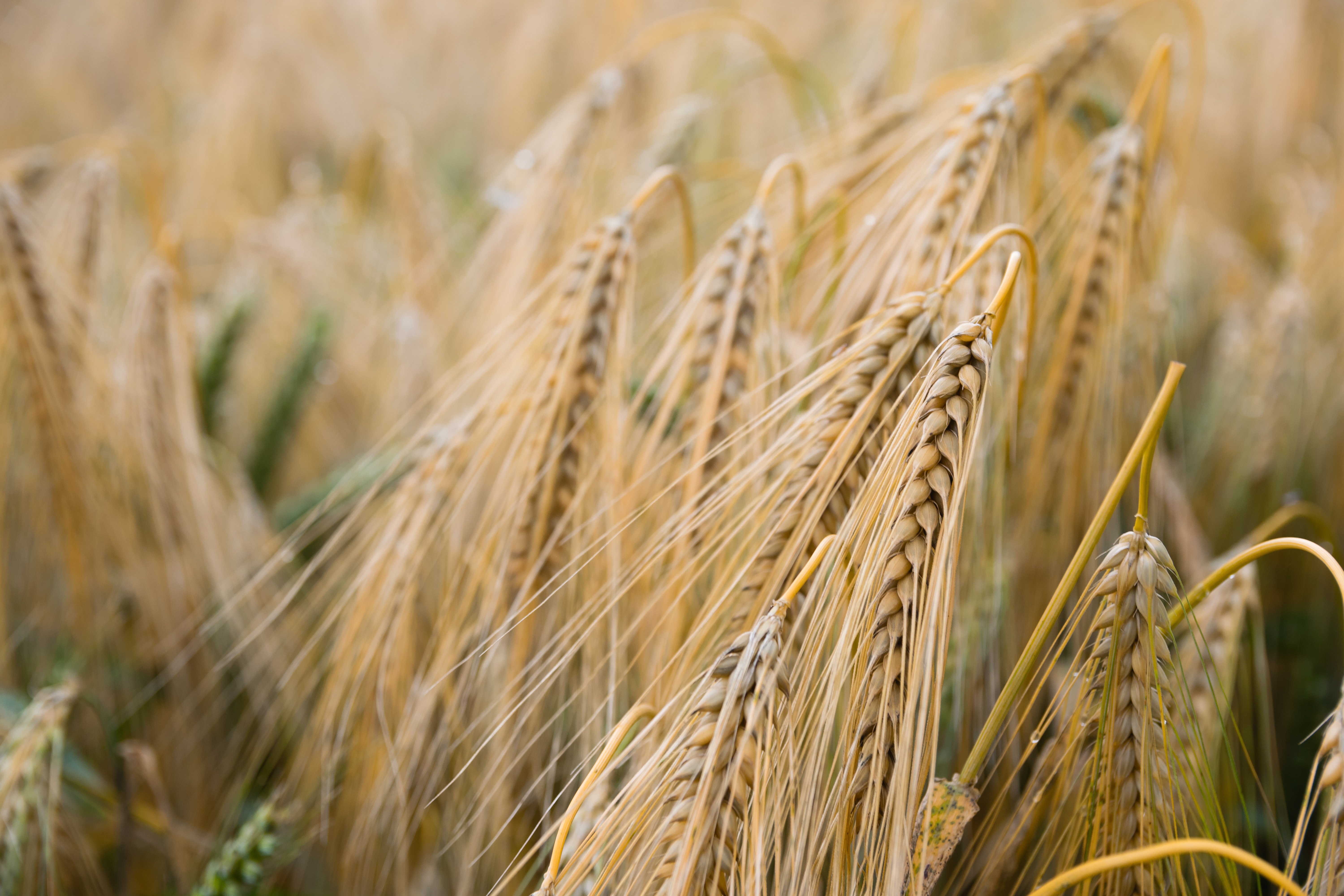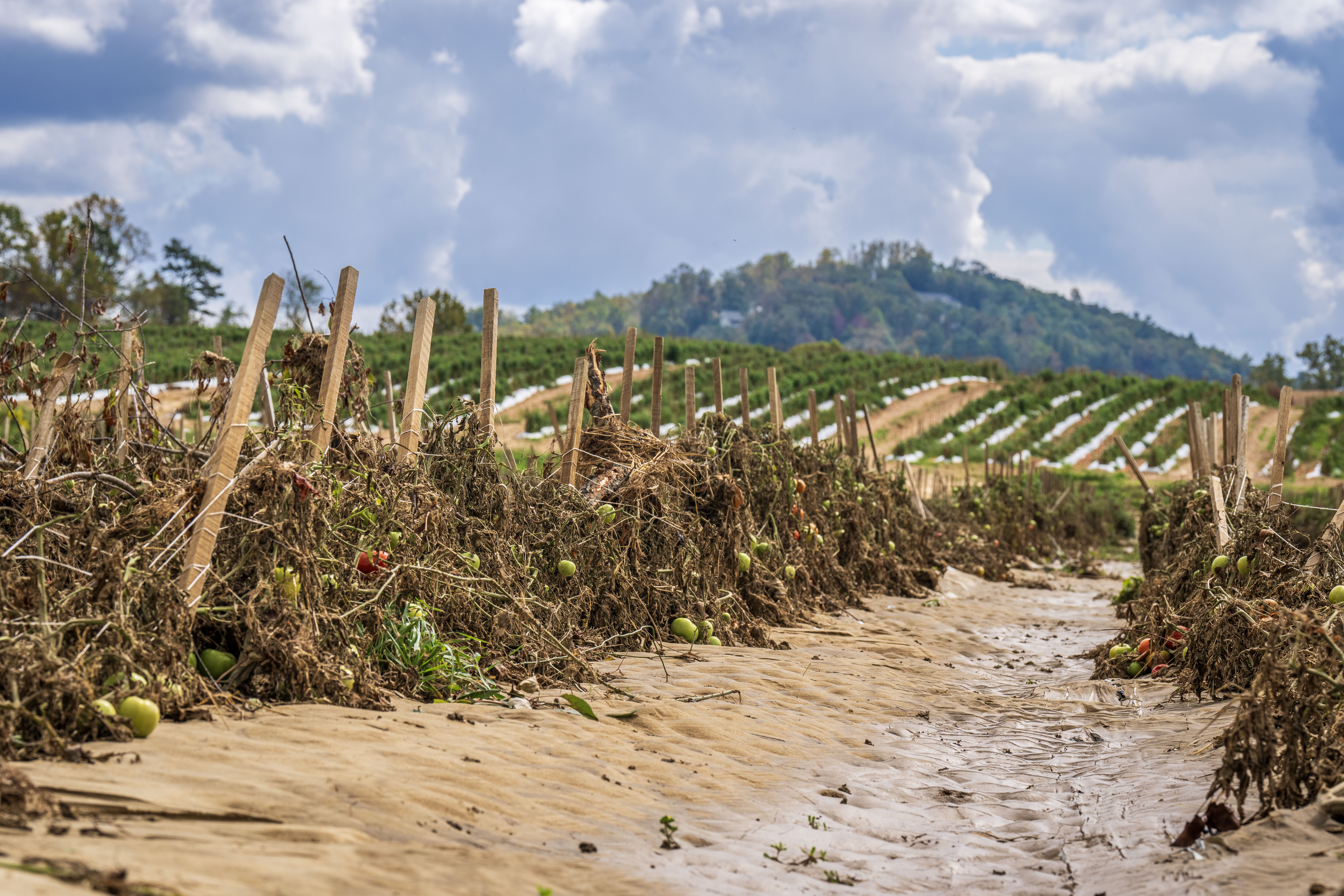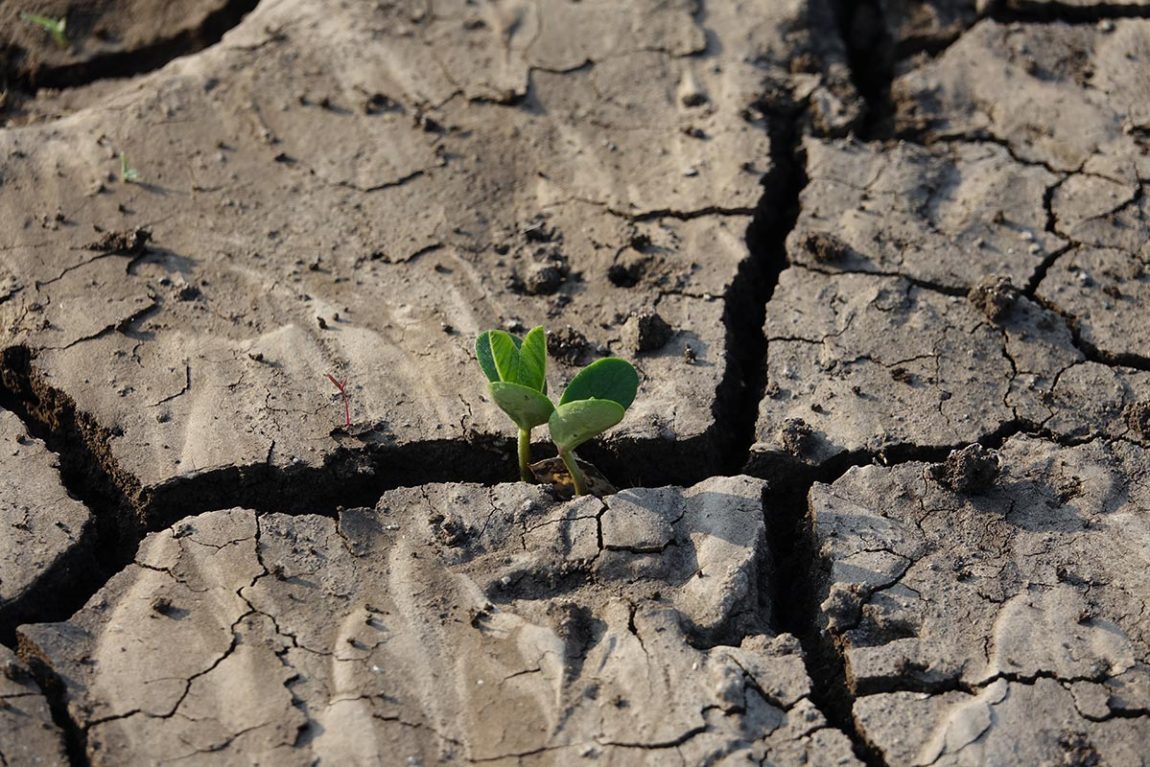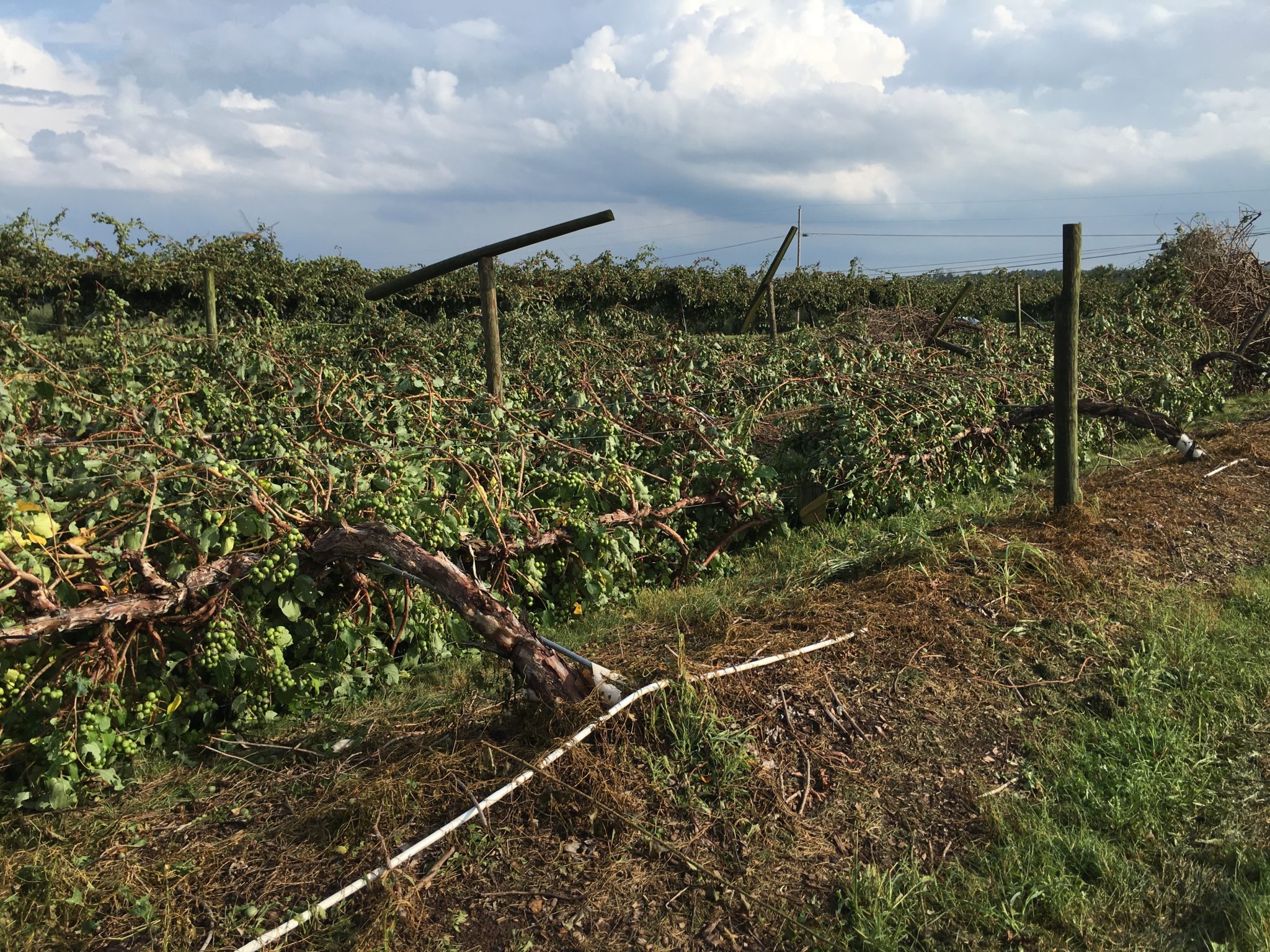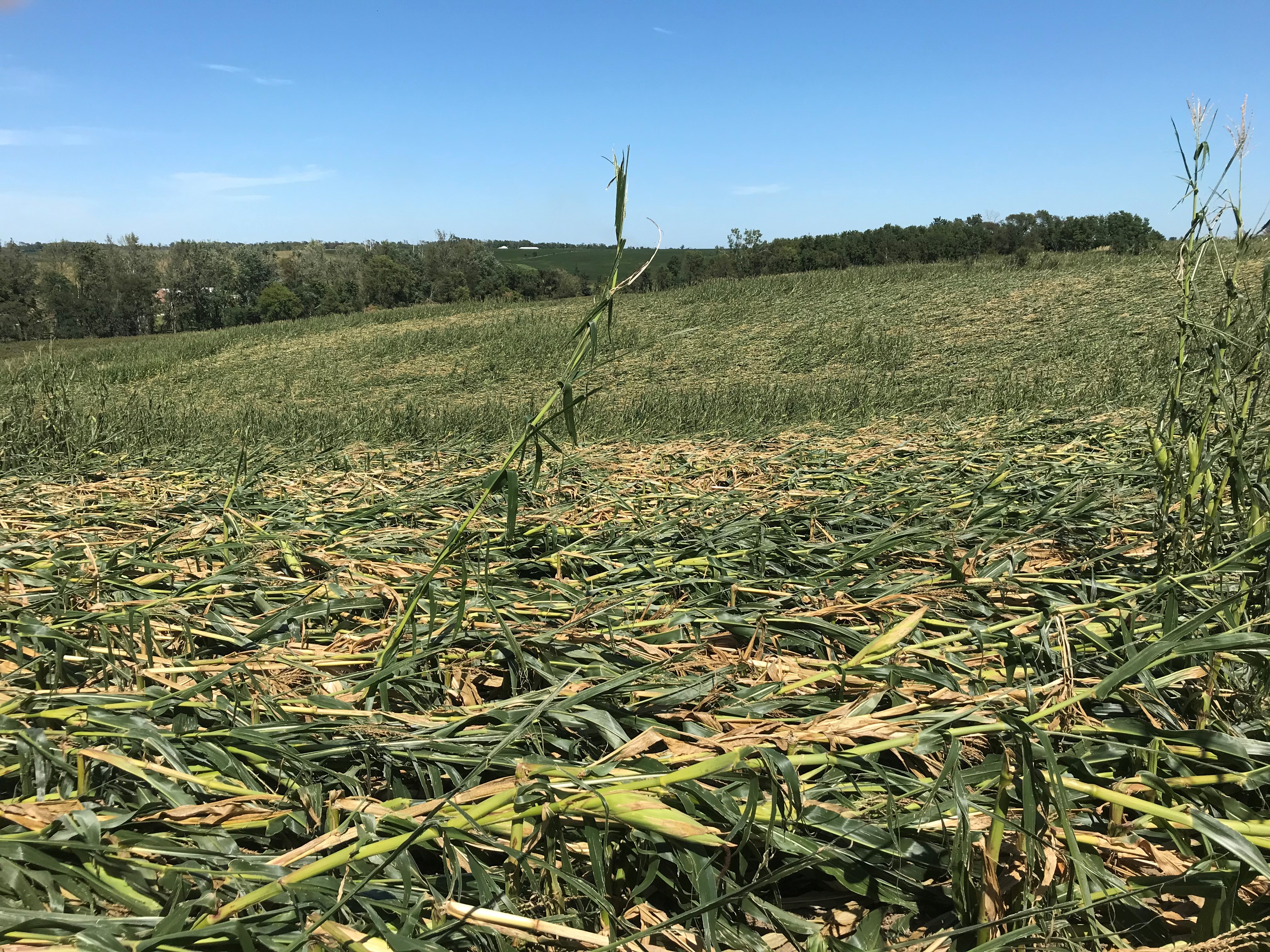
Gaza farmers' two-month-long "golden time" of agricultural production has been destroyed by Israel's military bombing and sealing of northern Gaza, ruining the enclave's richest farmlands which are one of its biggest sources of fruit and vegetables.
With Israel's actions also severely restricting humanitarian aid, the loss of local agricultural production is worsening malnutrition and hunger, leading to starvation and fears of worst to come for the 300,000 people estimated still now living in northern Gaza.
"The risk of genocide is increasing in northern Gaza because the Government of Israel is ignoring one of the key provisions of the International Court of Justice, to provide urgently needed basic services and humanitarian assistance," said Sally Abi Khalil, Oxfam's Middle East and North Africa director. Israel reported privately to the ICJ Monday.
Oxfam's partner organisation, the Palestinian Agricultural Development Association (PARC) – one of the biggest local organisations focused on agricultural support – estimates that nearly a quarter of northern Gaza's farm holdings were completely destroyed by Israel forces, which razed greenhouses and buildings and 70% of Gaza's fishing fleets in the initial days of bombings and incursion.
PARC Director of Operations in Gaza, Hani Al Ramlawi, told Oxfam yesterday that "these next two months should be the golden time of production. However, if farms haven't already been destroyed then they have been made impossible to access, because any farmer trying to do so will be directly targeted by Israel forces. And without water, and without electricity farmland means nothing."
Malnutrition is rife and there are reports of death by starvation. Oxfam partners talk of people drinking toilet water, eating wild plants, using animal fodder to make bread, and they speak about "catastrophic hunger" and their fear of famine without some breakthrough in access, aid and security. "You cannot imagine these conditions," Al Ramlawi said.
Juzoor, another Oxfam partner and one of the few organisations still operating in northern Gaza, reports similar fears about rising malnutrition and hunger. It introduced a vaccine program last month in the 13 shelters where it operates and also did nutritional screenings of 1,700 children there.
Juzoor Director, Dr Umaiyeh Khammash, told Oxfam yesterday that they found out that 13% of the children they measured there are acutely malnourished. Among them, around 55 to 60 children (3%) were suffering from severe wasting and underweight.
"This is a life-threatening condition," Khammash said. "They need to be managed in an advanced setup, a hospital or specific feeding program, none of which exist now in northern Gaza. If they are not going to receive proper management and supplementation immediately, in the coming days or weeks, those children are going to die."
There are perhaps 300,000 civilians still in northern Gaza who have been almost entirely cut off for four months and, according to Al Ramlawi, "left behind from an international humanitarian response that has pledged never to leave anyone behind", he said.
"The landscape is complete destruction, The farmers, the people, the animals have nothing. The minimum requirements to stay alive do not exist in North Gaza."
Palestinians in Gaza depend on local agriculture not just for their food but also their livelihoods. The sector is worth over $575m a year, Al Ramlawi said, and that the loss of crops for both sustenance and income "not only exacerbates the already dire humanitarian situation but will have severe long-term impacts".
"This crisis will lead to the overall collapse of Gaza's agriculture for many years to come."
PARC is still managing to deliver some aid locally, last week "we found a trader to provide warm clothes and other winterisation assets for around 100,000 people," Al Ramlawi said. "Food prices are crazy, most of the people in North Gaza cannot buy commodities. A kilo of flour has gone from five shekels to 180 – who can buy this?" He said the cost of providing a humanitarian food parcel was now three times more expensive in northern Gaza to procure than in Rafah, and at less quality.
"How many days, hours, seconds, do we need to wait to provide those people with the services and aid they need? Do we need to lose all the people in north Gaza? What are we waiting for? We need to convince the world to care about this issue," he said.
Source - https://www.miragenews.com