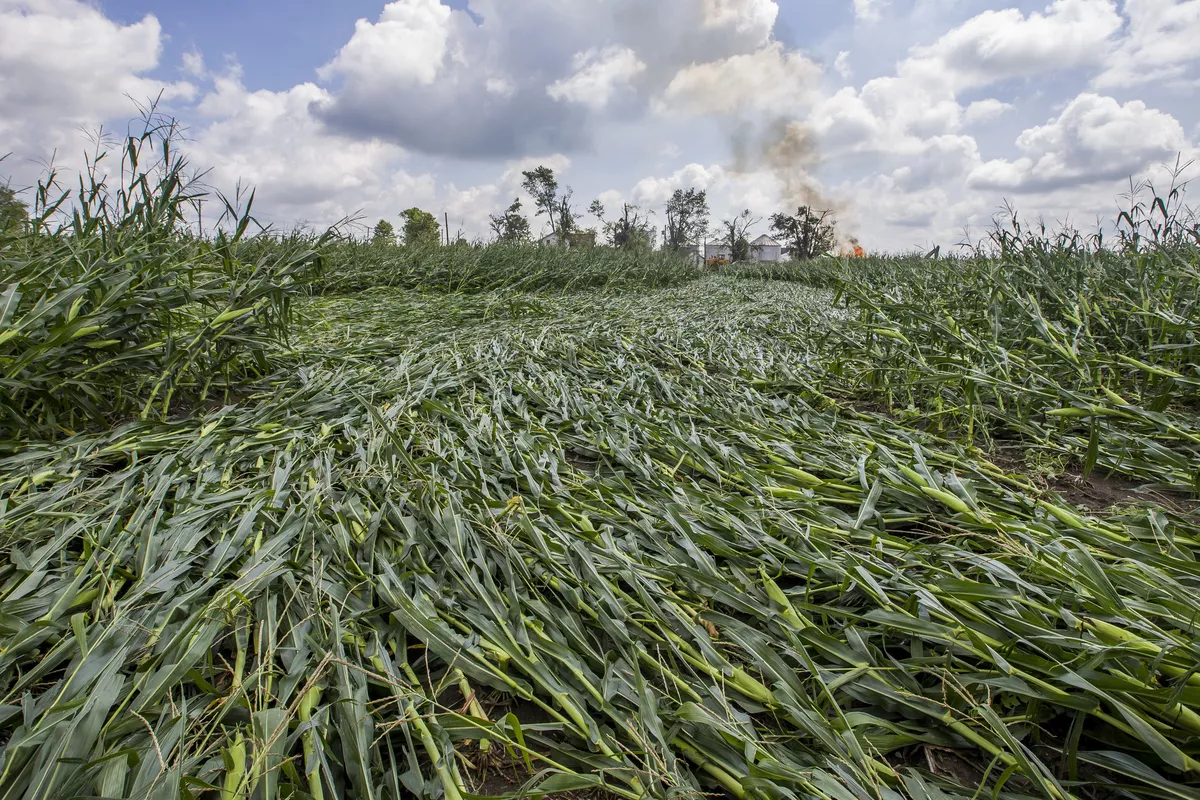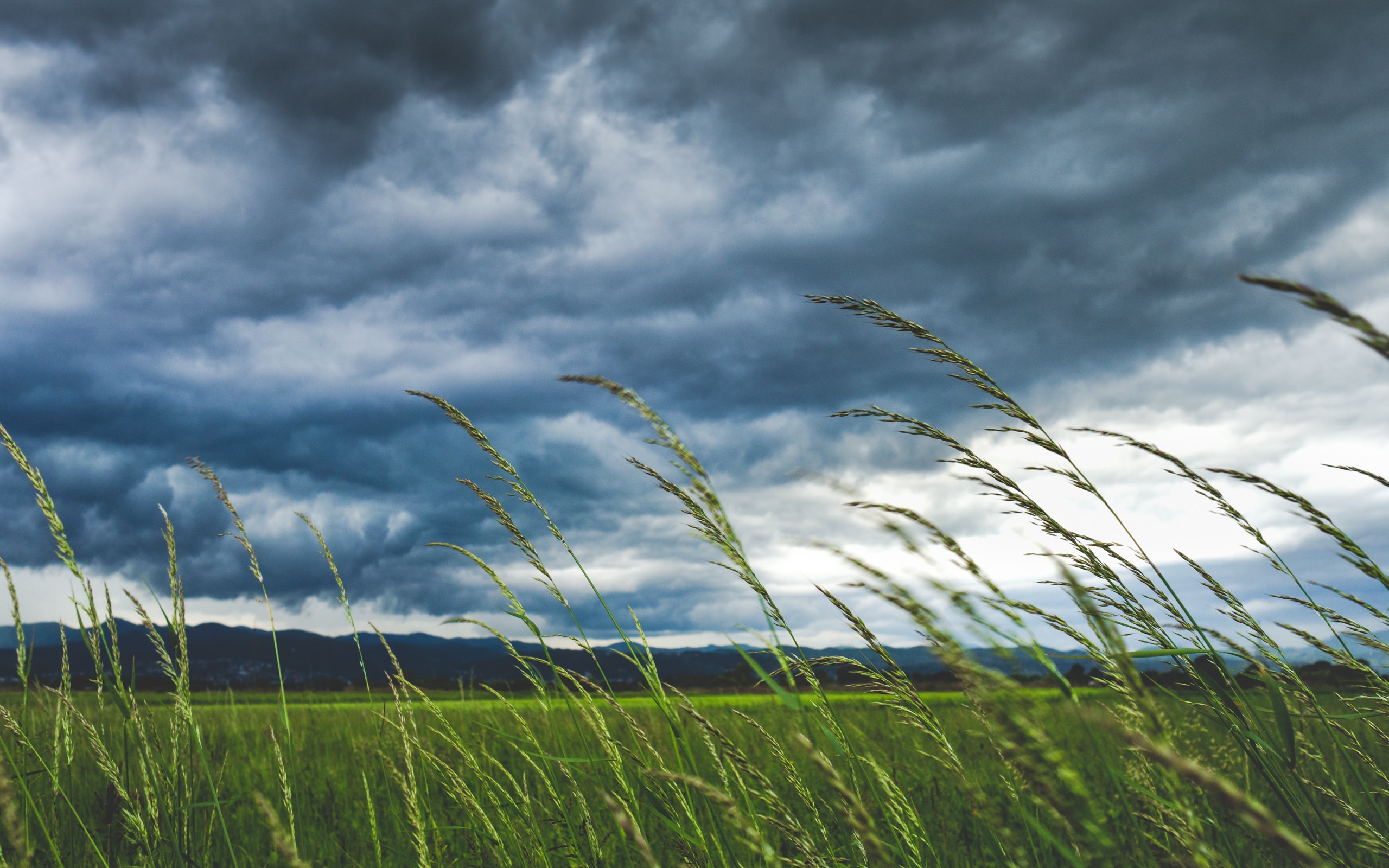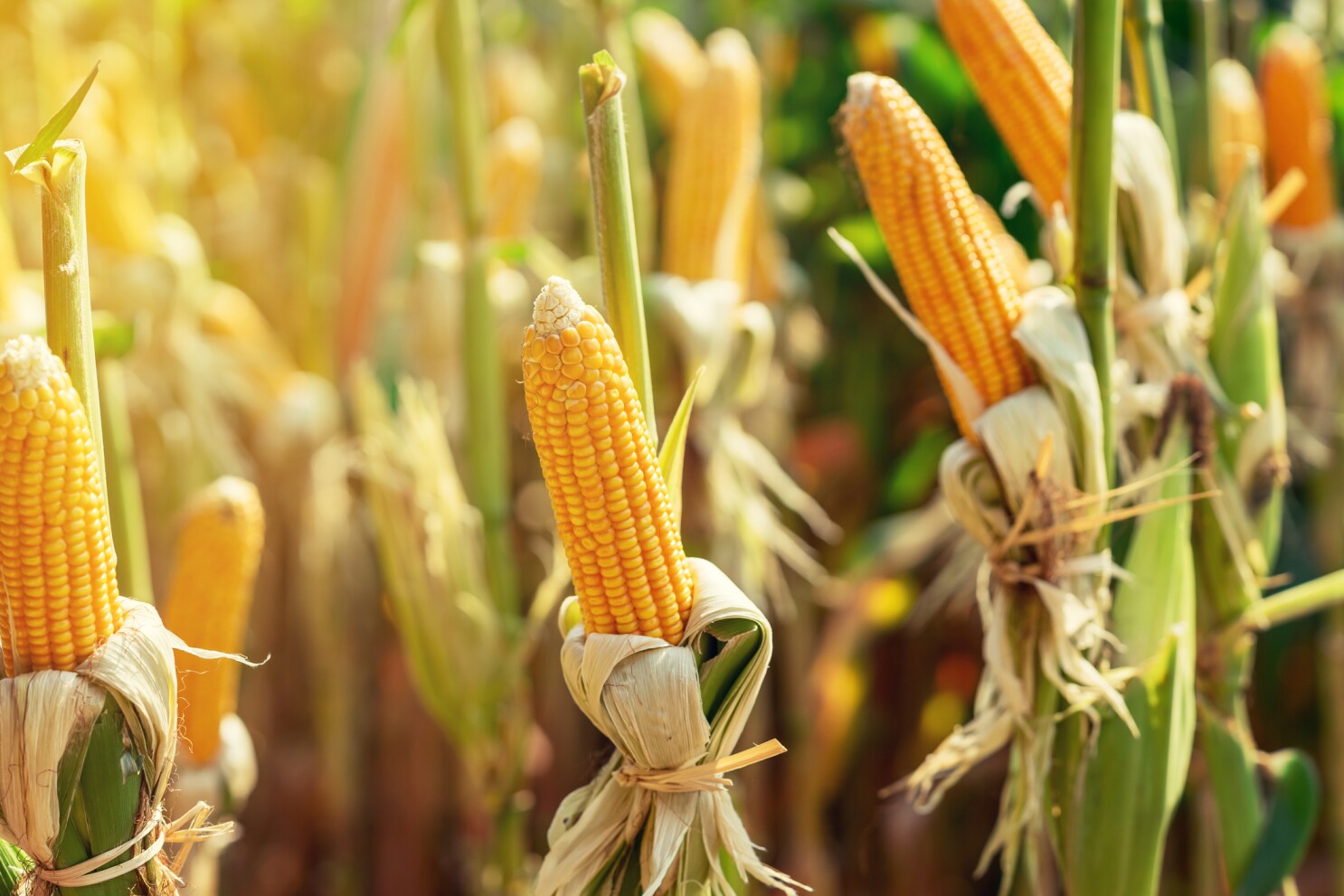
A freak combination of drought interspersed with night-time hailstorms is destroying crops and plunging children and families into hunger in the Peruvian Andes as the climate crisis and El Nino wreak havoc.
This comes as an agreement was reached at COP28 to ‘transition away’ from fossil fuels, falling short of the rapid fossil fuel phase-out needed to secure a just transition for children globally.
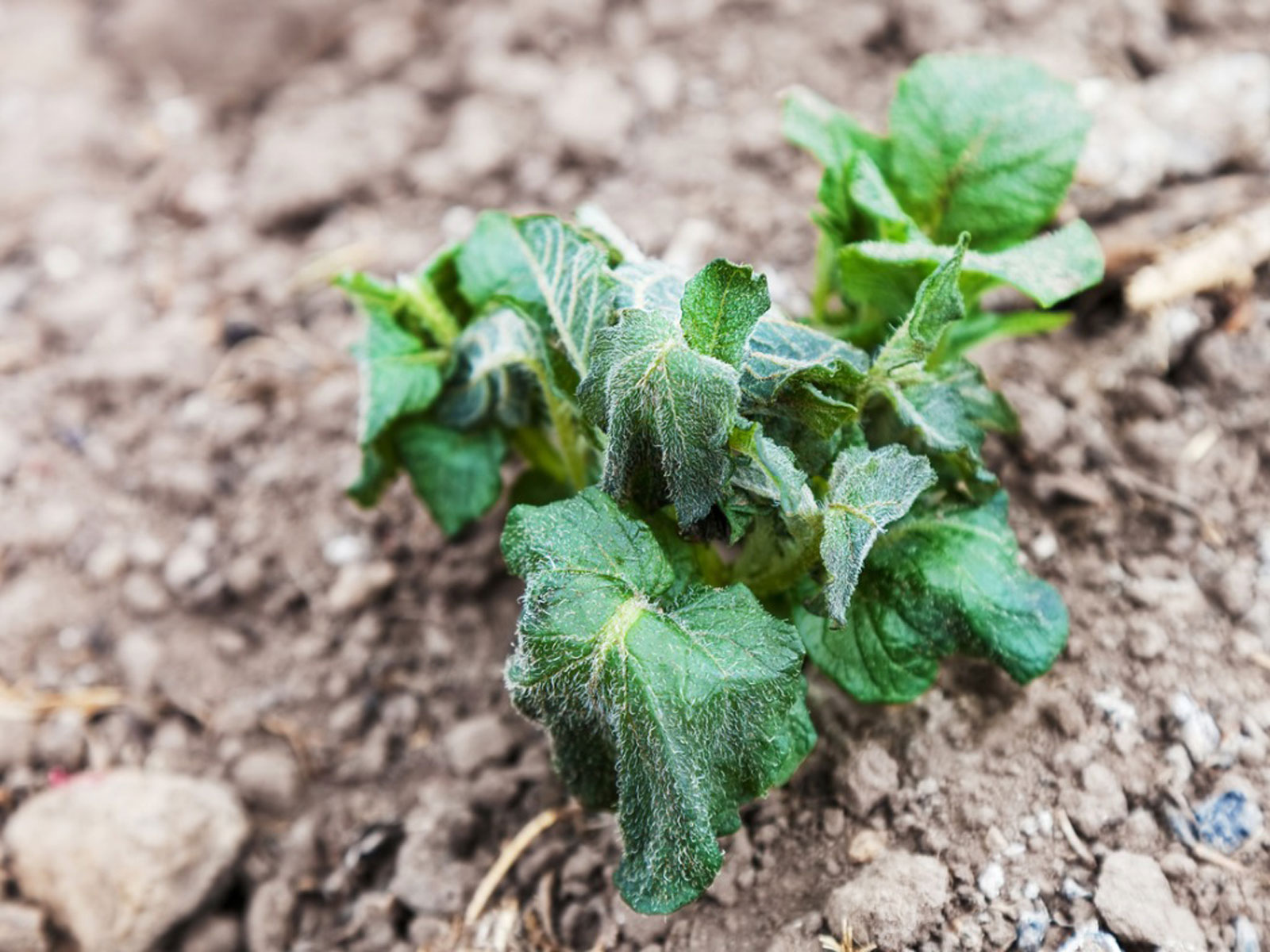
Farmers in the department of Junín – one of the highest and most drought-prone areas of Peru – said they are increasingly struggling to feed their children, with some seeing their entire potato fields wiped out.
Sonia, 37, lost her potato crop last year due to extreme weather. She said: “It’s not like it used to be and we’ve had a lot of changes: lack of rain, no water, it’s too dry. Now we only see a little bit of rain here. And then there’s the ice that comes in the night and freezes the ground.”
Sonia took paid work on other farms but she still had to limit her own food intake so that her children didn’t go hungry. She said: “I didn’t say anything to my children about the situation, I just brought food home for them and we would try to make one portion of rice or potatoes stretch longer. I was very worried, but what can I do about it, when the weather is like this?”
To diversify her income, Sonia has now opened a small shop and has bought some animals.
Junín is facing an unusually dry rainy season just as farmers hope for much-needed rains. The National Center for Estimation, Prevention and Reduction of Disaster Risk (CENEPRED) projects the coming months will see agricultural production fall 30% in Huancayo province.
For Alicia, 38, the drought and ice that freeze crops at night have reduced her harvest by a third over the past four years, forcing her and her family to make do with less but she is proud that her two sons, 15-year-old Mario and 10-year-old Juan Manuel, are still in school.
She said: “I want my kids to become professionals. I don’t want children to continue working here and doing what I’m doing, I want them to have a different life.”
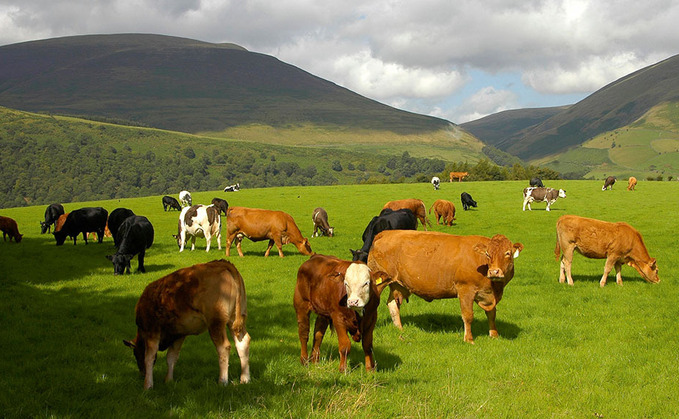
Between 2019 and November 2023, 1,110 water deficit and drought emergencies were recorded across Peru, resulting in the death of more than 34,000 animals and the loss of some 105,000 hectares of crops, according to the National Institute of Civil Defense (INDECI).
Almost one third of people in Peru (27.5%)[i] live below the poverty line, and in Junín more than half the population is food insecure (52.2%)[ii]. Lack of food can bring a multitude of health issues to children, with the latest national health survey showing 33.6% of children between 6 and 59 months of age suffered from anaemia in 2022, with the numbers higher in rural areas.
Recent Save the Children global analysis showed the number of children driven to hunger and malnutrition by extreme weather events in countries most vulnerable to climate impacts more than doubled in 2022. The analysis did not include Peru, but the child rights organisation fears this trend will increase as extreme weather becomes the norm across the world.
William Campbell, Country Director for Save the Children in Peru, said:
“As slow-onset disasters, droughts do not have the “shock factor” of other emergencies and often go unnoticed. But devastating humanitarian needs can arise gradually, often affecting the poorest families who are reliant on livestock and agriculture and perpetuating the cycle of poverty that impedes the lives, rights, wellbeing and opportunities of children.
“This crisis, unlike many others, is predictable. Save the Children has decades of experience working with communities, partners and governments to help children and families prevent, prepare and recover from disaster. We have the tools to project the impacts extreme weather will have on children and to support these communities to prevent or reduce these impacts – and we need more funding to allow us to continue our work in these communities.”
Since January 2022, Save the Children has been working in Junín with partners, the National Meteorology and Hydrology Service (SENAMHI) and Descocentro, to build up resilience to droughts and extreme weather events through anticipatory action work. These included a tool called an Agrometeorological Information System (SIA), which provides communities with information about climate risk with a three-month lead time to prepare for actions.
Save the Children has worked in Peru since 1980 in disaster risk reduction, humanitarian response, education, protection and health. Between 2022 and 2023 we reached 281,434 people including 99,968 children and adolescents.
Source - https://www.savethechildren.net