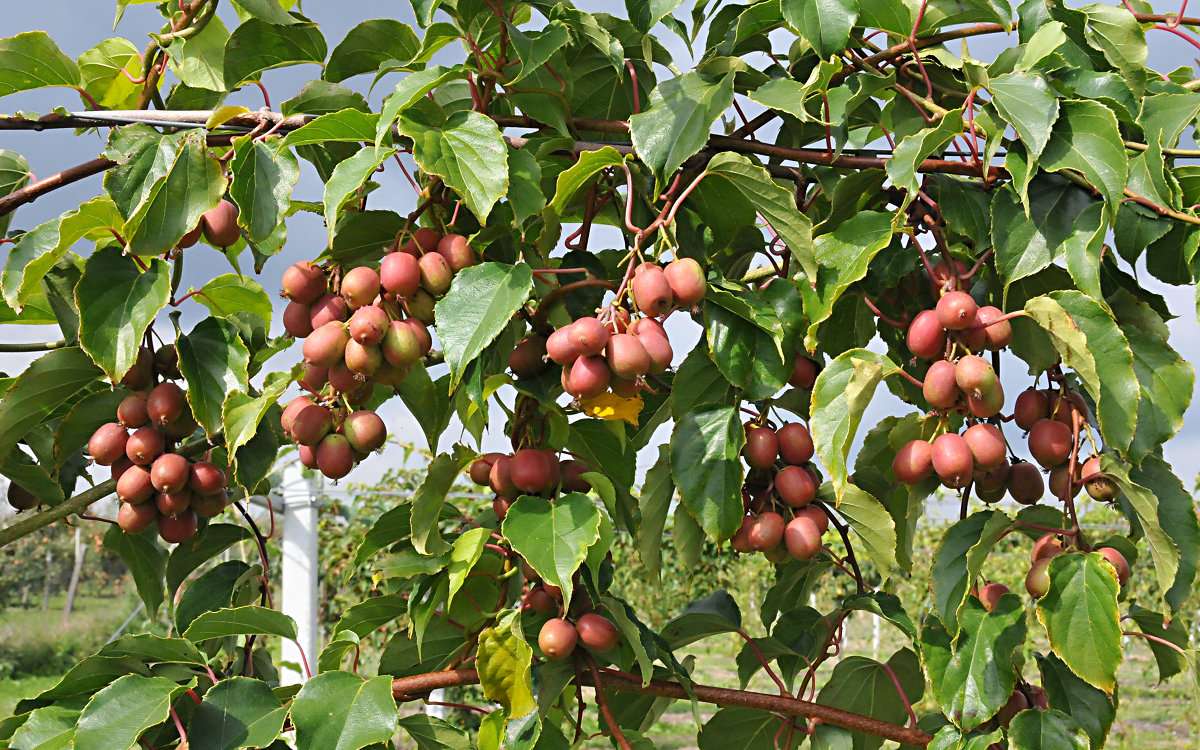
The weather in Portugal has proven an unstable factor when it comes to the cultivation of kiwiberries, says Filipe Gomes, export manager for Portuguese fresh produce exporter Twinkle Green: "So far, the mini kiwi season has been going on with ups and downs. In the north of Portugal, the weather has been very unstable. We have days with high temperatures and then the following day there are mild temperatures with some rain, it has been like this since spring. At the moment, we're in the last phase of maturation, but due to the unstable weather we are unable to accurately predict the start of the harvest."
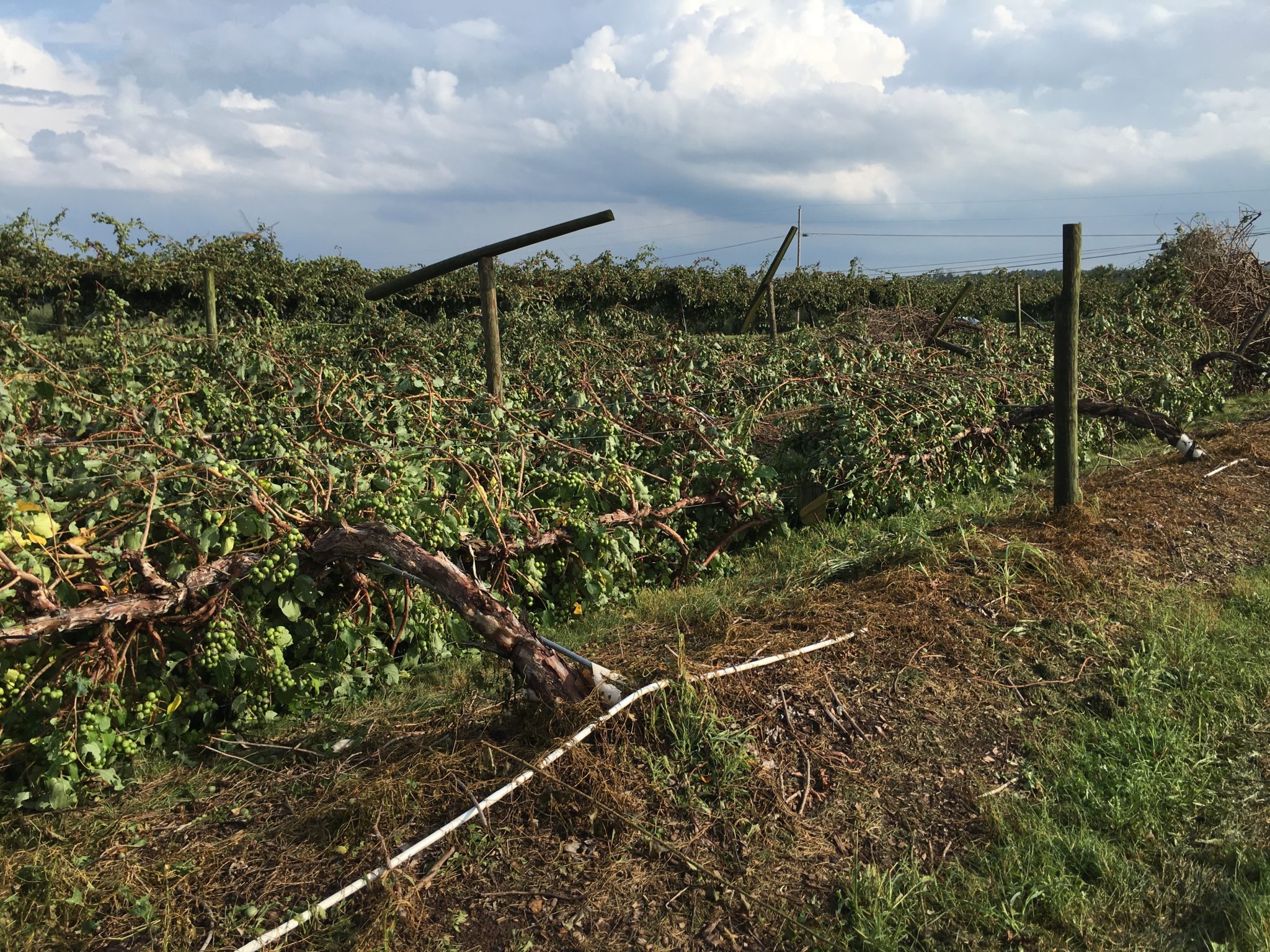
According to Gomez, the weather conditions could result in lower available volumes of kiwiberries this season. "I believe that the weather will have an impact on the mini kiwi production this year. We'll have lower production than in the previous season, despite the fact it was expected to have more production due to the evolution of the plants. But the quality will certainly be superior, we have a high percentage of berries with a superior caliber. This loss of volume is due to the fact that we don't have much cold in winter, resulting in abnormally early flowering, during a period of wind and rain, even if slight, which has made the pollination of the flowers unsuccessful and caused losses of about 50 per cent. The sales volume will be very close to the levels of the previous season."
Gomes states that the kiwiberry is gaining popularity, as proven by the export markets of Twinkle Green: "The demand for mini kiwis increases every year. It's true that the increase is slow but constant. Every year we have new contacts interested in these berries. For example, last year we started working with customers in the Netherlands, Czech Republic and Canada, and this year we are already organizing exports to England."
"As the mini kiwi is still an unknown fruit for many, our biggest challenge is to get these berries, so rich in vitamins and health benefits, to a larger number of people. To this end, we encourage our commercial partners to make a greater marketing effort, passing on our knowledge and all the necessary support. In this sense, we are also doing our part by launching a website, which will soon be completed. It'll be a valuable source of information and knowledge for customers of our Kiwitos brand, which we've launched in 2023 for the market, in plastic-free and 100% biodegradable packaging," Gomes concludes.
Source - https://www.freshplaza.com