A desert plant that thrives in extreme heat may help scientists engineer future crops for an increasingly warm world.
Life in places like California’s Death Valley pushes everything to its limit. Temperatures rise past 120 degrees Fahrenheit. The light is harsh, the soil is dry, and most plants wilt fast. Yet one low growing species stays green and even grows stronger. If you have ever felt the pressure of rising heat on your own body, you can understand why this tiny survivor is drawing so much interest from scientists who hope to protect the world’s food supply.
That plant is Tidestromia oblongifolia, a small flowering species native to the desert Southwest. It does not look like a pioneer of climate resilience, but researchers say its unusual biology may offer clues for how crops can keep producing as global temperatures rise.
A Desert Native That Refuses to Slow Down
When a team from Michigan State University began studying this plant, they wanted to know how it manages to thrive where even tough desert species struggle. As Research Specialist Karine Prado put it, “When we first brought these seeds back to the lab, we were fighting just to get them to grow.” It was only after the team recreated Death Valley’s brutal conditions that the seeds revealed their nature.
Inside custom growth chambers that mimicked the desert’s swings between scorching days and warm nights, the plants exploded with growth. They tripled their biomass in ten days. In that same setup, close relatives often praised for heat tolerance stopped growing.
Within just two days, the plant shifted its photosynthetic comfort zone upward. After less than two weeks, it operated best at 45 degrees Celsius. No widely grown crop comes close to that level of tolerance.
“This is the most heat tolerant plant ever documented,” said Research Foundation Professor Seung Yon “Sue” Rhee. That discovery alone offered a spark of hope for scientists searching for ways to protect agriculture.
How a Plant Learns to Live With Heat
When you spend time in extreme heat, your heart works harder, your breathing changes, and every action takes effort. Plants face similar stress. Their proteins begin to fold, membranes weaken, and photosynthesis slows.
Tidestromia avoids this breakdown through a set of finely tuned adjustments. The MSU team found that its mitochondria shift toward the chloroplasts, which are the sites of photosynthesis. Even more unusual, the chloroplasts themselves reshape into cup like forms. These shapes appear to help recycle carbon dioxide inside the leaf, keeping energy production steady when temperatures rise.
Thousands of genes also change their activity within a day. Many protect cell structures, stabilize proteins, and clear harmful byproducts created during heat stress. One key gene increases production of Rubisco activase, an enzyme needed to keep photosynthesis running. Most crops lose this function at high temperatures. Tidestromia keeps it going.
These traits match earlier findings from other studies of the species. Researchers had already documented that the plant adjusts its light harvesting complexes to shed excess energy and limit damage. It also controls its stomata to hold water more efficiently while keeping carbon dioxide flowing. Its roots continue pulling moisture from dry soil when many plants would shut down.
Each of these responses helps it endure heat that would devastate farmland.
How Evolution Built a Heat Specialist
Because the plant belongs to a group of species that include less heat tolerant relatives, scientists can trace how its abilities evolved. That comparison revealed genetic changes linked to carbon fixation, protein stability, and stress protection. As one researcher explained, “These adaptations didn’t appear all at once. They accumulated gradually, shaped by millions of years of selective pressure in hot desert environments.”
Studying that progression offers a rare look at how plants can re engineer themselves over time. For modern agriculture, the lesson is clear. A single genetic fix is unlikely to create a heat resilient crop. True resilience comes from many small traits working together.
A Living Guide for Future Farming
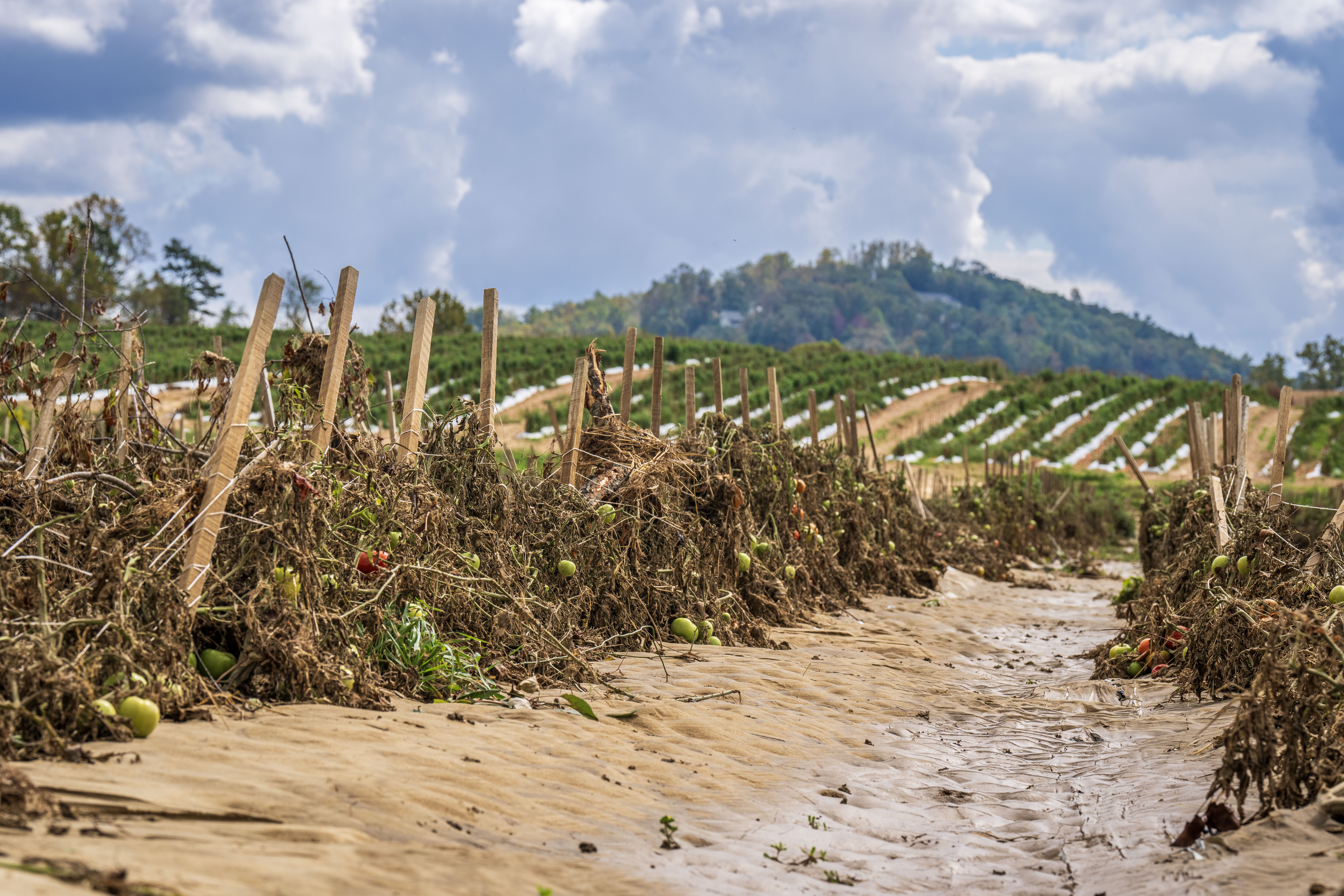
Climate change is already reshaping fields worldwide. Heat waves have become longer. Droughts are more intense. Farmers in southern Europe, parts of India, the American Southwest, and across Africa are seeing harvests shrink. Heat often pushes crop temperatures past 30 or 35 degrees Celsius, where productivity drops fast.
That makes Tidestromia’s abilities extremely valuable. It keeps functioning far above those limits. The MSU team believes its genetic tools can guide efforts to develop crops that stay productive under more extreme conditions.
Rhee sees desert species as an overlooked resource. “Desert plants have spent millions of years solving the challenges we’re only beginning to face,” she said. Advances in genomics and imaging now make it possible to study those strategies in detail. Her team is already examining how to transfer some of the key traits into major crops.
Prado sees the broader picture. “This research doesn’t just tell us how one desert plant beats the heat,” she said. “It gives us a roadmap for how all plants might adapt to a changing climate.”
A Humble Plant With a Big Role Ahead
Tidestromia oblongifolia may not catch your eye on a desert walk. It grows close to the ground and carries small leaves with a soft gray tint. Yet inside that modest shape is a biology built for heat, drought, and searing sunlight. It protects every layer of its cells, keeps energy flowing, and uses water wisely. Its entire system works as a coordinated shield, not a single trick.
As conditions shift across the planet, lessons from this desert native could shape how future generations grow food. Survival often begins with understanding the organisms that have already found answers.
Practical Implications of the Research
This work offers a realistic path for creating crops that can handle rising global temperatures. Traits such as heat stable proteins, improved water control, stronger antioxidant defenses, and more flexible photosynthetic systems could help protect yields in vulnerable regions.
By studying how Tidestromia coordinates many protective responses at once, researchers can design breeding or biotechnological strategies that build true resilience rather than temporary fixes.
These discoveries may support food security, help farmers adapt to climate pressure, and reduce crop losses during heat waves.
Research findings are available online in the journal Current Biology.
Source - https://www.thebrighterside.news