Frosts and droughts have caused severe damage to fruit and vegetable crops in Serbia this year, raising concerns for growers and traders. Farmers are requesting government support to help recover from losses.
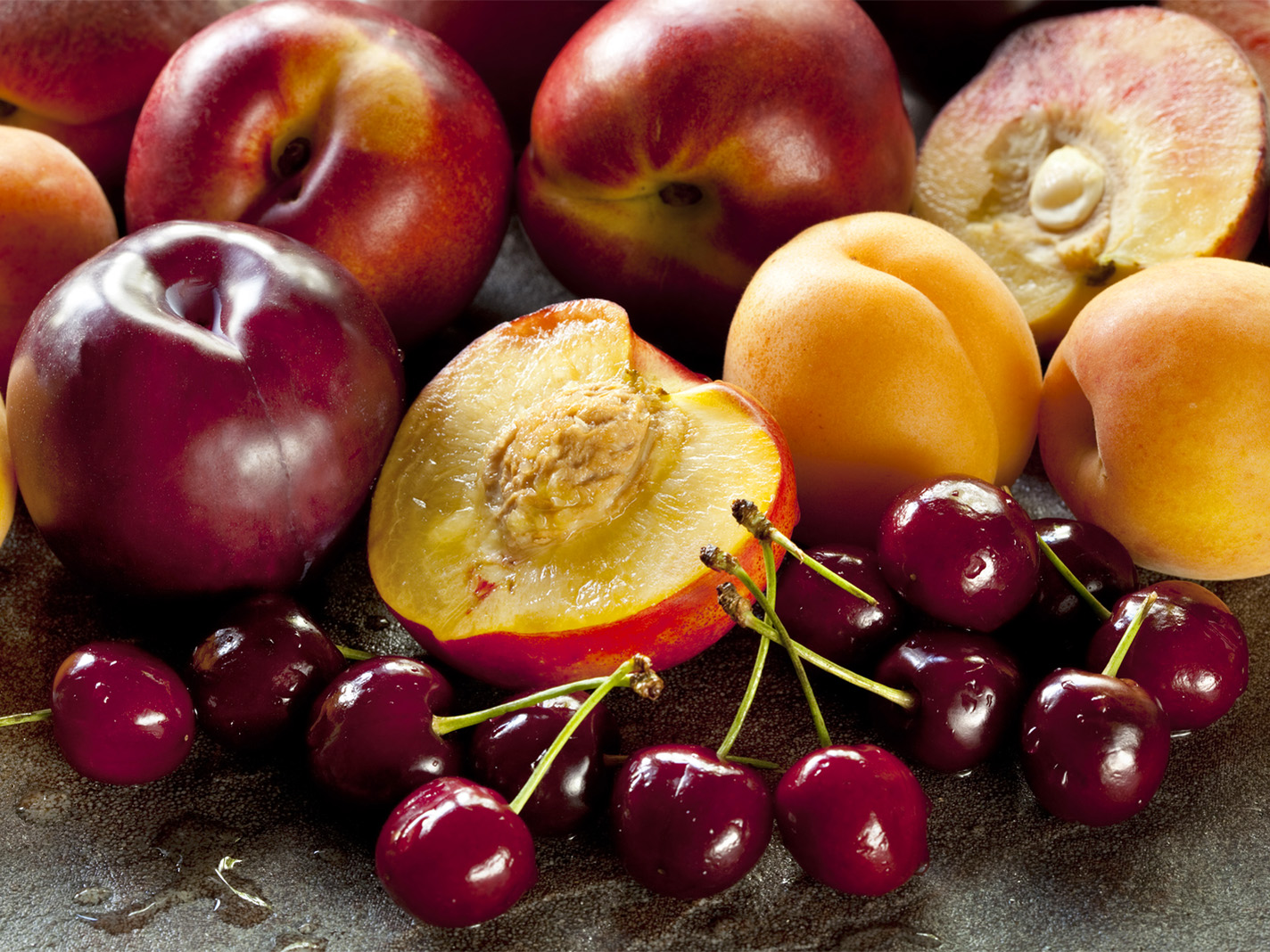
The late spring frost destroyed around 80% of apricots and 65–70% of early cherries, with further losses reported for peaches, sour cherries, and plums. Experts estimate fruit production losses between 30% and 90%, depending on crop and region. Cherry yields, originally forecast at 30,000 tons, may end closer to 10,000–15,000 tons. The hardest-hit regions include Šumadija, western Serbia, southern Banat, and the Subotica-Horgoš area.
Forecasts suggest total fruit production will be around 1.1–1.5 million tons, down from the 2020–2023 annual average of 1.46 million tons. In 2023, production had already fallen to 1.25 million tons. According to experts, this year's frost could reduce volumes by approximately 200,000 tons, leading to higher imports.
Prices for fruit have already increased. The National Bank of Serbia reported that July fruit prices were 36% higher than the previous month, attributing this to frost and drought. Governor Jorgovanka Tabaković said the weather conditions lowered yields and pushed prices upward, adding that insurance and financial measures are being introduced to mitigate risks.
Professor Marija Ćosić from the Faculty of Agriculture in Belgrade stressed that the drought should be declared a natural disaster. She estimated crop losses above 50% in some regions and said fruit will be scarce and expensive. "It seems to me that corn prices, for instance, when we talk about strategic crops, will be exceptionally high, just as the purchase prices for fruits, cherries, and sour cherries are currently due to reduced yields. This is expected to be the case with other fruit crops as well, as they will be increasingly scarce," she said.
Ćosić highlighted the need for irrigation and better crop management. She said user associations should be established to manage irrigation and that more resilient and shorter-cycle fruit varieties should be prioritized.
Economist Saša Đogović said Serbia has long lacked a proactive agricultural policy to adapt to climate change, pointing to insufficient investment in irrigation and protection systems. Agricultural economist Milan Prostran noted that fruit growers face one of the most difficult years in recent memory, with frost and drought heavily reducing output. He called for urgent measures such as tax exemptions, deferred loan payments, and the creation of a national risk fund to support fruit producers.
Source - NIN online