Western Cape Agriculture MEC, Dr Ivan Meyer, has urged the agriculture sector to take the necessary measures to protect lives, livestock, crops and agricultural infrastructure amid the continued extreme heat and numerous veld fires across the province.
Western Cape MEC for Agriculture, Dr Ivan Meyer, said his first concern is for agri-workers, producers and farmers, who are daily exposed to harsh climatic conditions.
Meyer said climate change has a dramatic impact on weather patterns and in extreme conditions, poses a threat to the lives of agri-workers and producers.
“The department recognises the impact of climate change and disasters on the agricultural sector. The increase in both the frequency and intensity of disasters has necessitated the need for the department to focus on disaster risk reduction and mitigation strategies,” Meyer said.
The MEC said early weather warnings are distributed as and when needed to all stakeholders.
The department’s Director: Sustainable Resource Use and Management, Ashia Petersen, said during high fire seasons, the establishment of fire control committees is essential and open-air fires are strictly prohibited.
“In general, an alarm system, firefighting teams and plans must be prepared in advance to mitigate the impact of a wildfire. It is extremely important to know the contact details of the closest fire/emergency response unit,” Petersen said.
Petersen warned that during extremely hot conditions, animals may suffer heat stress.
“Heat stress can greatly impact cattle producers through decreased milk production and subsequent calf growth, decreased reproductive performance in livestock and decreased stocker and feeder performance,” Petersen said.
The department said it will continue to work closely with district disaster management centres, including the provincial disaster management centre and organised agriculture, to ensure that farmers receive the necessary support when dealing with disasters.
What to do during veld fires
During veld fires, farmers should move livestock to safety and out of grazing land to ploughed fields.
If water is not available in sufficient quantities or at adequate pressure for the control of major fires, sand or other loose mineral soil material can be an effective method of control.
Farmers must ensure that a firebreak is reasonably free of material capable of carrying a veld fire across it.
“The farming communities should also establish fire protection associations to prevent and control veld fires; and insure crops/livestock against financial loss due to fire damage,” the department said.
Advice to livestock and crop farmers:
• Identify animals that are most susceptible to heat stress.
• Develop an action plan for heat stress.
• Animals in heat stress need to drink water.
• Move the animals’ feeding time to late afternoon or evening.
• Provide shade if possible. Air movement also promotes animal cooling.
• Cool the ground and the animals gradually and add bedding to the ground (this will reduce the ground temperature).
• Control flies as much as possible.
• Do not work cattle during extreme temperatures.
• Pay attention to long- and short-term weather forecasts and keep a copy of the temperature humidity index chart handy.
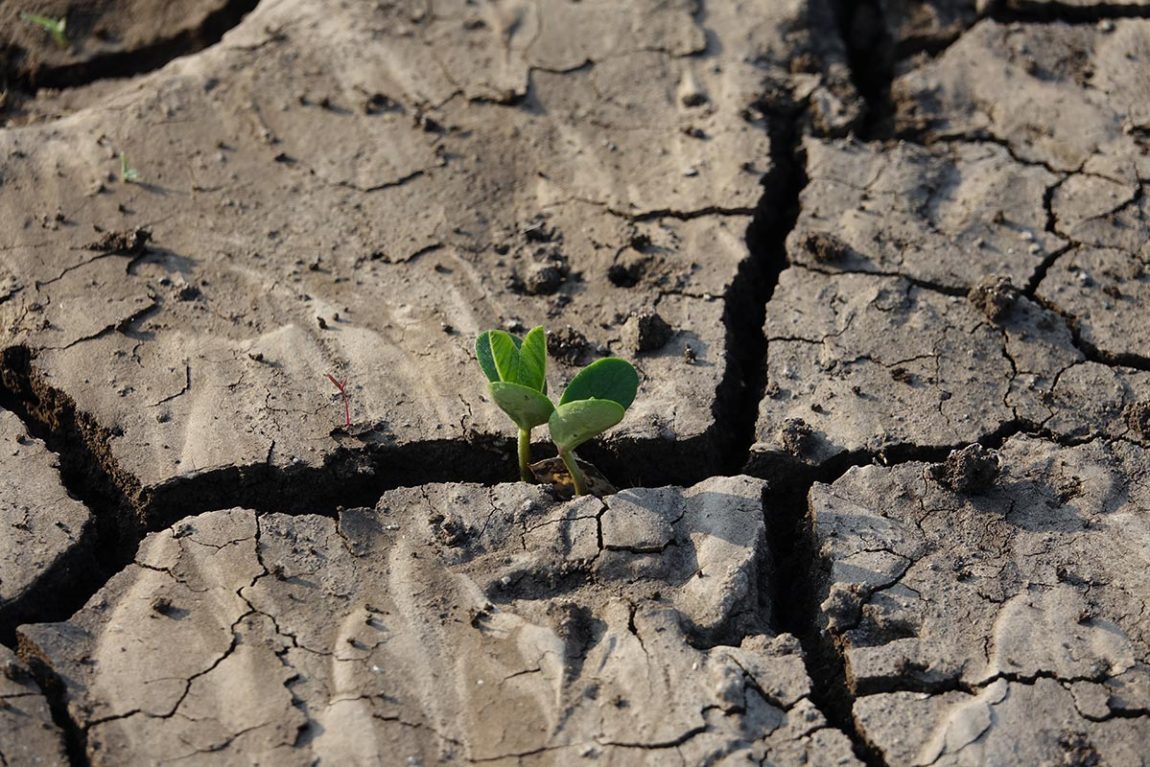
• Do not irrigate during the day, as more water will evaporate. Instead, irrigate early in the morning.
• Select heat and drought-resistant crops for the area in which you are farming.
• Use mulch to minimise evaporation.
Source - https://www.sanews.gov.za