South Africa - Black frost and rains cause widespread crop damage

10.07.2024 399 views

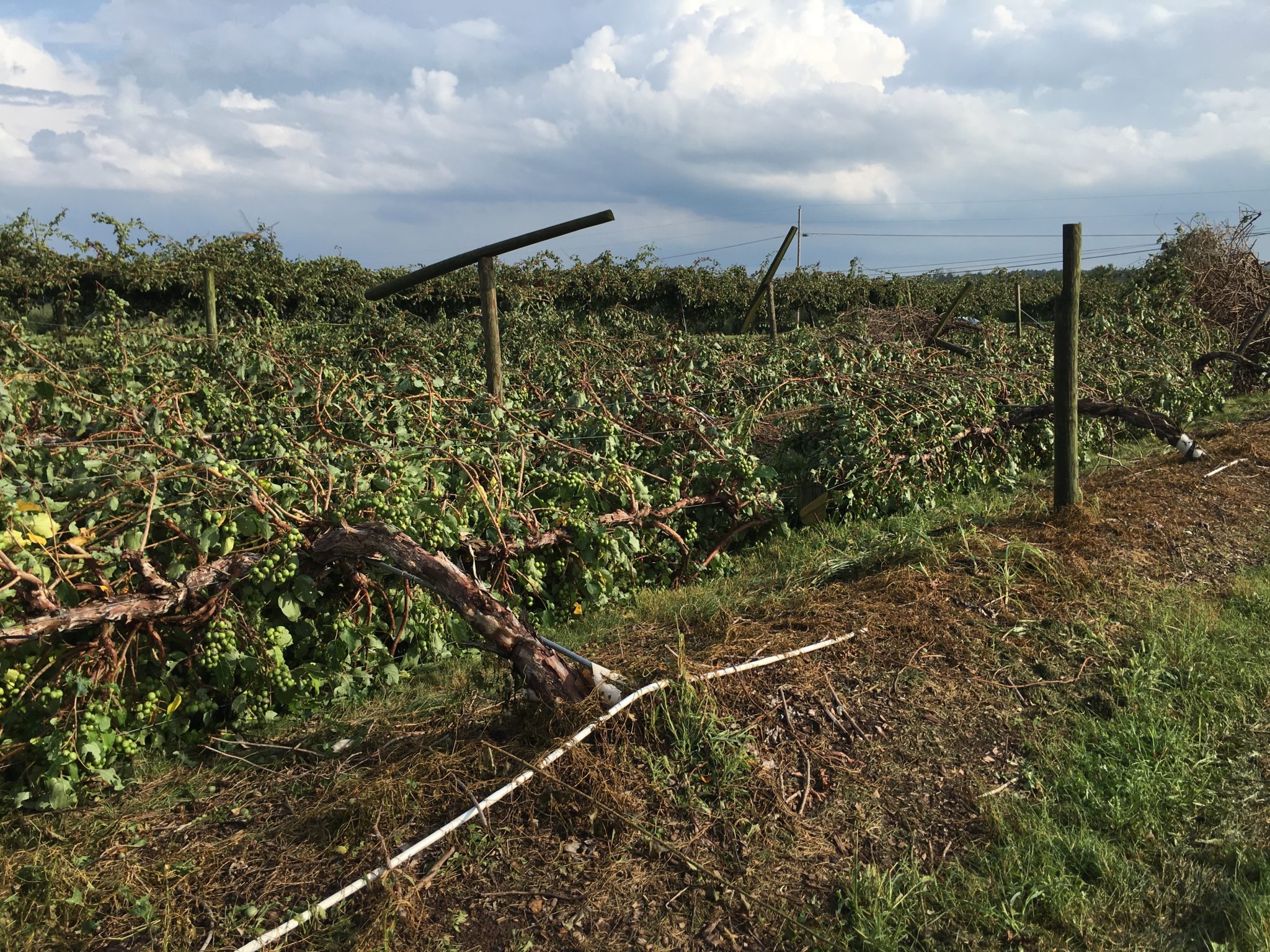
Limpopo farmers are facing a bleak outlook after a weekend of black frost swept across the province, causing widespread damage to crops and infrastructure.

According to TLU SA’s north region chairperson, Henk van de Graaf, reports indicate “tremendous losses” to potatoes, tomatoes, and various vegetables. Areas like Vivo, Levubu, Marble Hall, and Bela-Bela were particularly hit hard.

Weather havoc

“Potato farmers are especially vulnerable,” says Van de Graaf, “having already suffered in previous seasons.” He urged financial institutions to offer support to these struggling farmers.

TLU SA is calling for a comprehensive damage assessment. They are urging all affected producers to report details like location, crops impacted, and estimated losses to their regional offices or Danie Prins, the regional manager.

Furthermore, TLU SA is requesting a visit to the affected areas from Limpopo’s MEC for agriculture, Grace Kekana, and national minister of agriculture, John Steenhuisen, to assess the situation and explore possible assistance programs.

Adverse weather warnings for Western and Northern Cape

Meanwhile, the South African Weather Service (SAWS) said that in the week ahead, residents of the Western Cape are advised to remain vigilant, as further winter weather systems can be expected to affect this region.

“Heavier and more disruptive snowfall of 15cm to 30cm that may lead to the closure of roads and mountain passes, as well as the loss of vulnerable livestock, can be expected over the southern high ground of the Northern Cape and the western high ground of the Western Cape,” SAWS said.

The weather service further advised the public and small stock farmers to take the necessary precautions ahead of the expected adverse weather conditions to ensure the safety and well-being of their animals.

“Very rough and high seas (with wave heights of 6 to 9 metres) are expected along the Western Cape and Northern Cape coast on Sunday, spreading to the coast of the Eastern Cape.

“This may result in damage to coastal infrastructure, disruptions to harbours and ports, danger to life, and pose a risk to medium to large vessels,” the weather service said.

Eastern Cape Agriculture spokesperson Eben du Plessis said the warning systems were in place for farmers with small livestock to take the livestock into shelter and prevent losses and damages.

Source - https://www.foodformzansi.co.za

12.01.2026

South Africa - Farmers demand access to vaccines as foot-and-mouth disease devastates KZN

KwaZulu-Natal farmers and agricultural organisations are escalating pressure on the state over the uncontrolled spread of foot-and-mouth disease (FMD), warning that vaccine shortages and bureaucratic delays have left the province on the brink.

12.01.2026

Nepal - Ilam farmers hit by insurance gap

Although the government has prioritised agricultural insurance, there is virtually no crop insurance in Ilam. 

12.01.2026

Vietnam - Farmers devastated after harsh weather decimates crucial crops

Hundreds of farmers in the Quỳnh Thắng area of Nghệ An, Vietnam, have lost numerous pineapple crops due to prolonged rain and humidity. 

12.01.2026

Rwanda - Demand first, production second: How Afri Foods builds export-ready supply chains

Operating through a network of more than 500 smallholder farmers, Afri Foods is a young Rwandan agrifood exporter positioned at the intersection of gender inclusion and technology-enabled scaling. The company was founded in 2019 by Sakina Usengimana and currently focuses on avocados and chilies.

12.01.2026

Flowers bloom on cocoa trees ahead of Ivory Coast's mid-crop season

Mainly above-average rains last week in most of Ivory Coast’s main cocoa regions augur well for the development of the next April-to-September mid-crop, farmers said on Monday.

12.01.2026

Overlooked decline in grazing livestock brings risks and opportunities

For decades, researchers have focused on the problem of overgrazing, in which expanding herds of cattle and other livestock degrade grasslands, steppes and desert plains. But a new global study reveals that in large regions of the world, livestock numbers are substantially declining, not growing—a process the authors call destocking.

11.01.2026

USA - USDA’s Agricultural Research Service (ARS) helping wheat farmers fight a devastating crop disease

Researchers released a new spring wheat germplasm line with resistance to Fusarium head blight.

11.01.2026

Kenya - Government Mobilises Food and Livestock Relief for Mandera Amid Drought

The Government of Kenya has mobilised food and non-food essentials for urgent delivery to areas affected by food and nutrition shortages caused by adverse weather and low rainfall during the recently ended short rains.