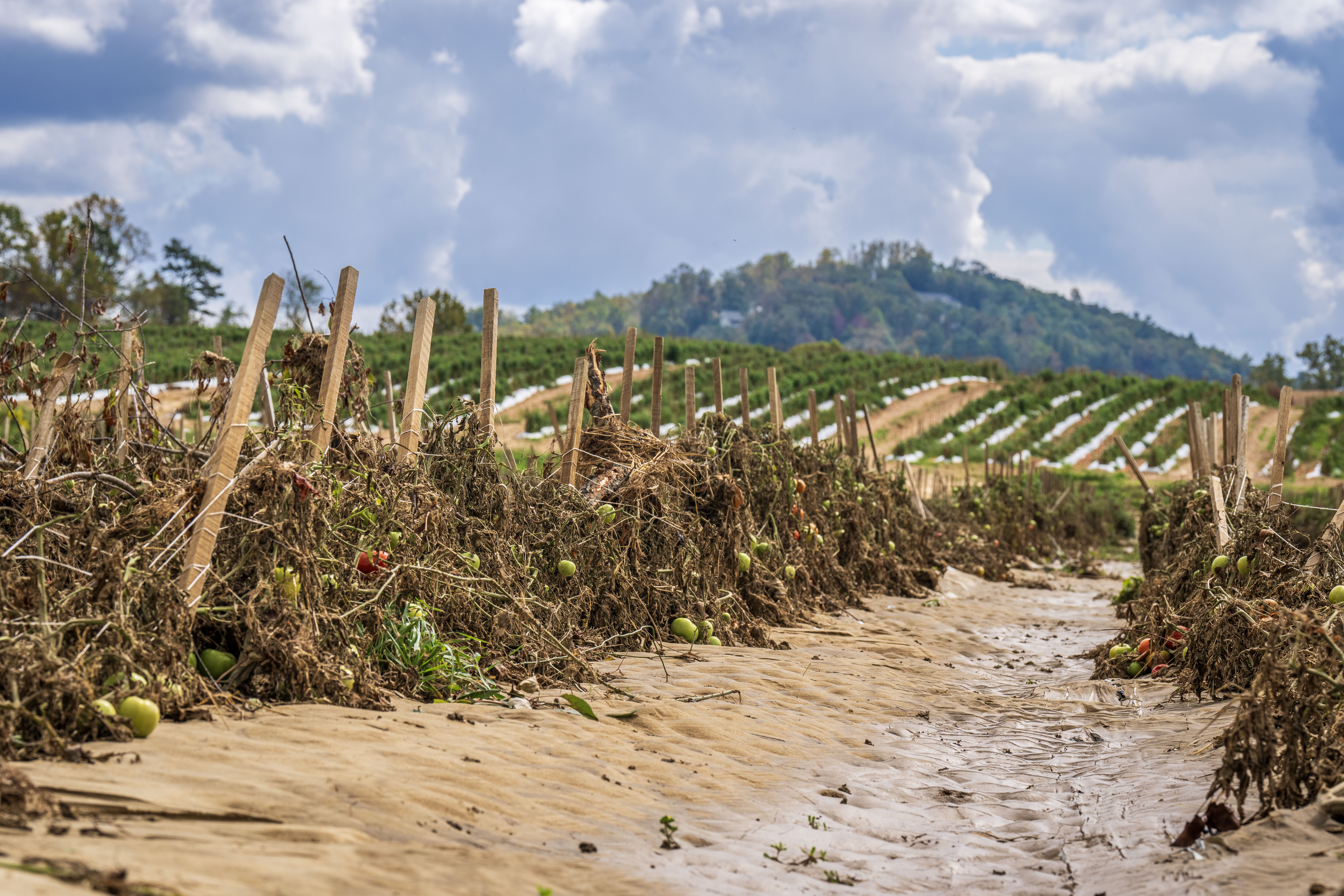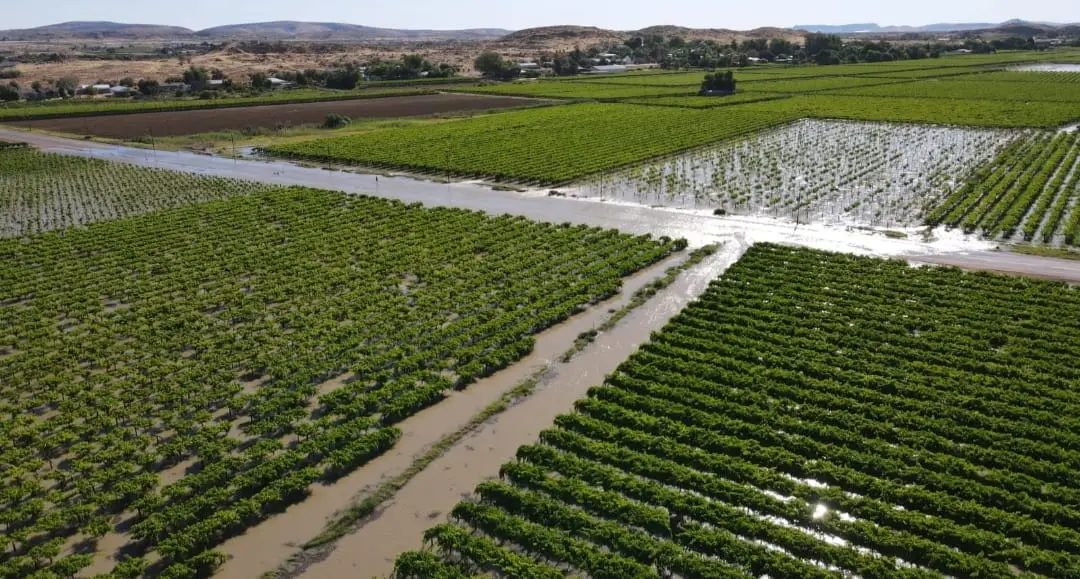
A single storm can wipe out a season's work. With climate change creating new hail hotspots, as seen across four South African provinces recently, the threat is less predictable than ever. Experts stress the critical need for crop insurance to protect farmers from severe financial losses.
Hail and flooding across Gauteng, Limpopo, Mpumalanga and KwaZulu-Natal recently highlighted the increasing frequency of shifting weather patterns to farming operations. This heightened climate volatility has direct implications for producers, agri-business value chains and the broader South African food system.
Hanjo Fourie, business head of underwriting crops at Santam Specialist Solutions, said the recent hailstorms have already generated significant losses.
Fourie noted that the direct loss typically relates to crop reduction and infrastructure damage, while pack-houses, irrigation systems and vehicles can suffer severe collateral damage too.
“For commercial farmers, this disruption can affect production cycles and contracts, but smallholder farmers are even more vulnerable. Without insurance or financial buffers, they risk falling into poverty traps that are difficult to escape.
“Hail losses also ripple far beyond individual farms and agri-producers. Reduced crop volumes can leave pack-houses underutilised, affecting employment and operational efficiency. Damaged logistics infrastructure disrupts already fragile supply chains,” he explained.
Farmers vulnerable to unpredictable climate
According to Fourie, export markets are highly sensitive to cosmetic standards, so fruit with external blemishes may be downgraded to lower-value markets, reducing earnings and affecting trade relationships.
“While regions such as Eastern Free State, Lesotho and the Highveld have long been recognised as hail hotspots, climate change is creating new patterns that make the threat far less predictable. Much of this unpredictability stems from broader climatic shifts.
“Anthropogenic warming is increasing low-level moisture and convective instability, providing more energy for the strong updrafts required to form large hailstones. At the same time, a rising freezing level means smaller hailstones melt before reaching the ground, leaving a greater proportion of larger, more damaging stones,” he said.
Fourie added that as a major summer grain, maize is particularly vulnerable during flowering and pollination. Hail during this period can lead to substantial yield losses or terminate the season entirely.
Some producers may need to adjust planting dates to reduce exposure, but these decisions must balance hail risk against heat stress and moisture availability.
Crop insurance critical
“High-value fruit crops such as citrus, grapes and stone fruit are particularly vulnerable to hail, as visual damage affects marketability and significant capital is invested per hectare. A single storm can undo a season’s worth of labour and investment.
“In this environment, crop insurance provides a critical safety net. It provides financial protection that helps farmers recover without entering unsustainable debt cycles, while also improving access to credit, as insured farmers are viewed as lower risk by lenders. With this support, they are more able to invest in improved technologies and climate-resilient practices,” Fourie said.
Phetholo Sematha, a crop farmer based in Mokopane, Limpopo, said while insurance is critical for farming operations, he cannot afford it.
“Yes, we experienced a lot of rain, which was good following months of no rain and severe heat. In terms of our crops, they needed the rain. Luckily, there was not much damage to crops or infrastructure. I am scouting for an insurance that can fit me and my operations,” Sematha said.
Fourie highlighted that while high premiums are indeed a barrier, more innovative, lower-cost products like index-based insurance are helping to broaden access for small-scale farmers and improve their ability to secure credit.
“As climate volatility increases, insurance will shift from a commercial farmer’s luxury to a fundamental part of every farmer’s holistic risk management strategy protecting livelihoods and supporting the long-term sustainability of South African agriculture,” he said.
Source - https://www.foodformzansi.co.za