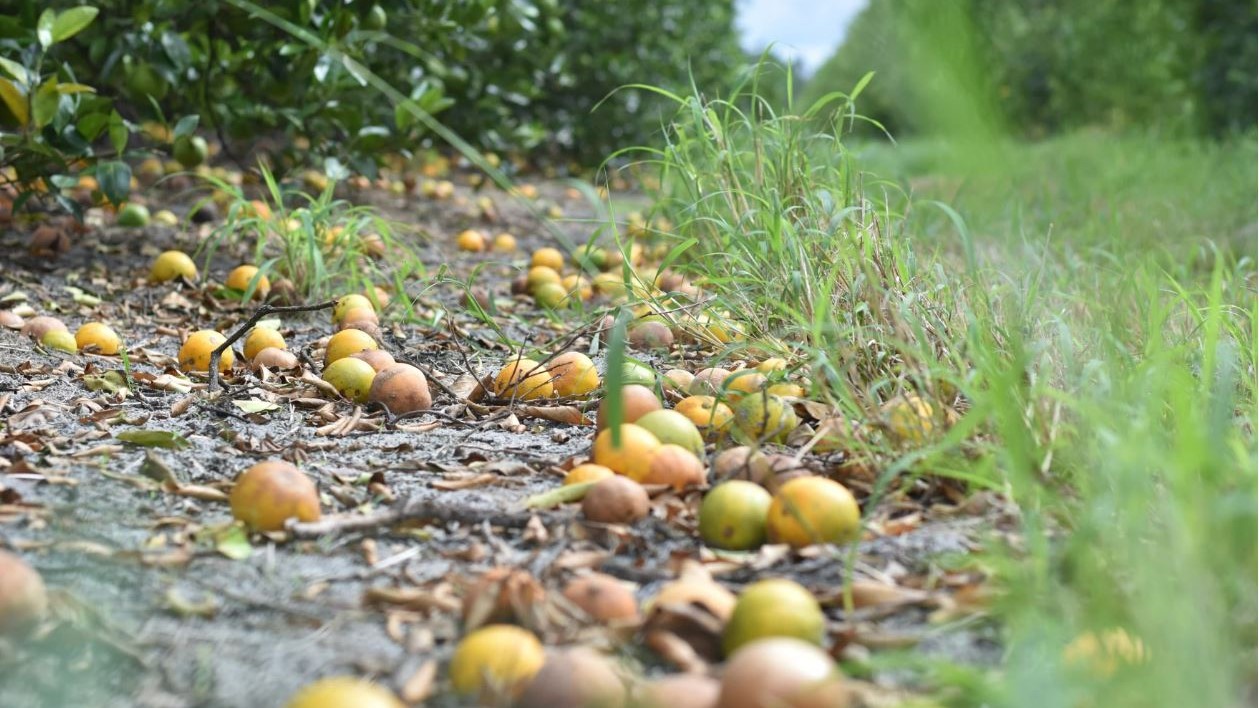
South Africa's main citrus producing region for the U.S. market, Citrusdal, has been impacted by excessive rainfall during their harvest season. Although the rain doesn't impact the quality of this hardy fruit as much as other deciduous kinds of fruit, the weather has had an effect on shipments and all aspects throughout the total supply chain. "It has been difficult to access the orchards and roads," says Suhanra Conradie with Summer Citrus from South Africa (SCSA). "In addition, the port was windbound for a few days, which caused a delay in the supply chain and put back U.S. shipments by about a week," she added. Although it is still raining, shipments have resumed in the meantime and the region is working its way around the rain.
While Citrusdal in the Western Cape is the main production area for citrus to the U.S., South Africa ships citrus from other areas in the Western Cape as well. The Boland region is home to Easy peeler varieties and while there have been some supply chain delays, the infrastructure hasn't been impacted by the weather. The Northern Cape grows Star Ruby grapefruit, and that region hasn't received any rain at all. "While rain during harvest creates some challenges, we need the rain," Conradie shared. "We are in a mediterranean climate, and the peak rainfall months are June, July, and August. Rainfall during these months is important for the health of the trees and we are very used to operate in these kinds of conditions."
Volume planning
When asked about the impact of the rain on shipments to the U.S., it currently appears to be limited. "We are not just sending boat loads of fruit to the U.S. market," said Conradie. "Prior to the start of the season, a lot of effort goes into planning the different shipments during the season and making sure our supply is aligned with U.S. demand." SCSA works very closely with the shipping lines and service providers to make sure the right volume is being shipped. "We are very focused on making sure we don't ship too little or too much volume," said Conradie. Weekly arrivals have been scheduled throughout the season and given there is a re-distribution process involved upon arrival, the delay is having a minor impact on the overall season, as of now.
Midway through the season
Last week, 200 40-ft. containers or the equivalent of 4,000 pallets were loaded on MSC Carmen. This vessel will arrive in the U.S. during the first week of August. Right now, the Regal Bay is being loaded and this break bulk vessel holds 5,000 pallets of fruit in total. It's also scheduled to arrive the first week of August. The MSC Jersey, holding +/- 200-250 40-ft. containers, will arrive in Philadelphia the second week of August. In other words, a steady flow of arrivals is scheduled for the next few weeks. As of week 28, South African citrus fruit destined for the U.S. market was 95 percent packed, based on year-to-date estimates. "Out of the total production volume going to the U.S. this season, 50 percent has currently been packed and by the end of next week, 50 percent of product will have been shipped," commented Conradie.
Being midway through the season, there's a few weeks of Navel harvest left. Soon, the season will move into the peak weeks of the late season mandarin varieties, which is a premium product for South Africa. In addition, Star Ruby grapefruit is still being shipped and within the next few weeks, growers and exporters will start to talk about Midknigths as well.
Source - https://www.freshplaza.com