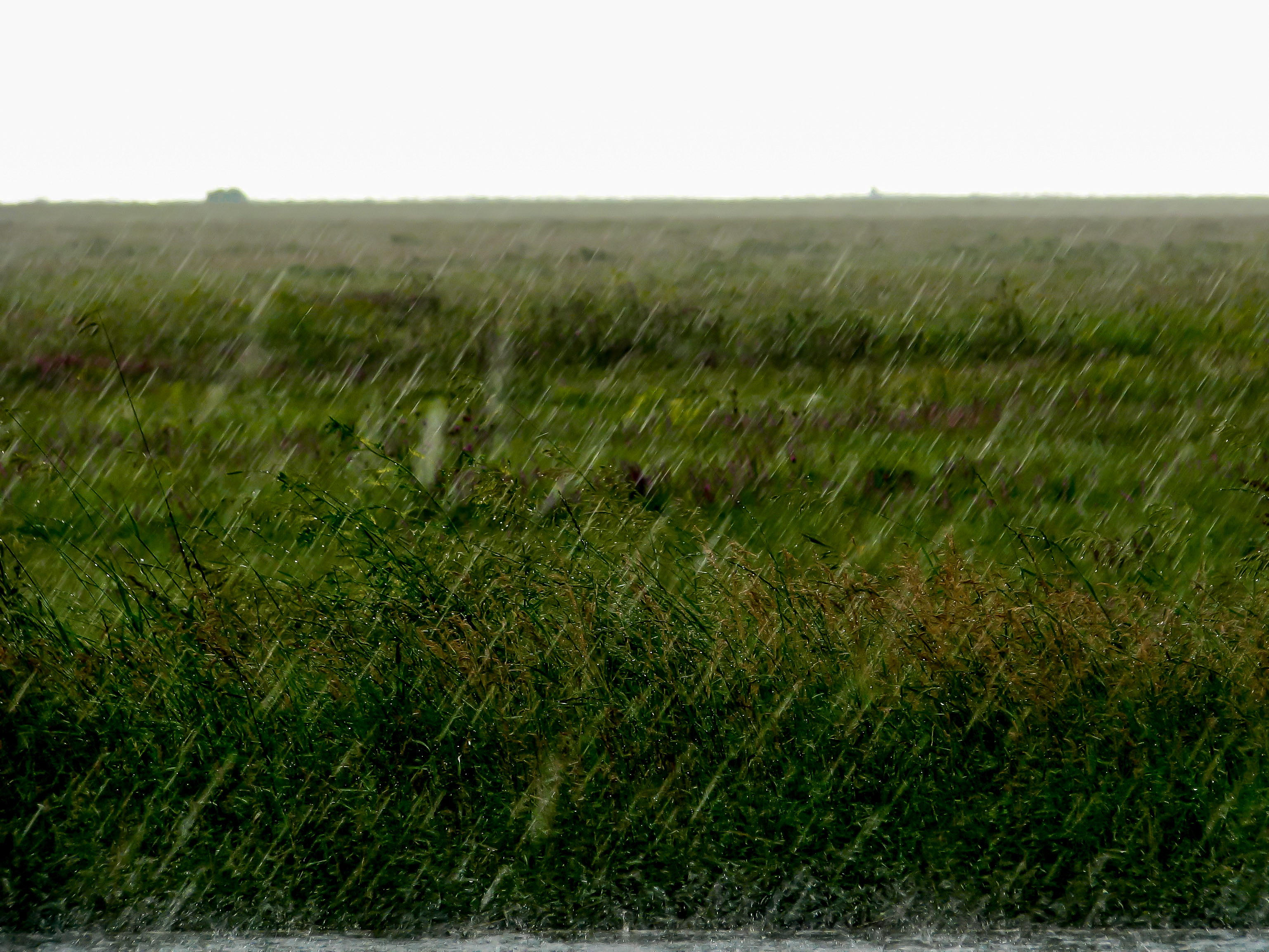
Drenched fields and overflowing rivers painted a grim picture across eastern South Africa. The wet start to the year, particularly in Gauteng and KwaZulu-Natal, had transformed into a devastating reality. While some farmers in drought-stricken areas are rejoicing, others are starting to count their losses after floods swept through rural communities, leaving behind a trail of loss and heartbreak.
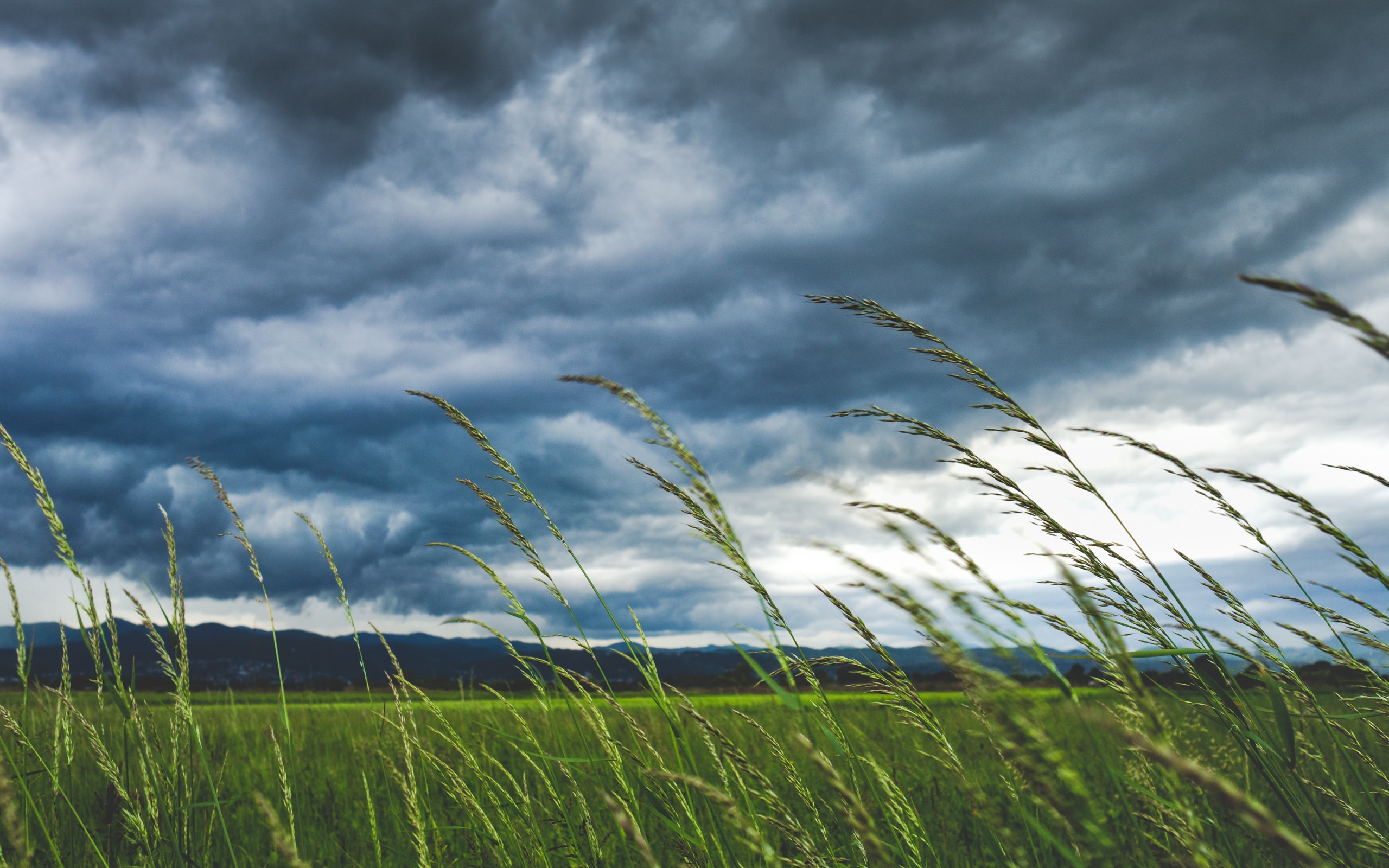
The South African Weather Service announced that different parts of the country are under level two weather warnings, and provinces have experienced lightning strikes and heavy rains leading to severe flooding.
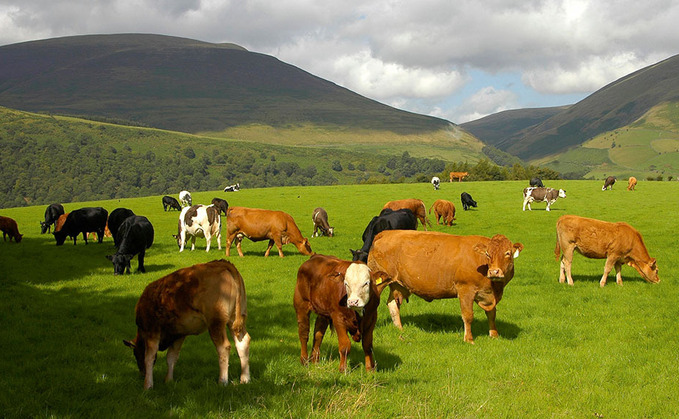
Experts said farmers should prepare for more heavy rains in January. Farmers have also been urged to look out for livestock that could end up either being stuck in the veld or roaming the streets.
Rain came at the right time
The heavy rains across most of the country are expected to persist until mid-January which could be good news for farmers in drought-stricken areas.
Ndivhuho Nengwenani, a chilli farmer from the deep rural village of Vondo in the Vhembe district in Limpopo, said the recent rains have brought much relief as rivers had run dry.
“We had no water at the beginning of summer making it extremely difficult for us to operate. We had to start making alternatives on where to source water.
“I lost cabbage production of about 3 000 because of rivers having no water, and the area itself being dry in nature was was a frustrating period, so the rains have at least made the water levels in the river normal,” he said.
University of Cape Town (UCT) climate scientist Dr Peter Johnston said most crops can deal with above-normal rain at this time, but there must be enough sunshine for photosynthesis to take place and allow for leaf development and growth.
The downside of heavy downpours
“If the ground is flooded or can prevent the uptake of nutrients, crop yields may be affected but again this could be positive or negative depending on conditions.
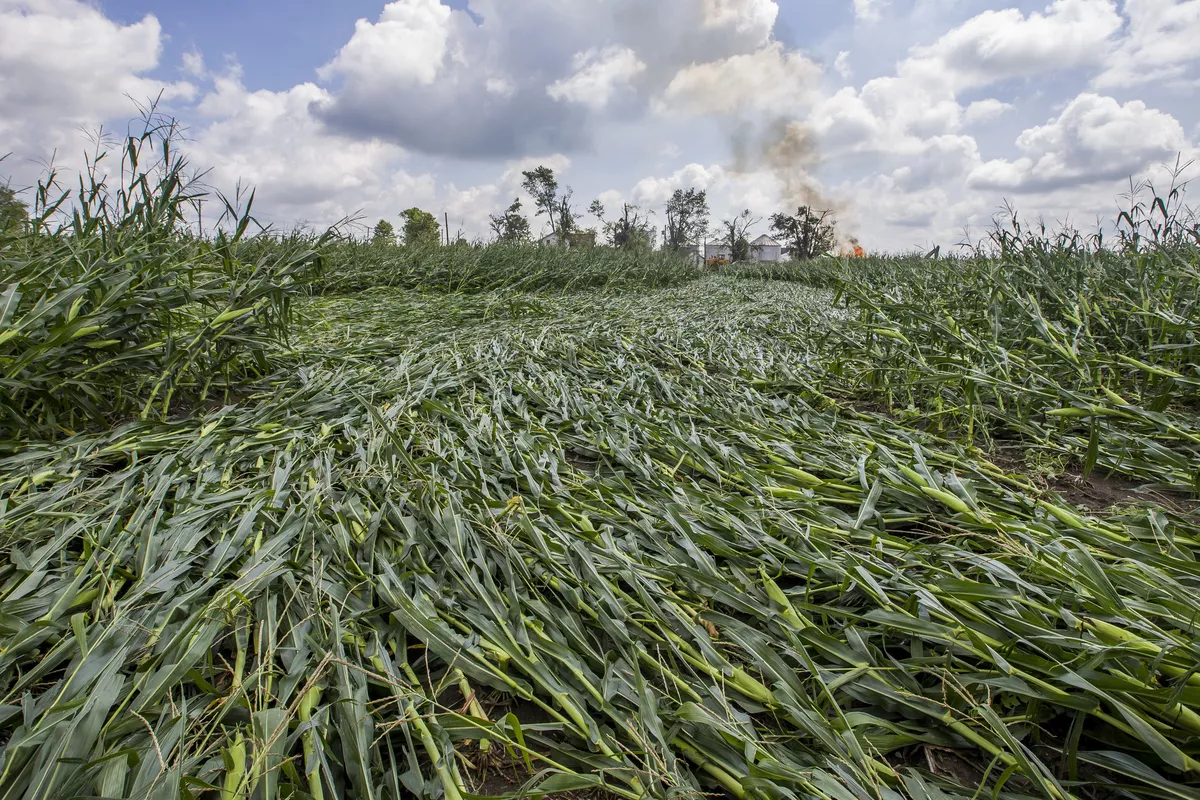
“In the worst cases, flooding can cause damage to fields, wash away crops, and lead to permanent damage and losses,” he said.
According to Johnston, all medium-term forecasts are predicting a drier than normal January, February, and March as such farmers should maximise the January rains for their operations.
With the state of infrastructure in the country, mainly the roads, he added that the transport of existing supplies or products from silos may be affected if roads are damaged because of heavy rains.
While some areas across the country might not even be accessible because of the heavy rains, Gauteng-based crop farmer Philani Mzila has welcomed the wet weather.
“The rains have not been excessive but they have been the same amount of rain that we received in December 2022, which started in that month instead of January. These are welcomed rains,” he said.
Mzila explained that farmers should be careful because if there is a lot of rain, they need to make sure that their beds are raised and the soil drains well.
“Other than that, the rain has been excellent for us. Plants are looking happy and healthy,” he said.
Good rains
Free State crop farmer Happy Letsitsa said as the country is currently in El Niño and farmers did not experience good rain in December, those who planted their crops earlier in November and December are seeing the rain as good rain.
“If there is no damage then farmers should be able to benefit from these rains because when the rains stop, at least the moisture is still on the ground.
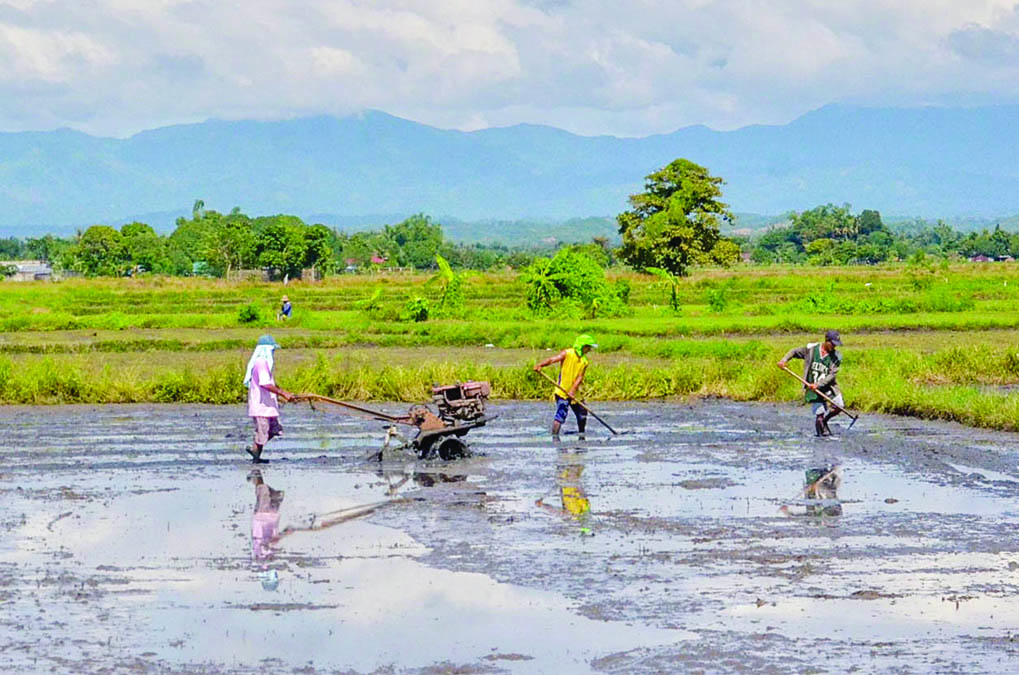
“For some people who did not have a chance to plant because of the dry and warm weather conditions in November and December, the rains are a disadvantage. This is because their tractors could get stuck in the mud,” said Letsitsa.
He added that people who planted earlier are at an advantage because the crop will be in good condition and reach a station where it can fight for itself during El Niño.
A mixed bag of results
Angel Malele, a crop farmer in Mpumalanga, said the heavy rainfall had a bad impact because she had crops that were still growing and had fertilised them, but when the rain came all the fertiliser ran off.
“Some of my crops were damaged because of too much water from the rain which is something that you cannot run away from.
“But on the other hand, it had a positive impact on my potatoes because they got enough water as we were having problems with irrigation. So it came in handy for me on that part,” Malele said.
Source - https://www.foodformzansi.co.za