Climate change is not just a distant threat but a pressing issue that significantly impacts agriculture and the livelihoods dependent on it, Professor Debra Roberts, Co-Chair of the IPCC Working Group II said.
“Human-caused climate change has resulted in widespread and rapid alterations in the atmosphere, oceans, and biosphere,” Roberts said at a recent business breakfast hosted by Illovo Sugar South Africa in Durban, while delivering a presentation on the latest findings from the Sixth Assessment Cycle.
“These changes are particularly evident in the agricultural sector, where the effects are multifaceted and severe.”
In 2023, the impacts of Cyclone Freddy led to the closure of Illovo’s Maragra sugar operation in Mozambique and caused severe damage to operations in Malawi.
Earlier this year, the Dwangwa region in central Malawi experienced unprecedented flooding, resulting in loss of life and extensive destruction in the community, as well as damaging sugar fields and operations in the area.
Roberts highlighted that global surface temperature has increased faster since 1970 than in an other 50-year period over at least the last 2000 years, currently standing at approximately 1.15°C above pre-industrial levels.
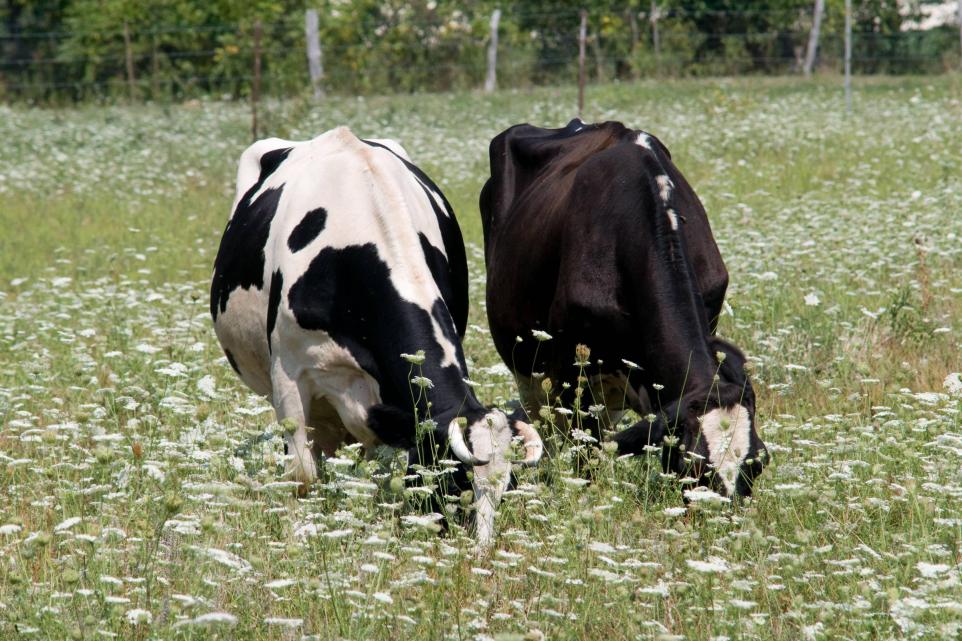
Roberts also emphasised the direct impacts of climate change on agriculture, with “increased temperatures and prolonged droughts leading to reduced agricultural productivity. Heatwaves not only stress crops but also affect livestock health, reducing milk and meat production”.
Heavy rainfall and floods lead to soil erosion, nutrient loss, and crop damage with “really bad flooding devastating entire planting seasons, leading to significant economic losses”.
While on the other hand, we will have water scarcity which will lead to challenges with irrigation, directly affecting crop yields. Reduced water availability also impacts the processing and production of agricultural goods.
The ripple effects of climate change on agriculture extend beyond direct physical impacts. The sector faces increased costs for adaptation measures, such as improved irrigation systems and resilient crop varieties. These costs can be prohibitive for small-scale farmers.
“Reduced agricultural productivity leads to food shortages, higher prices, and increased food insecurity, particularly in vulnerable regions. Many people in developing countries rely on agriculture for their livelihoods. Climate change threatens these livelihoods, leading to increased poverty and displacement,” Roberts said.
Roberts emphasised effective adaptation strategies which include on-farm water management, soil moisture conservation and ecosystem-based adaptation.
“However, adaptation alone is not enough. Mitigation efforts are crucial to limit further warming and its associated impacts,” Roberts said.
Shifting from fossil fuels to solar and wind energy can reduce greenhouse gas emissions and practices such as agroforestry, crop diversification, and organic farming can help reduce the carbon footprint of agriculture.
Illovo’s managing director, Ricky Govender said that the company has “generally, many sugar mills in Africa utilise gas and, depending on the capacity and design of the factory, they may supplement with coal to meet their energy requirements.”
“To reduce our energy consumption and meet our sustainability targets, we have increased processing efficiency at our Sezela and Noodsberg mills on the KZN south coast, reducing our coal consumption by around 30,000 tons per annum,” Govender said.
Roberts called for enhanced policy measures and increased financial flows to support adaptation and mitigation in agriculture. She noted that while policies to reduce greenhouse gas emissions have expanded, there remains a significant gap between pledges and actual implementation.
Illovo CEO Gavin Dalgleish said in a media release earlier this month that he “tends to take a personal view around climate change and look at 50 years down the line and imagine in my mind, what sort of future or living conditions am I bestowing on my son – what sort of world is he going to be living in, what hardships will he and his family face, will he have access to water – and so on.”
“We still need to do more and I think that's the big challenge for everyone working in this environment and not incremental change. We now need to look at really truly transformative change. Changes in business approach, changes in investments, change the way we take development decisions, changes in policy,” Roberts concluded.
Source - https://www.iol.co.za