Spain - 9 out of 10 avocado and mango farms suffer losses due to drought in La Axarquía

12.12.2023 606 views

The drought has had a strong impact on Malaga's mango and avocado crops severely affecting producers. One of these producers is Antonio Sarmiento, 85, who has been producing tropical crops for more than four decades and currently manages a 20-hectare farm in Benamocarra with his five children.

Antonio's mango production has decreased by almost 80%, from 300,000 kilos to 70,000 kilos, due to the drought. Avocado production is even worse this season: there are few fruits on the trees, they're small, and the trees' leaves are almost dry. "There's not much more we can do without rain; we might have to cut many trees this winter," stated his son David, 50.

Most producers are experiencing the same situation as the Sarmiento family. This year, 90% of the farms in the area - which are owned by families and have an average area of two to three hectares- have had losses. It's a strong blow for a sector that generates 15,000 direct and indirect jobs in the region and accounts for 90% and 70% of the country's mango and avocado production, respectively.

Pablo Toré, 40, who manages the 11-hectare farm his father bought in the 1980s in Rincon de la Victoria, is also suffering the ravages of drought. He grows mangoes and avocados. This year, he's had to cut down about 700 avocado trees because they require much more water than the mango trees: 7,000 cubic meters of water per year per hectare compared to 4,500 for mango.

This year, his production has fallen by 90% due to drought and heat, and he's already accumulated 60,000 euro in losses.

Toré already has plans for the future: he will bet on new crops on his farm, such as pitahaya, which barely needs water. "I don't know where the 10% of farms that have been profitable this year are: I don't know anyone who has done well," he lamented.

Source - https://www.freshplaza.com

02.09.2026

Philippines - Bayambang declares state of calamity over P31-M agricultural losses

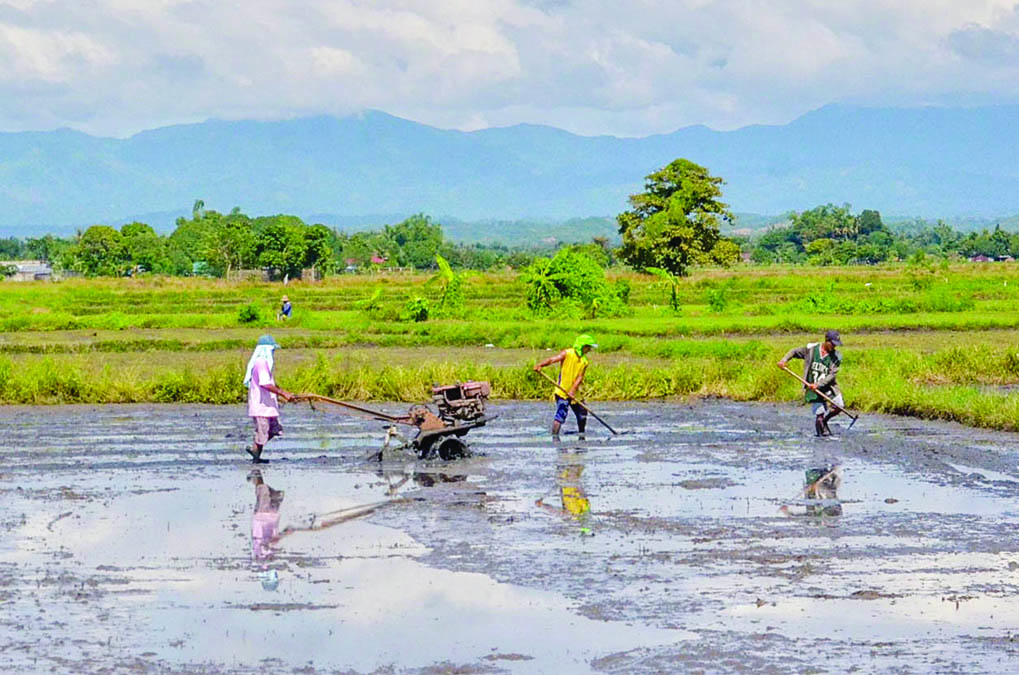
The municipal council of Bayambang has placed the town under a state of calamity after Tropical Storms “Luis” and “Maymay” and the enhanced southwest monsoon, or habagat, caused more than P31 million in agricultural losses.

02.09.2026

USA - Lynndyl farmers assess crop losses after 100 mph winds and hail

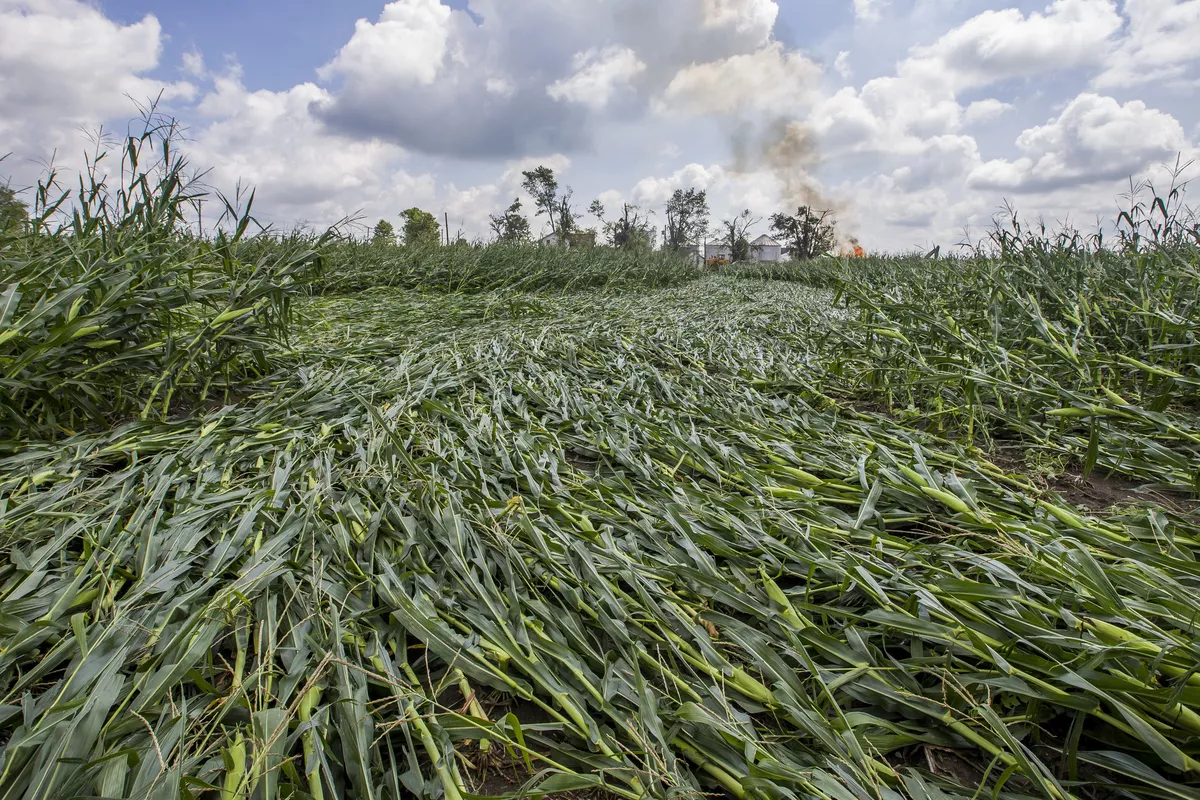
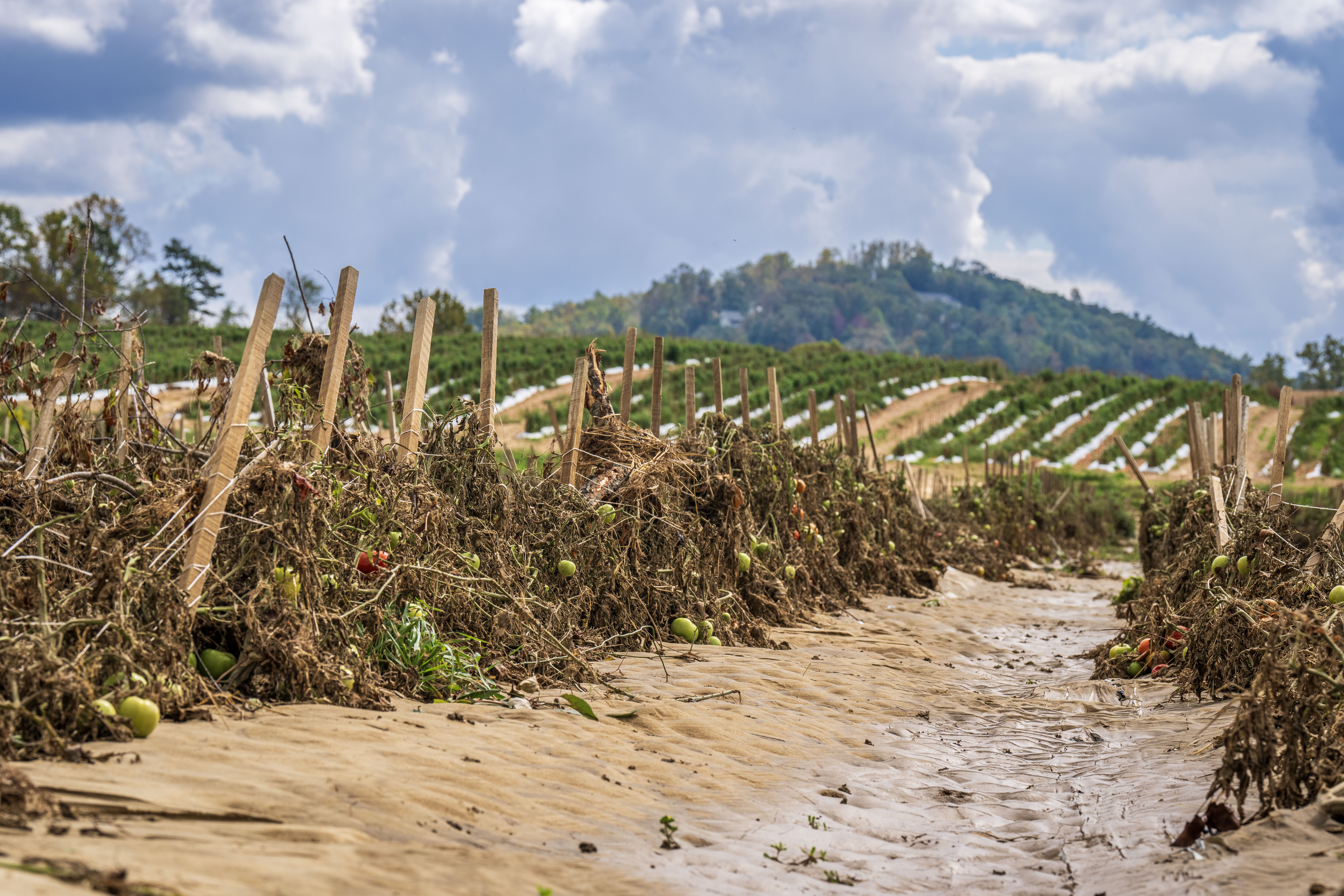
Farmers in and around Lynndyl are beginning to assess severe losses after a powerful weekend storm ripped through fields with destructive winds and hail just as some crops were nearing harvest.

02.09.2026

USA - New Insurance for Breeding Heifers

New LRP Coverage Aims to Reduce the Risk of Retaining Heifers for Breeding.

02.09.2026

Corn's $6 Surprise Could Change the Profit Math for U.S. Farmers

Corn may already be worth more than the board suggests as farm payments and incentives add about 52¢ per bushel to producer revenue.

02.09.2026

Philippines - Iloilo turns over P10M for farm, fishery insurance

The Iloilo provincial government has turned over P10 million to the state-owned Philippine Crop Insurance Corp. (PCIC) to expand insurance protection for farmers and fisherfolk vulnerable to losses from El Niño, La Niña, typhoons, pest infestations and other calamities.

02.09.2026

India - AP sees 1,263% rise in non-loanee crop insurance

The State witnessed a remarkable 1,263% jump in non-loanee farmer registrations, with their participation rising from 2 lakh in the previous Kharif season to 25.26 lakh farmers this year.

01.09.2026

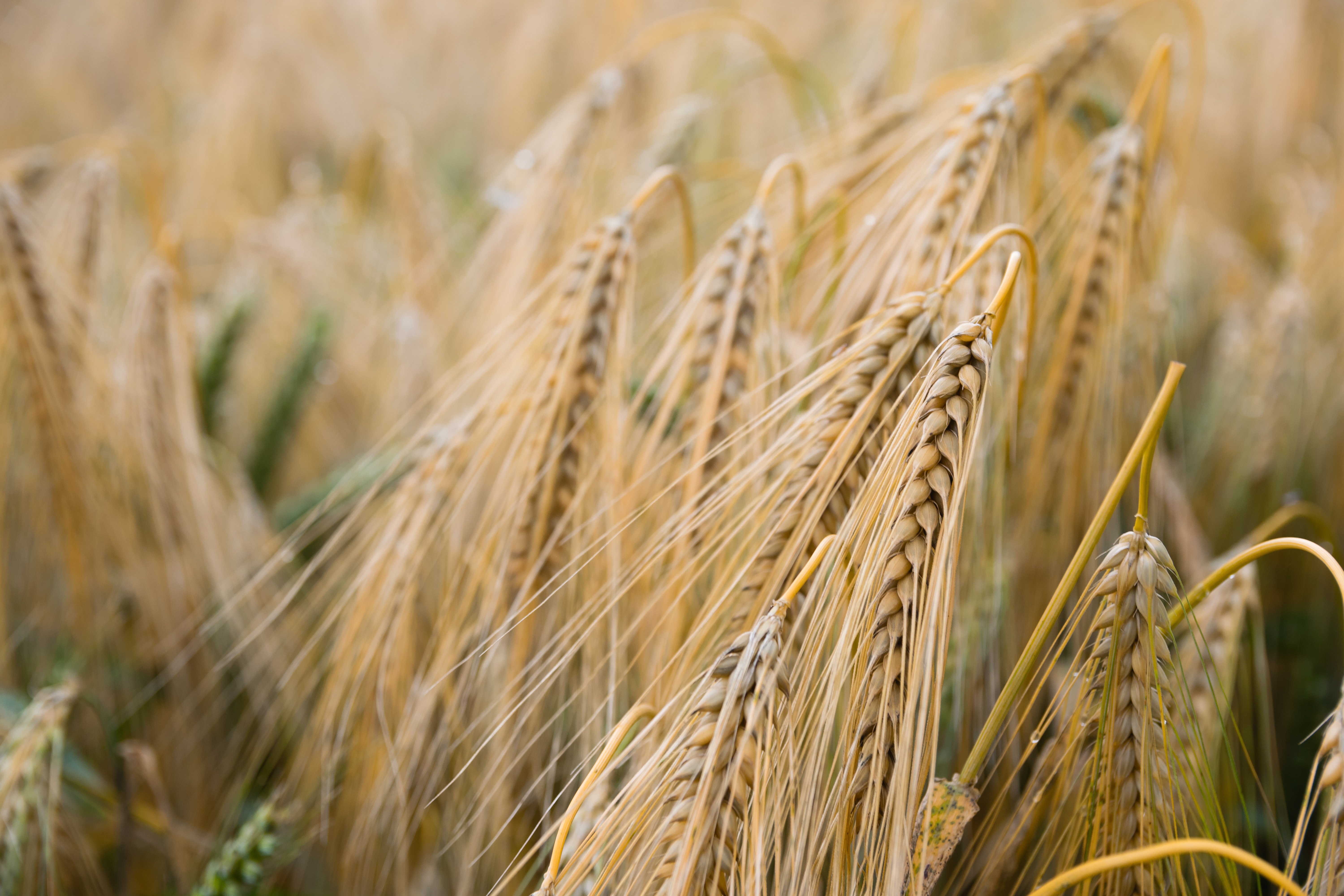
South Africa - Grain SA calls for affordable crop insurance as dry weather threatens Swartland wheat

Severe rainfall shortages threatening the Swartland wheat crop have highlighted the need for government support to make crop insurance affordable for dryland producers.

01.09.2026

USA - Florida farms face nation’s highest disaster loss rate

Natural disasters destroy billions of dollars in U.S. agricultural production each year. From drought and wildfires in the West to hail in the Midwest and hurricanes in the Southeast, farms lose an average of $5.1 billion in crops and livestock annually, according to the Federal Emergency Management Agency.