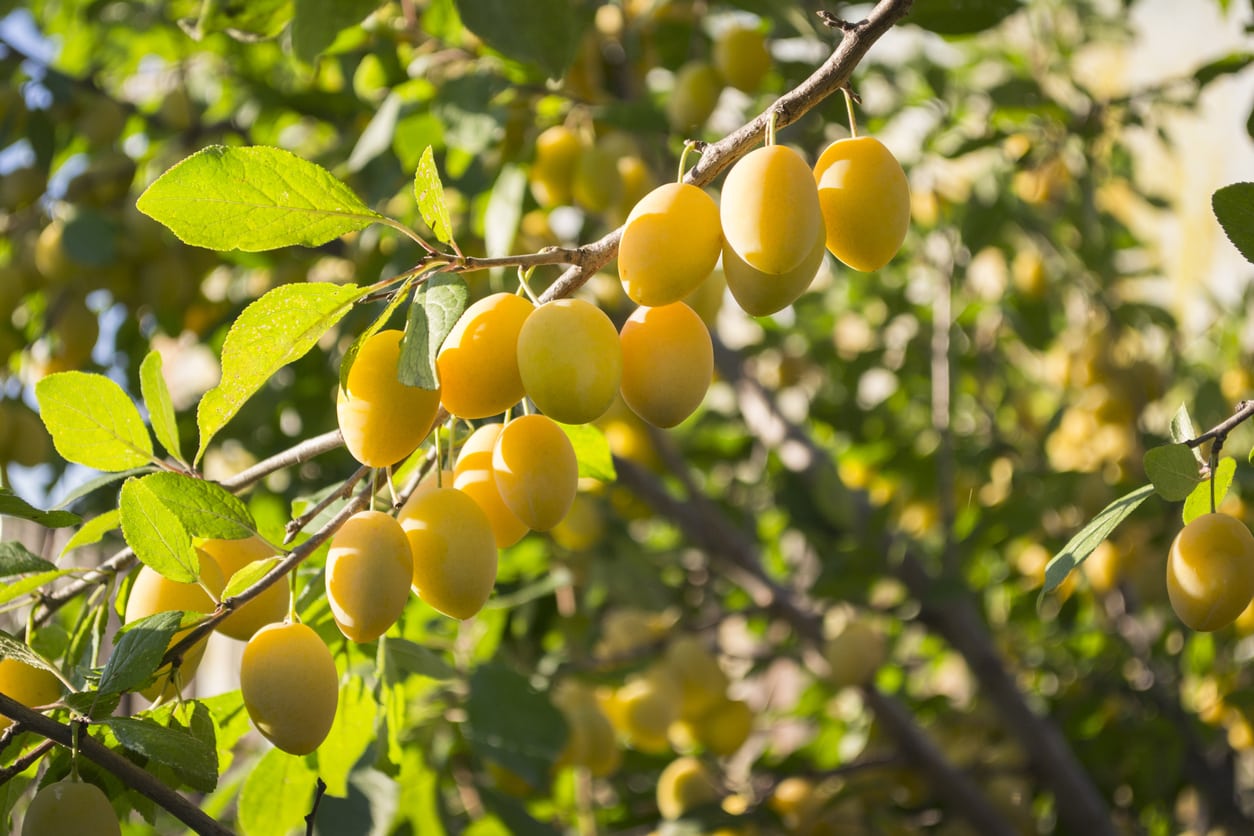
The stone fruit season is nearing its halfway point in the Spanish region of Extremadura, with a fairly good demand for plums, according to Ramón Fernández, from the Extremadura-based company Arrofrut. "At the moment, there is a greater number of varieties with higher production volumes that are doing well in the export market, especially purple varieties; however, we also see that the production of the yellow varieties has dropped quite a lot."
"There is practically no production of the main yellow plum varieties, such as the Golden Globe or Blondy. For the other yellow varieties, many of which are new, and which have already been harvested, there might have been a drop of around 30-40%."
"We have to bear in mind that plums are not a self-fertile fruit and they need pollination, and we think that this reduction is due to the weather during the flowering period," says Ramón. "In fact, we had already noticed there was a lower amount of fruit during the thinning, which was only carried out lightly."
Initial plum production estimates for the 2024 season in Extremadura, the main Spanish producing region, already pointed to a 20% drop at the beginning of the season (-18,000 tons, according to the Ministry of Agriculture) compared to 2023, although as the months have passed, it has become clear that these figures will need to be revised, especially given the development of the yellow varieties. In any case, Ramón Fernández says that besides any declines caused by the weather, "plum cultivation, and the production of pretty much all stone fruits, is falling in Extremadura because of the increasing lack of laborers and the higher salaries. Some producers have been switching to the cultivation of almond or olive trees, especially in a super-intensive regime, as the processes can be mechanized and there is no need to have seasonal workers."
The season is therefore expected to be shorter, "both for plums and for other stone fruits," he says, "but the quality has been really good so far, and since the trees have less production, the sizes are larger, so we are not really noticing the volume shortage that much."
"Up until a week ago, stone fruit prices have been higher than in other years. In this week and the next, we usually see prices and sales dropping because more fruit arrives in the market, but we can already anticipate that yellow plum prices will stay quite high this season because there is going to be a shortage of fruit."
Source - https://www.freshplaza.com