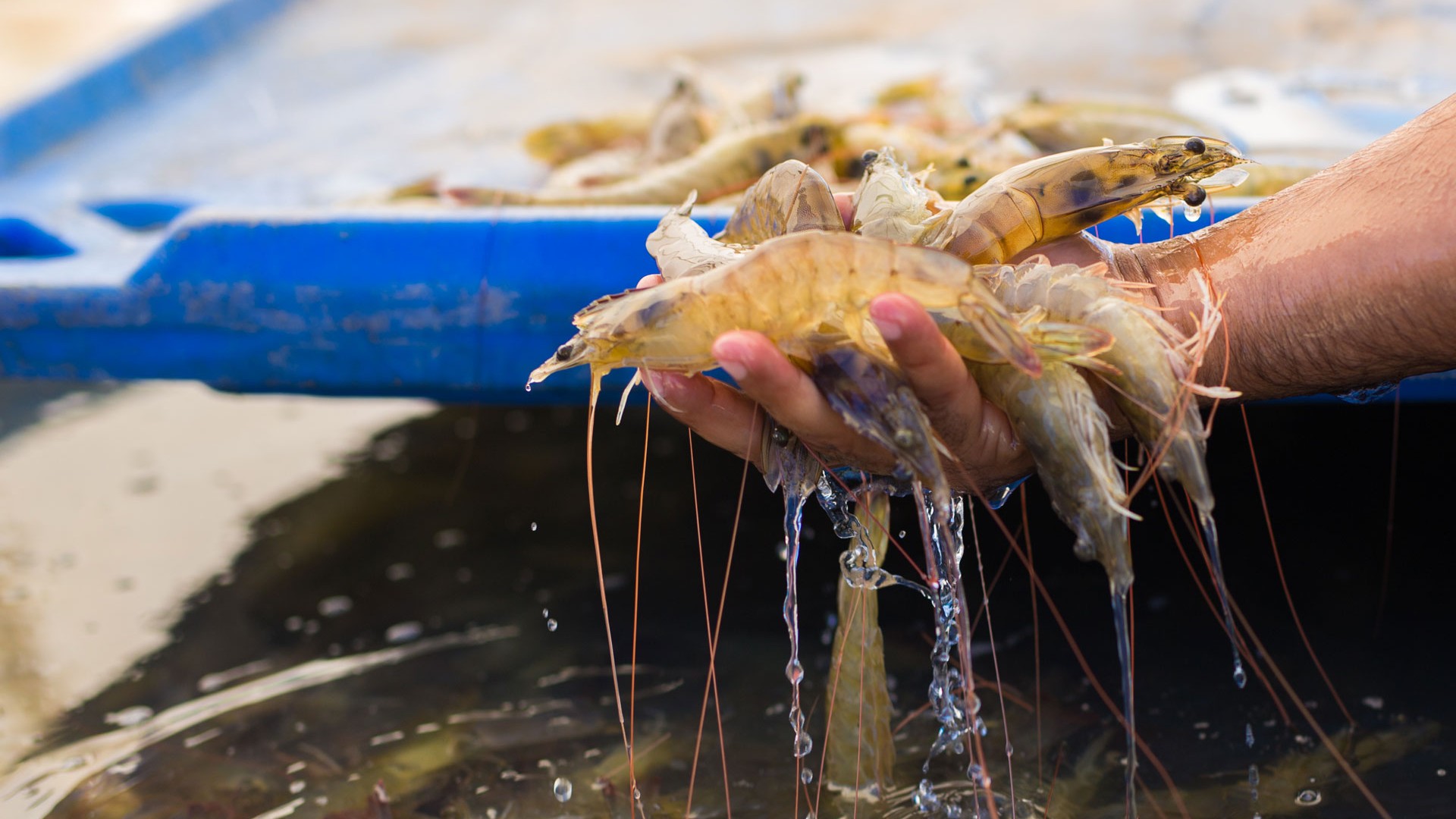
Sri Lanka unveils digital platform aimed at modernizing shrimp farming

24.11.2025 476 views

The South Asian nation of Sri Lanka has launched a fully integrated digital platform for its shrimp sector, aiming to modernize farming practices and strengthen biosecurity as the industry looks to expand sustainably.

The Shrimp Industry Information System (SIIS), developed by the United Nations’ Food and Agriculture Organization (FAO) in partnership with Sri Lanka’s Ministry of Fisheries and National Aquaculture Development Authority (NAQDA), links farmers, laboratories, regulators, and policymakers through real-time data, The Morning reported.

The platform uses big data, IoT capabilities, and artificial intelligence to support food safety, traceability, and disease monitoring through water quality data and disease incidents reporting systems.

The system, which received funding from South Korea’s Ministry of Oceans and Fisheries, also provides digital licensing, as well as geographic information system (GIS) mapping and tools, to improve oversight and policy planning.

South Korea Ambassador to Sri Lanka Miyon Lee, who attended the launch of the platform, said the project could serve as a model for digital transformation in sustainable aquaculture.

The launch of the platform comes after NAQDA introduced a new set of rules to regulate the re-export of shrimp earlier this year, aiming to address concerns from local farmers and maintain the country’s competitiveness in global seafood markets. Under the new guidelines, only frozen, headless shrimp may be imported, and imports from countries facing trade restrictions will be banned. Health and antibiotic-free certification from exporting countries will also be mandatory.

On the processing side, factories will be required to keep foreign and domestic shrimp strictly separate during handling and cannot operate the facilities processing foreign shrimp near local shrimp farms in order to prevent cross-contamination.


Source - https://www.seafoodsource.com

30.06.2026

Poland faces smaller AJC crop while Turkey prepares for recovery

Poland's apple juice concentrate (AJC) crop faces the prospect of a sharply reduced harvest in 2026 following severe frosts, while Turkey is set for a strong recovery season after near-total losses a year earlier, according to market sources cited by Mintec.

30.06.2026

Canada - Excess moisture, flooding insured perils under AgriInsurance

Excessive precipitation across northern Alberta over the past several weeks has significantly impacted seeding progress for many producers and is causing fields to flood in some areas.

30.06.2026

India - Delta farmers seek special relief package as Kuruvai loss threatens incomes in TN

With water storage in the Mettur dam forcing a sharp decline in short-term paddy cultivation this season, farmers in the Cauvery Delta have urged the Tamil Nadu government to announce a special relief package and provide scientific guidance on alternative crops to help offset mounting losses. 

30.06.2026

CRDB Bank Deploys AI Nose-Print Technology to Shake Up Tanzanian Livestock Insurance

Tanzanian pastoralists are set to access a transformative digital insurance framework utilizing artificial intelligence to scan animal nose prints for rapid payouts.

30.06.2026

Philippines - WB grants $70M loan for farmers' climate-risk insurance

The World Bank is lending $70 million to the Philippines for a co-insurance pool that would protect small farmers and fisherfolk from the effects of climate change, according to the Department of Agriculture (DA) on Sunday.

30.06.2026

Insurance helps farmers protect livelihoods as climate shocks intensify

Insurance is helping farmers recover from droughts and floods before crises deepen – as climate shocks intensify and the shadow of El Niño threatens.

29.06.2026

USA - Revisions to livestock insurance programs take effect July 1

Revisions to the principal livestock risk management programs, as well as to crop insurance, take effect July 1.

29.06.2026

Raising Concerns About Crop Damage, Threatened Livestock, and Health Risks in Rural Brazil

The advance of wild boars across Brazilian territory worries the countryside due to economic loss, threat to biodiversity, and sanitary risk to livestock, especially in regions where crops and livestock are vulnerable to the species’ movement.