Large parts of northern Europe experienced a distinct cold spell at the beginning of the New Year. Distinctly warmer than usual conditions prevailed in south-eastern Europe. A pronounced precipitation surplus continued to affect many parts of north-western, central, and eastern Europe. Mediterranean regions were affected by a marked rain deficit, which in some regions developed into a situation of drought.

Cold spell negatively impacted winter crops in Denmark and the Baltic Sea Region
In Denmark, the sudden temperature drop followed a period of abundant rainfall, which led to frozen waterlogged fields, locally associated with mechanical damage to winter crops. The sharp temperature drop in the Baltic Sea region in late December and early January likely caused frost damage to winter crops, especially in Estonia, Latvia, and Lithuania, where the snow layer was relatively thin. Damage to crops in other regions affected by the cold spell is expected to be minor, either because the very cold conditions occurred only one or two days, or because the crops were protected by a thick insulating snow layer.
Mixed effects of precipitation surplus
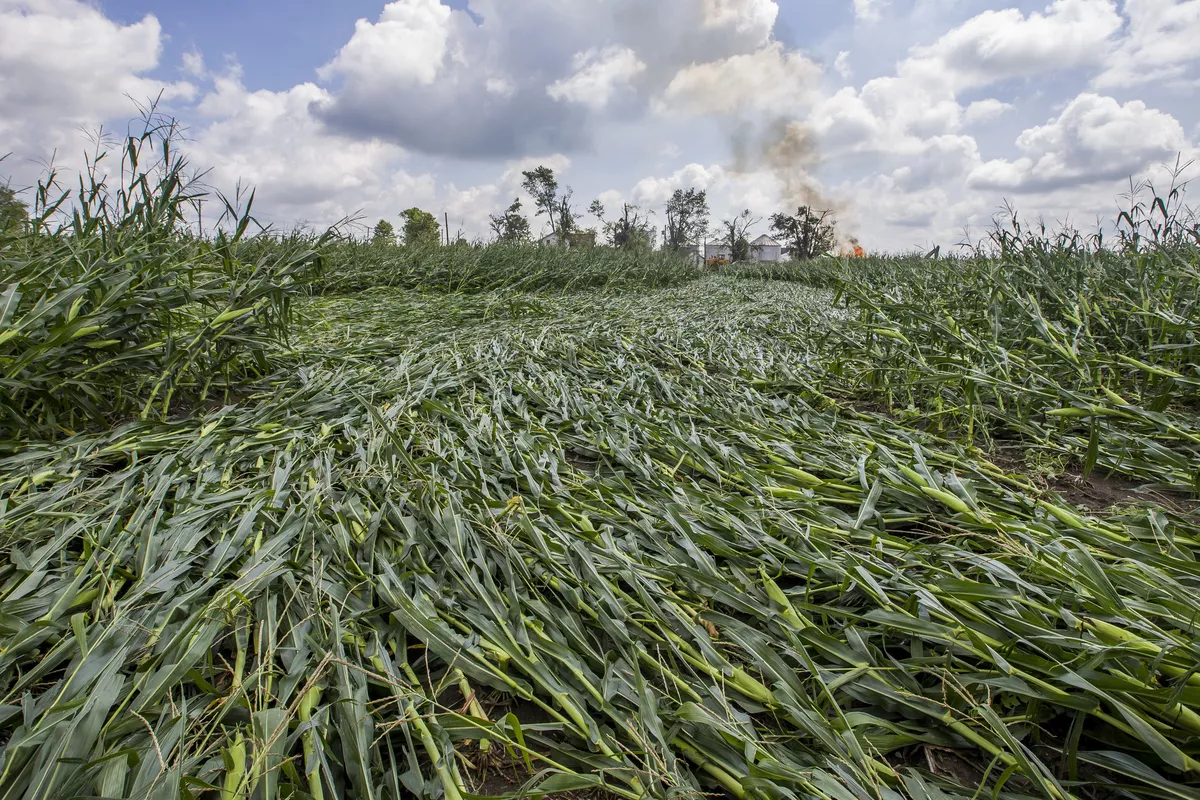
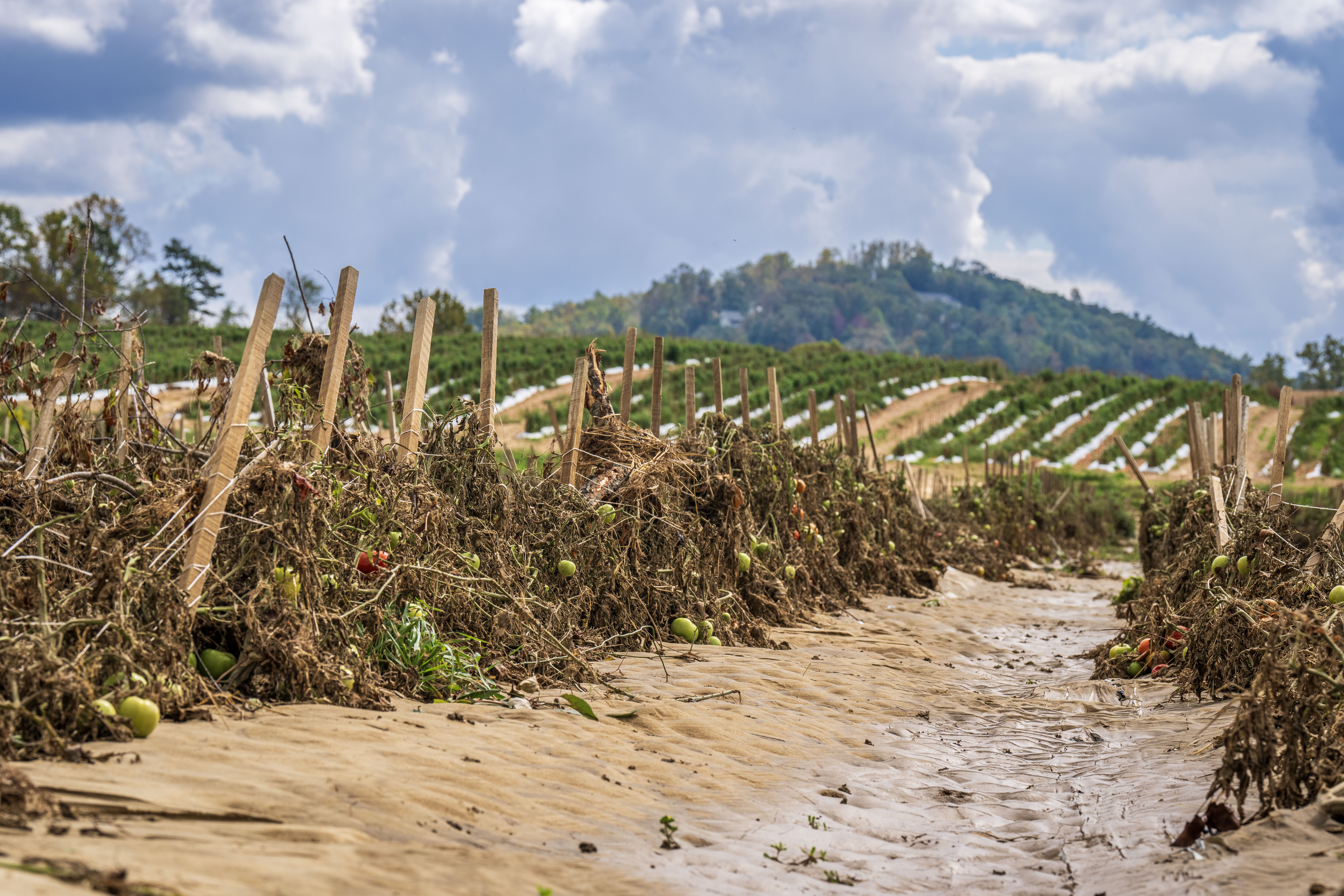
A distinct precipitation surplus occurred (or continued) in large parts of central and eastern Europe, as well as in the Benelux countries and central parts of the United Kingdom. In the Benelux countries, particularly the Netherlands, rain excess and wet soils continued to hamper the sowing of winter crops. In Germany, Austria, Czechia, and Poland, high precipitation accompanied by rapid snowmelt - especially in the second half of December - resulted in waterlogged fields and local floods, particularly in north-western Germany. In other parts of central and eastern Europe, the precipitation surplus had no significant negative impacts on crops, and contributed to the formation of a protective snow cover.
Negative impacts of rain deficit in western Mediterranean regions
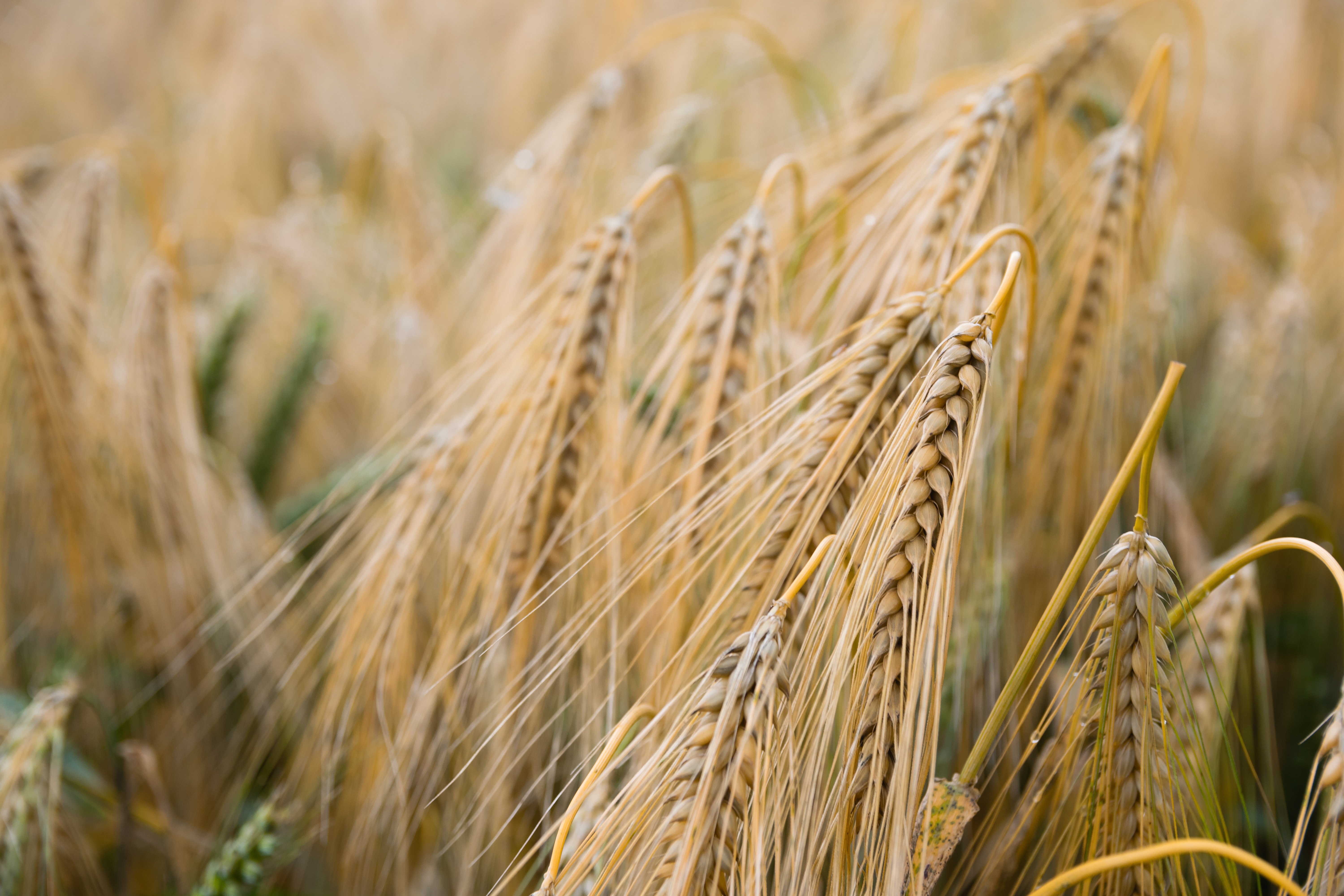
A marked Rain deficit was observed along the Mediterranean coast in Spain, in several parts of central and southern Italy, south-western Romania, Greece, Cyprus, central Türkiye, and the Maghreb region. In Italy, drought conditions continued in Sicily, with negative impact on biomass accumulation of winter crops. In Spain, persistent rain deficit in the Mediterranean coastal regions continued hampering the sowing and initial development of winter cereals. In Cyprus rain deficit combined with record-high temperatures negatively impacted barley development. In the Maghreb region, the combination of distinctly below-average rainfall and above- average temperatures since the beginning of the winter crop season, resulted in below-average crop growth and development in all agricultural areas of Algeria and large parts of Morocco and Tunisia.
Mild temperatures in the south-east benefitted late-sown crops but raises concerns for frost tolerance
Distinctly warmer-than-usual conditions were observed in Hungary, Slovenia, Croatia, Bulgaria, Romania, southern Ukraine, southern European Russia, and central and north-eastern Türkiye. The mild thermal conditions in these regions supported the strengthening of late-sown winter cereals, but weakened the low-temperature tolerance, thus increasing the risk of frost damage, particularly in southern European Russia.
Source - https://joint-research-centre.ec.europa.eu