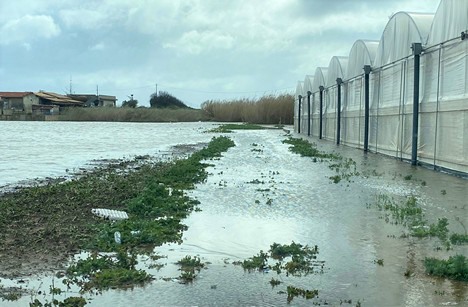
UAE - Unprecedented floods destroy greenhouses

19.04.2024 928 views

The United Arab Emirates experienced a "historic climatic event", according to the National Meteorological Center, which stated, "The UAE experienced the heaviest rainfall in 75 years, and the "Khatm Al-Shakla" area in Al Ain received 254.8 mm of rain in less than 24 hours." That's the equivalent of two years' rainfall by the country's standards.

The storm paralyzed the country, submerging roads and homes and bringing Dubai airport to a standstill. Other neighboring countries experienced the same storm, in Bahrain, Saudi Arabia, Qatar, and Oman, where the human toll was heaviest.

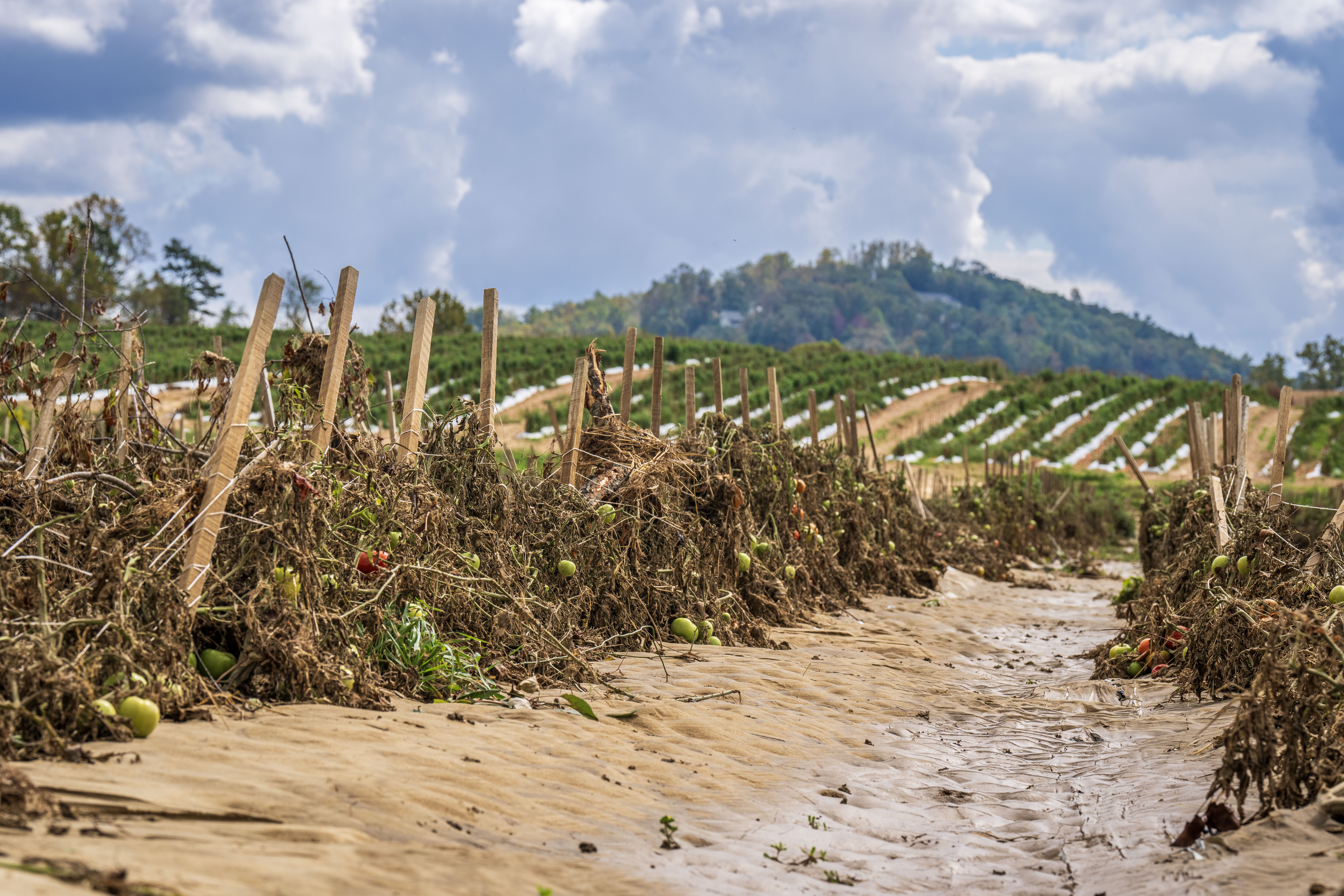
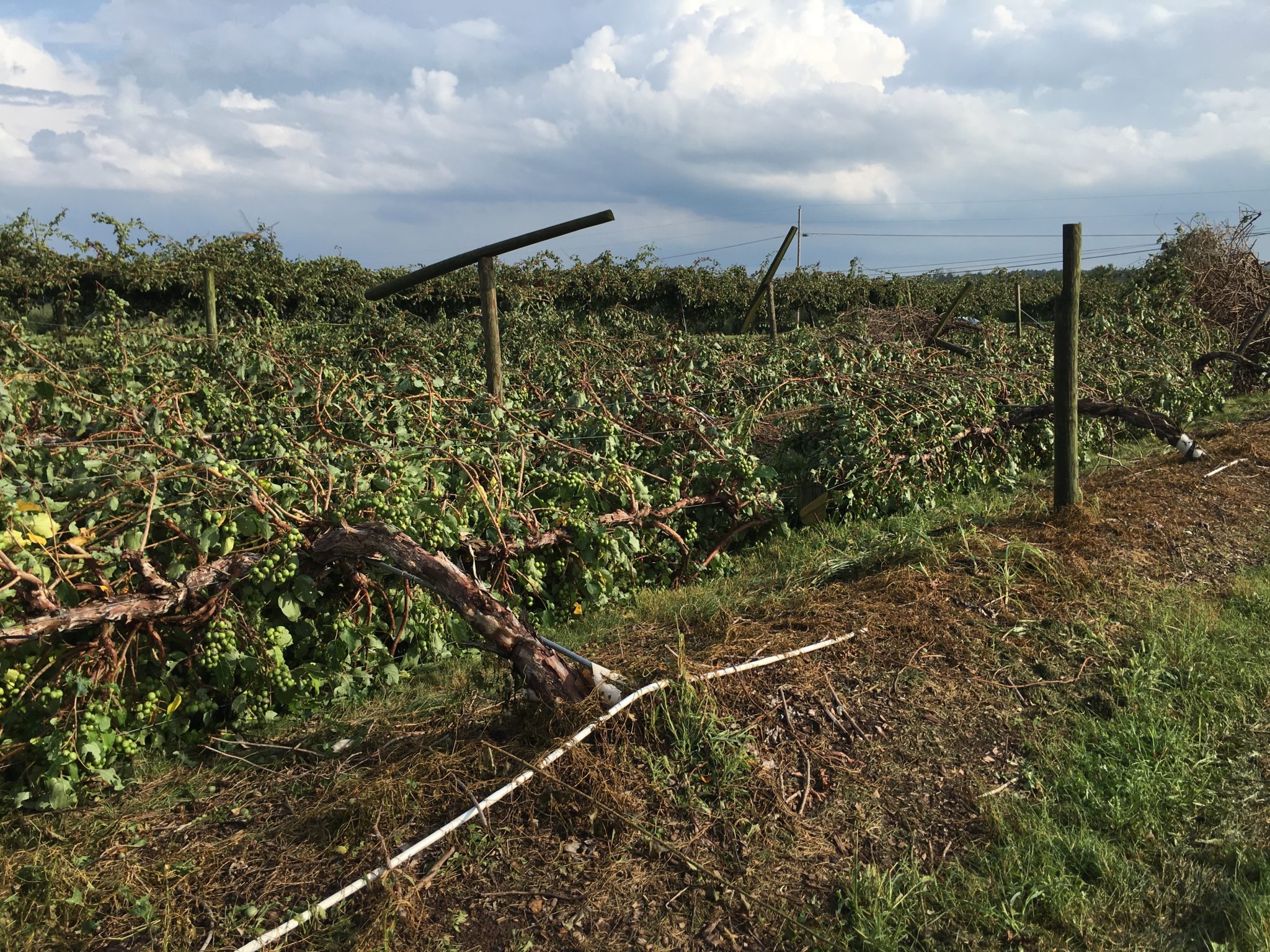
The storm had serious repercussions on agricultural production, which relies heavily on greenhouses. As one grower explained, "Sunshields and greenhouse structures have been damaged. Almost all farms suffered varying degrees of damage, but many have suffered heavy losses." Images of the flood aftermath also show the loss of entire plantations.

The rains also submerged farm workers' housing, says a farm worker. He adds, "the winds and heavy rains blew away the roofs of the habitats. The irrigation room was also broken."

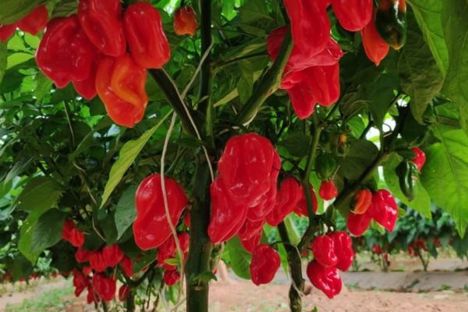
The United Arab Emirates depends on imports for their fresh produce needs, due to the adverse climate. Domestic production is largely dominated by dates, which account for 6% of world production. However, in recent years, greenhouse and hydroponic production has increased in the country. The most widely grown products are tomatoes, cabbages, eggplants, cauliflowers, and fruits such as berries."

In the regions affected by the floods, tomatoes grown in greenhouses were the biggest casualties, the Emirates hardest hit are Abu Dhabi, Dubai, and Sharjah, in the north-west of the country, says a local grower.

Source - https://www.freshplaza.com

01.09.2026

South Africa - Grain SA calls for affordable crop insurance as dry weather threatens Swartland wheat

Severe rainfall shortages threatening the Swartland wheat crop have highlighted the need for government support to make crop insurance affordable for dryland producers.

01.09.2026

USA - Florida farms face nation’s highest disaster loss rate

Natural disasters destroy billions of dollars in U.S. agricultural production each year. From drought and wildfires in the West to hail in the Midwest and hurricanes in the Southeast, farms lose an average of $5.1 billion in crops and livestock annually, according to the Federal Emergency Management Agency.

01.09.2026

Luxembourg small farmer struggles with effects of high temperatures on crops

High temperatures over the summer caused an increase of certain pests harmful to vegetables.

01.09.2026

Nearly 8,000 acres of crops damaged due to dry weather in Sri Lanka

Cabinet Spokesman and Minister of Health Dr. Nalinda Jayatissa said that the estimated crop damage caused so far by the prevailing extreme dry weather conditions is nearly 8,000 acres of farmland belonging to around 7,000 farmers.

01.09.2026

Cyprus - Storm damage recorded in 183 homes as crop losses assessed

Damage to 183 homes, mainly in the Nicosia district, has been recorded following the severe weather that hit Cyprus last Saturday, the interior ministry said on Monday.

01.09.2026

USA - New USDA initiative aims to spur cattle herd rebuilding with insurance, conservation program grazing changes

New insurance options, emergency grazing authorities on Grassland Conservation Reserve Program acres, and guaranteed loans for regional meat processors are among the elements of a package unveiled by Agriculture Secretary Brooke Rollins Monday to encourage producers to rebuild the U.S. cattle herd. 

30.08.2026

Serbia's Drought Halves Crop Yields, Few Farms Insured

Drought in July and August 2026 cut yields by more than half in parts of Serbia, but only 15 percent of farmland is insured. A corn policy costs about 4,500 dinars per hectare.

30.08.2026

India - Maharashtra Approves ₹23.33 Crore Aid For 17,245 Farmers Hit By Crop Damage

The Maharashtra government has sanctioned ₹23.33 crore in relief for 17,245 farmers whose crops were damaged by floods, excessive rainfall, cyclones and hailstorms.