Presence of cereal volunteers in oilseed rape fields and direct drilling could lead to a marked reduction in damage caused by cabbage stem flea beetle (CSFB), a new study says.
The results suggest that relatively simple changes in crop management could help control this ubiquitous pest which, in recent years, has led to many famers abandoning the crop altogether.
The trials, conducted by Rothamsted Research on a farm in Hertfordshire, assessed oilseed rape (OSR) crop damage caused by adult CSFB feeding and larval infestation when sown with different companion plants.
These included clovers, and cereals to simulate delayed application of herbicide to kill volunteers. Application of straw mulch was also tested to simulate drilling into stubble trash.
Dr Sam Cook, who led the study, said: “Plant diversification, especially sowing crops with the addition of companion plants, has been shown to improve insect pest control in many cropping systems.
“And for OSR the need to find similar effects is acute. Since the ban on use of neonicotinoid seed treatments in 2013, CSFB pest infestations have rocketed and the amount of OSR harvested in the UK has fallen by 50%.
"We wanted to see if control methods that are aligned with regenerative agronomic practises could help provide some protection.”
The adult beetles damage the OSR plants by feeding on cotyledons and young leaves early in the autumn, which can threaten crop establishment.
The larval stages also feed in the stem causing reduced yield, and neonicotinoid seed treatments were an effective method of control.
But with the EU-wide ban in place, and the increase in CSFB populations resistant to pyrethroid insecticides, farmers are left without efficient options to manage this pest.
The research team found significant differences in the level of feeding damage between treatments in all experiments.
OSR with cereal companion plants or with straw mulch showed the strongest reduction in adult feeding damage. A protective effect of clover was also observed in one trial.
Differences in larval infestation were also observed between treatments but were not consistent and might be more related to the OSR plant biomass than to treatments.
“This study shows that companion planting can protect OSR crops from both CSFB adult feeding damage and larval infestation,” said Gaëtan Seimandi-Corda who managed the experiments.
“These results suggest that farmers could relatively easily adopt new control techniques, but there is a need for more research to define the best agronomical practices.
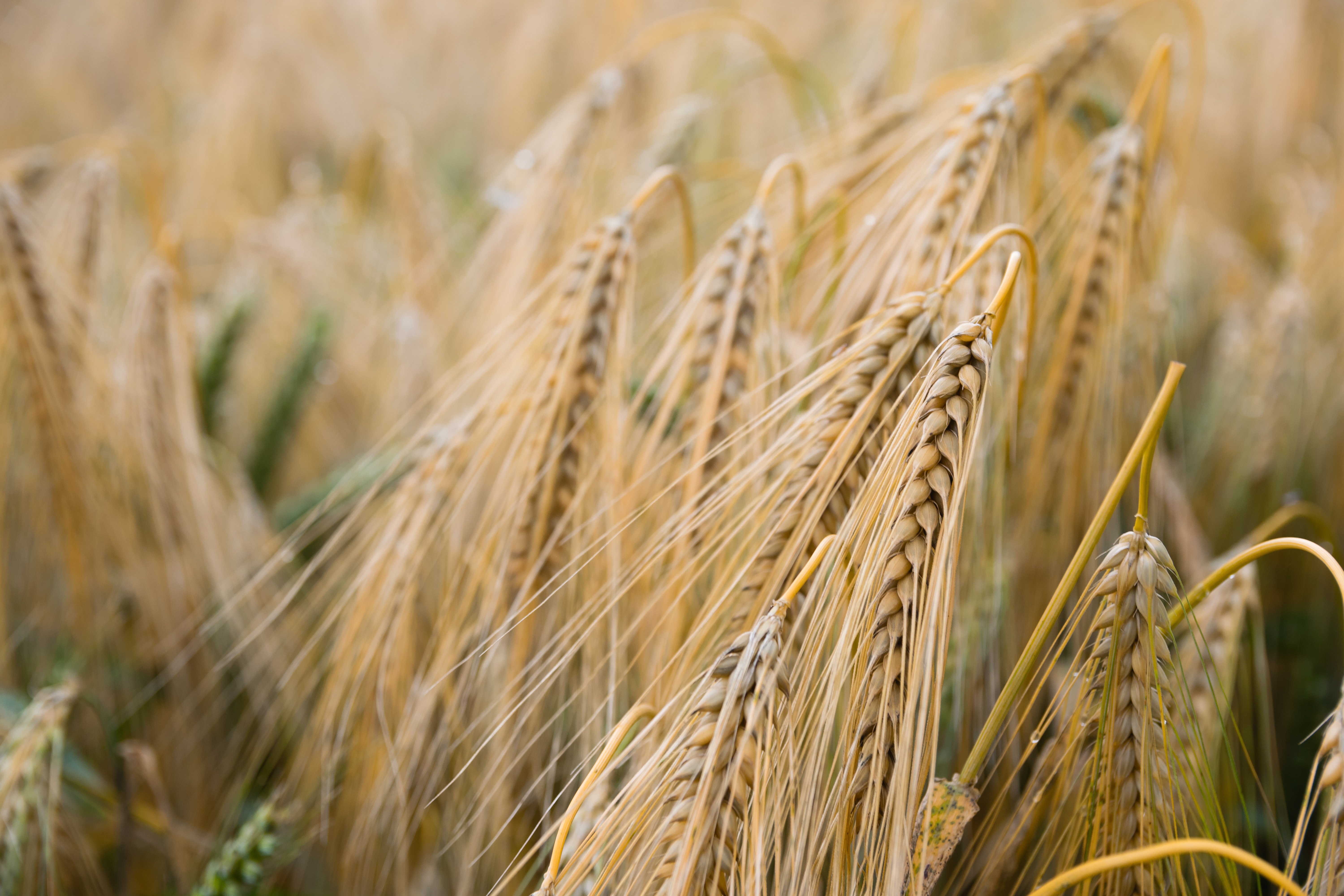
"Cereals such as oats could be sown as companion plants which are later removed, or cereal volunteers could be left for longer before removal to provide protection from CSFB.
"The timing of the volunteer removal or the sowing date of companions is essential for efficacy and to avoid competition between the crop and the companion.”
Companion plants can also deliver additional ecosystem services such as reduced infestation by other insect pests or improved weed management.
“We are now learning that increased plant diversity can promote an increased diversity of beneficial insects within the field," Seimandi-Corda added.
"That can help farmers to farm more sustainably and mitigate some of the negative effects of food production on the environment."
Source - https://www.farminguk.com