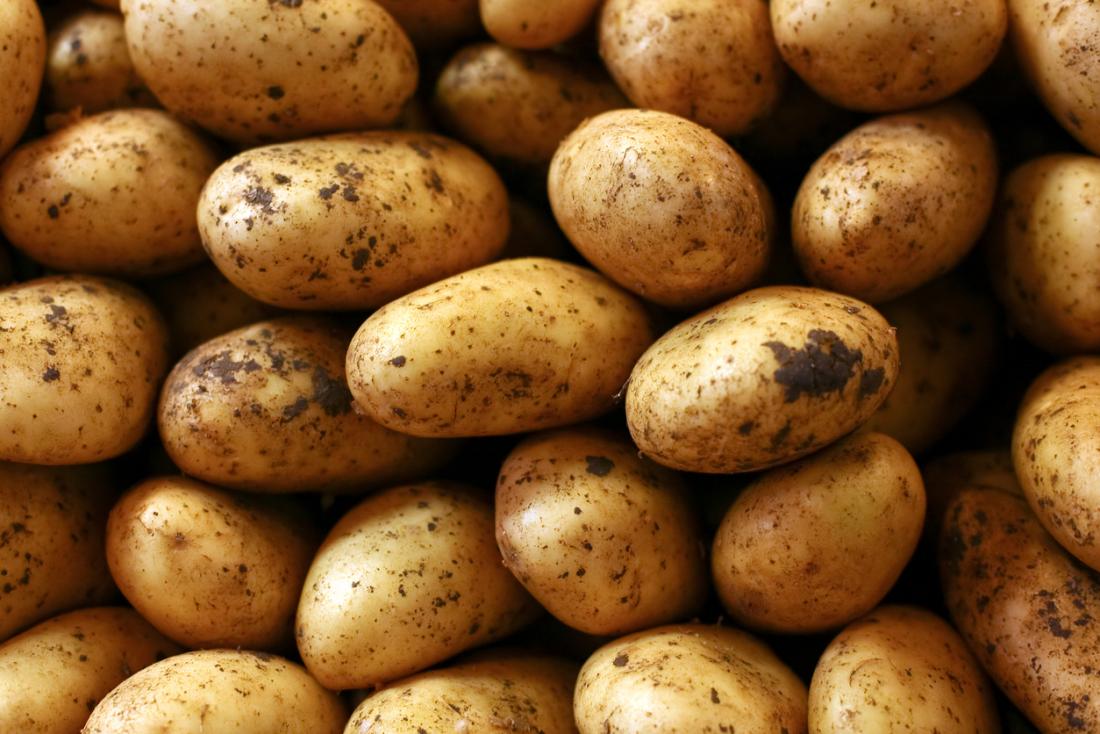
Known to many as the home of potato chips, it’s fair to say Pennsylvania values its spuds.
But, according to a new study from Penn State researchers, the threat of newly identified pathogen strains might cause a huge issue for the state’s precious vegetable, according to a press release.
Researchers collected potato stems or tubers that showed symptoms of blackleg or soft rot from 26 potato fields within the state at Penn State’s Plant Disease Clinic between April and October 2016, 2017 and 2018. Potatoes that exhibited symptoms such as wilting, stunting, black lesions and rotting tubers, were among those that were also collected.
As outlined in their study, blackleg and soft rot are diseases caused by bacteria in the Pectobacterium species and, recently, the Dickeya species.
Additionally, they can also lead to crop loss.
The team of researchers then isolated, cultured and identified 456 samples of bacteria infecting the potatoes. Among those samples, they found six species of Pectobacterium and one strain of Dickeya that had not been reported in Pa. previously, and one species of Pectobacterium had also not been reported in the U.S. previously.
While the findings might cause concern among potato fans (and farmers), Carolee Bull, corresponding author and professor of bacterial systematics and plant pathology at the College of Agricultural Sciences, said the findings will help reveal methods for locating and quantifying the pathogens that are causing blackleg and soft rot.
“In addition to surveillance, these insights could also help us better understand disease epidemiology,” Bull said in the press release. “For example, the pathogens may have different optimum temperatures for growing or for producing these symptoms in the potatoes. So, the severity of the disease may change depending on different climate conditions.”
The emergence of certain species of Pectobacterium is something researchers have already known about. According to Bull, new Pectobacterium and Dickeya species have been discovered, and the pathogens have also caused significant yield losses across the northeast U.S. in recent years.
But since the outbreaks began happening, there has been an elevated monitoring of not only pathogens located in the U.S., but also those not yet found in the country.
One of the latter examples is the Dickeya solani – a bacteria back then that was associated with severe disease outbreaks in Europe.
“The losses in the Maine potato industry, as well as the importance of the potato industry here in Pennsylvania and to the potato chip industry, necessitated that we determine what pathogens may be causing these outbreaks,” Bull said in the release. “We were worried that new pathogens had entered the U.S., including the very devastating Dickeya solani.”
Fortunately, due to the findings, growers can use the information and benefit from the analysis by knowing which organisms were found on which potato varieties.
As for researchers, they will continue their work by testing the effects of the pathogens on the potatoes, developing surveillance tools, and assessing the need for new management practices.
Source - https://www.pennlive.com