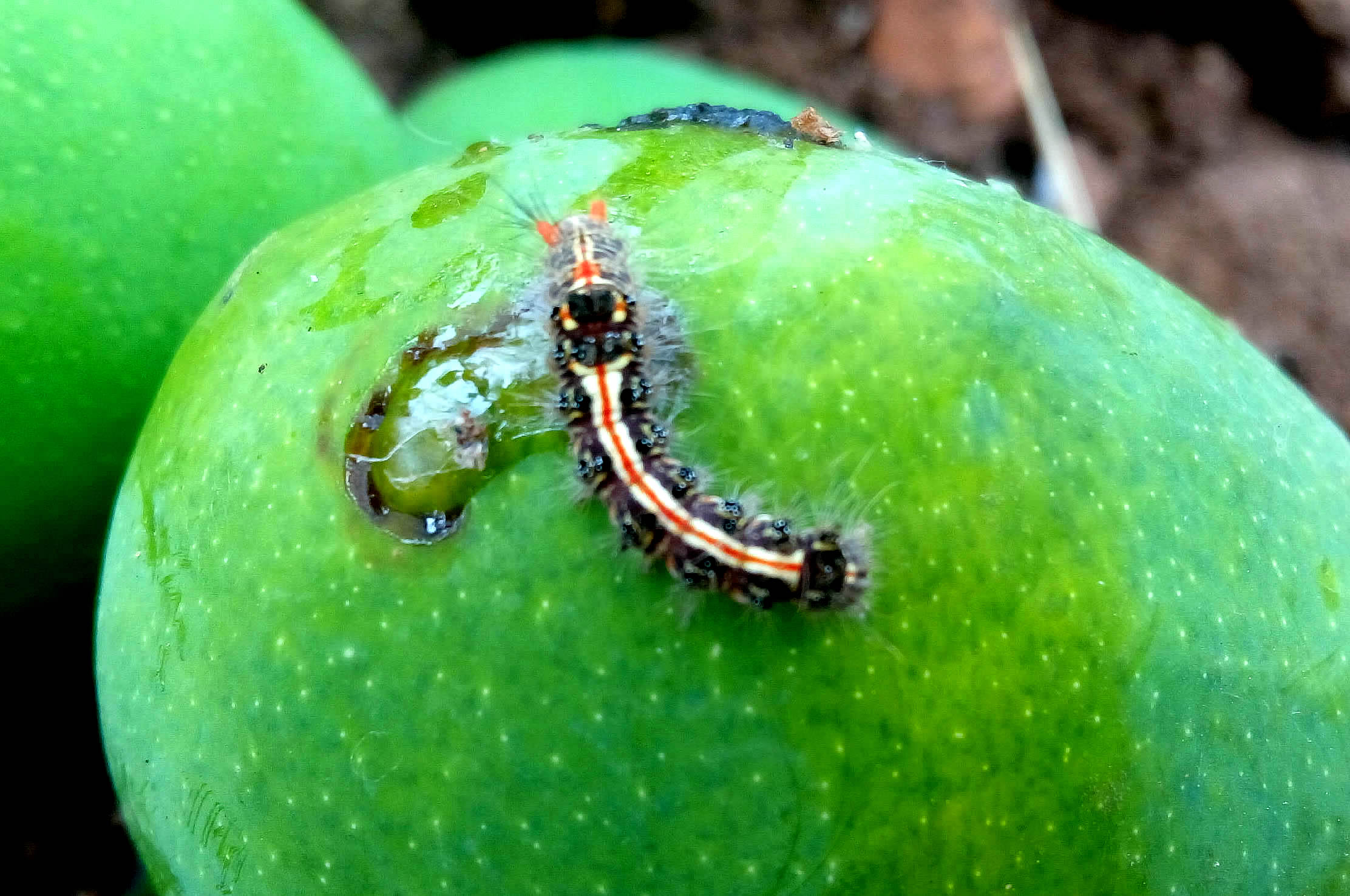
SolaRid, an artificial intelligence-based company that tracks insects in agriculture fields, has received a Phase II grant through the National Science Foundation’s Small Business Innovation Research program. The Clinton-based agtech company received $981,000 to further develop its smart insect control system.
The system enables farmers to fight pests more efficiently, reducing crop loss and pesticide waste, according to the company. A timetable for the completion of this second phase was not released.
“When we can allow farmers to do more with less, we all benefit,” said SolaRid co-founder Don Richardson.
After trapping and imaging pests, the tool employs an AI system to identify and count the pests in real time. Information and predictive management tools are made available at all times through a mobile app. It allows farmers to respond in real time to insect pest infestations.
Each year insects cause about $45 billion worth of damage to U.S. crops. It’s estimated that worldwide, each year, that up to 40% of all crops are lost due to insects and it has a more than $220 billion impact on the global economy, the United Nations Food and Agriculture Organization reported.
Global climate change is predicted to accelerate insect growth. Farmers will need to use pesticides in a more targeted way that produces less waste and better results.
“Every three years, a new damaging species of insects of economic importance is identified in the United States,” Richardson said.
In Phase II, SolaRid will continue refining the system’s hardware and database to produce a rugged, easy-to-use, and comprehensive smart trap.
“It is a significant milestone after five years of development,” said SolaRid managing partner Randy J. Sasaki. “It is also an endorsement by authorities that the AI technology has been developed and of the importance of commercializing the technology that is intended to make America more competitive.”
SolaRid is currently with University of Arkansas researchers to integrate a camera with the system’s solar-powered insect traps.
The system’s pest database will be bolstered through a partnership with the the University of Georgia Center for Invasive Species and Ecosystem Health. Its mapping system, EDDMapS, documents invasive species and pest distribution throughout the U.S. and Canada, with more than 7.8 million records.
Additionally, SolaRid will work with the University of California Agricultural and Natural Resources and USDA Agricultural Resources Services to enhance AI identification of two specific pests: fall armyworms and navel orangeworms, which affect crops including rice, pistachios, figs, and pomegranates.
The Arkansas Small Business and Technology Center has assisted SolaRid since 2019. ASBTDC helped the company receive a $225,000 NSF Phase I grant in 2020 and a $181,500 SBIR award through the U.S. Department of Agriculture last year.
“ASBTDC has been instrumental in our SBIR application processes,” Richardson said. “Catherine Corley provided invaluable technical assistance for our SBIR proposal submission, including counsel on how to respond to reviewers’ comments, as well as how to prepare a competitive application for the SBIR matching funds offered by the Arkansas Economic Development Commission.”
Source - https://talkbusiness.net