USA - Department of Agriculture invests nearly $8 million in 26 game-changing programs

05.02.2025 289 views

The U.S. Department of Agriculture recently announced an investment of more than $7.5 million to help reduce planet-warming gas pollution.

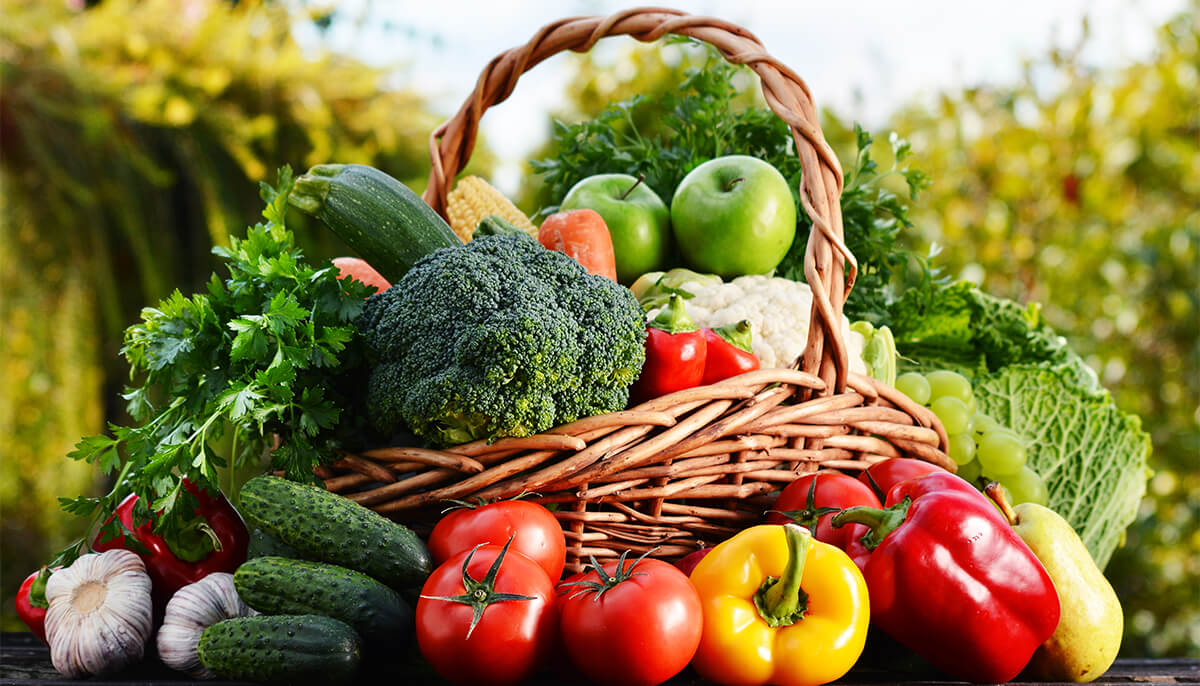
This funding is going toward 26 agreements that support waste management projects. These will reduce food waste and ultimately reduce planet-warming gas pollution. The program, which so far appears to be unaffected by President Donald Trump's recent budget cuts, is called Composting and Food Waste Reduction Cooperative Agreements and features a wide range of impressive projects. 

The Moab Compost Pilot Program aims to divert residential and commercial food waste from landfills and produce beneficial compost for farmers. The City of Minneapolis will use the funds to divert commercial food waste from municipal landfills to generate compost. 

The City of Sun Prairie will implement composting and food waste reduction programs at schools and city-wide events and pilot an 18-month curbside composting service. Sun Prairie's compost will end up at community gardens and urban farms.

Food waste is a significant contributor to our changing climate. When food decomposes, it releases methane. Like other planet-warming gases, methane traps heat in our atmosphere and increases the trend of extreme weather patterns. Proper composting can sequester that pollution in the soil.

There are also the upstream implications for farmers. Perfectly good food that doesn't get used is a waste of the resources that went into growing it, including water, land, and transportation. All of those efforts have their own environmental impact. Funding for programs to mitigate food loss at the producer level (versus food waste at the consumer level) helps farmers maximize the fruits of their labor.

"Efforts to reduce food loss and waste are a vital component of USDA [National Institute of Food and Agriculture's] food safety and nutrition portfolio," said USDA NIFA director Dr. Manjit Misra, via a USDA article. "The projects funded through this initiative will generate new opportunities at the local level for improved food security, economic growth and environmental prosperity."

"These Composting and Food Waste Reduction projects help communities reduce the harmful effects of food waste on the environment," said Terry Cosby, chief of USDA's Natural Resources Conservation Service. "Local strategies and tools like these are important climate solutions and also contribute to food security at the community level."


Source - https://www.thecooldown.com

09.04.2026

Moldova - Farmers received 117 million lei in insurance subsidies

The Agency for Investments and Payments in Agriculture (AIPA) announced that it has completed the payment of insurance subsidies (70% of the amount of insurance premiums) for 654 farmer applications received between February 1 and September 30, 2025. The total amount of subsidies to this category for last year amounted to LE 117.08 million.

09.04.2026

Philippines - Antique farmers urged to plant drought-resistant crops ahead of El Niño

The Antique Office of the Provincial Agriculturist is advising farmers to grow drought-resistant crops in preparation for the possible effects of El Niño.

09.04.2026

India - Farmers Urge Govt To Work On Climate Change Policy, Develop Climate-Resilient Crop Varieties

Farmers who lost their Rabi crops due to untimely hailstorms, rain, and strong winds say compensation is not a foolproof solution to the issue. Instead, the government should develop a comprehensive climate change policy and focus on developing climate-resilient crop varieties, seeds that can withstand excess moisture, resist lodging from strong winds, or mature early enough to escape erratic weather.

09.04.2026

Farmers proffer solutions to tackle Nigeria’s $10bn annual post-harvest losses

Some farmers in the country have proffered workable solutions to address Nigeria’s growing post-harvest losses estimated at $10 billion annually.

09.04.2026

India - Pre-monsoon season emerging as new high-risk period for crops, analysis shows

The monsoon has long been seen as the most destructive season for Indian agriculture, with heavy rains and floods between June and September damaging crops across large areas.

09.04.2026

Azerbaijan plans to insure new crops and boost payments for flood damages

The scope of the agricultural insurance system in Azerbaijan is being expanded, and along with the insurance of new products, the volume of payments for flood and inundation losses is expected to increase, Deputy Chairperson of the Agricultural Insurance Fund (AIF), Laman Aliyeva-Mamishova, told Trend.

08.04.2026

South Korean hail damages 802 hectares of crops in South Jeolla

In South Jeolla Province, a hailstorm caused damage to more than 800 hectares of crops, with the impact concentrated in Naju, the country's main pear production area. This has raised concerns about the 2026 harvest.

08.04.2026

Corn leafhopper caused US$25.8 billion loss over four years in Brazil

The corn leafhopper (Dalbulus maidis), which is considered the crop’s main pest, has caused billions in losses to Brazilian production. A new study has quantified the economic impact of corn stunt diseases on Brazilian production.