The U.S. Department of Agriculture (USDA) today announced that agricultural producers can now enroll in the Farm Service Agency’s (FSA) Agriculture Risk Coverage (ARC) and Price Loss Coverage (PLC) programs for the 2024 crop year. Producers can enroll and make election changes for the 2024 crop year starting Dec. 18, 2023. The deadline to complete enrollment and any election change is March 15, 2024.
On Nov. 16, 2023, President Biden signed into law H.R. 6363, the Further Continuing Appropriations and Other Extensions Act, 2024 (Pub. L. 118-22), which extended the Agriculture Improvement Act of 2018 (Pub. L. 115-334), more commonly known as the 2018 Farm Bill, through September 30, 2024. This extension allows authorized programs, including ARC and PLC, to continue operating.
“Having the Farm Bill extension in place means business as usual for Agriculture Risk Coverage and Price Loss Coverage program implementation for the 2024 crop year— nothing has changed from previous years,” said Zach Ducheneaux, FSA Administrator. “These programs provide critical financial protections against commodity market volatilities for many American farmers so don’t delay enrollment. Avoid the rush and contact your local FSA office for an appointment because even if you are not changing your program election for 2024, you still need to sign a contract to enroll.”
2024 elections and enrollment
Producers can elect coverage and enroll in ARC-County (ARC-CO) or PLC, which provide crop-by-crop protection, or ARC-Individual (ARC-IC), which protects the entire farm. Although election changes for 2024 are optional, producers must enroll through a signed contract each year. Also, if a producer has a multi-year contract on the farm it will continue for 2024 unless an election change is made.
If producers do not submit their election revision by the March 15, 2024, deadline, their election remains the same as their 2023 election for commodities on the farm. Farm owners cannot enroll in either program unless they have a share interest in the cropland.
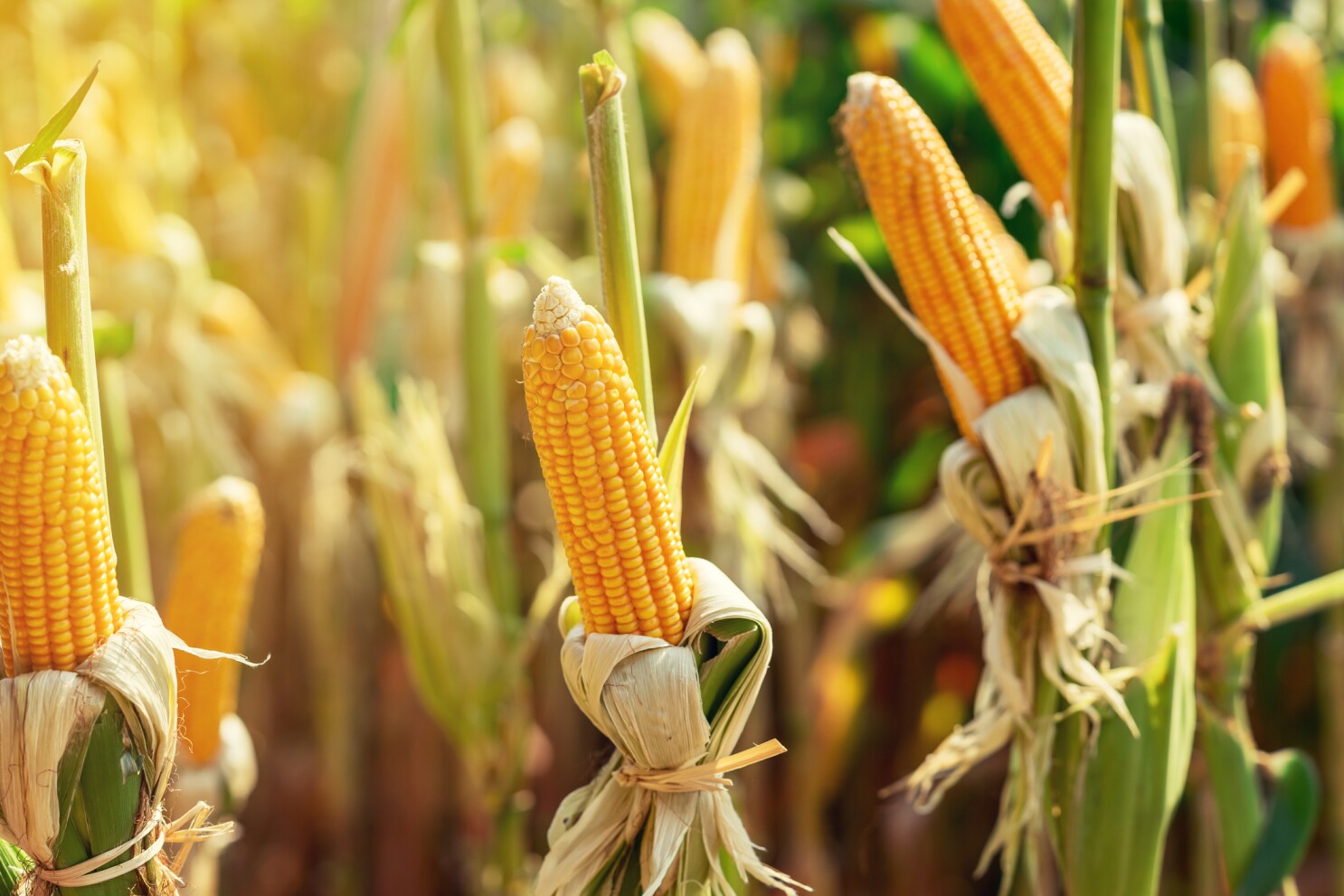
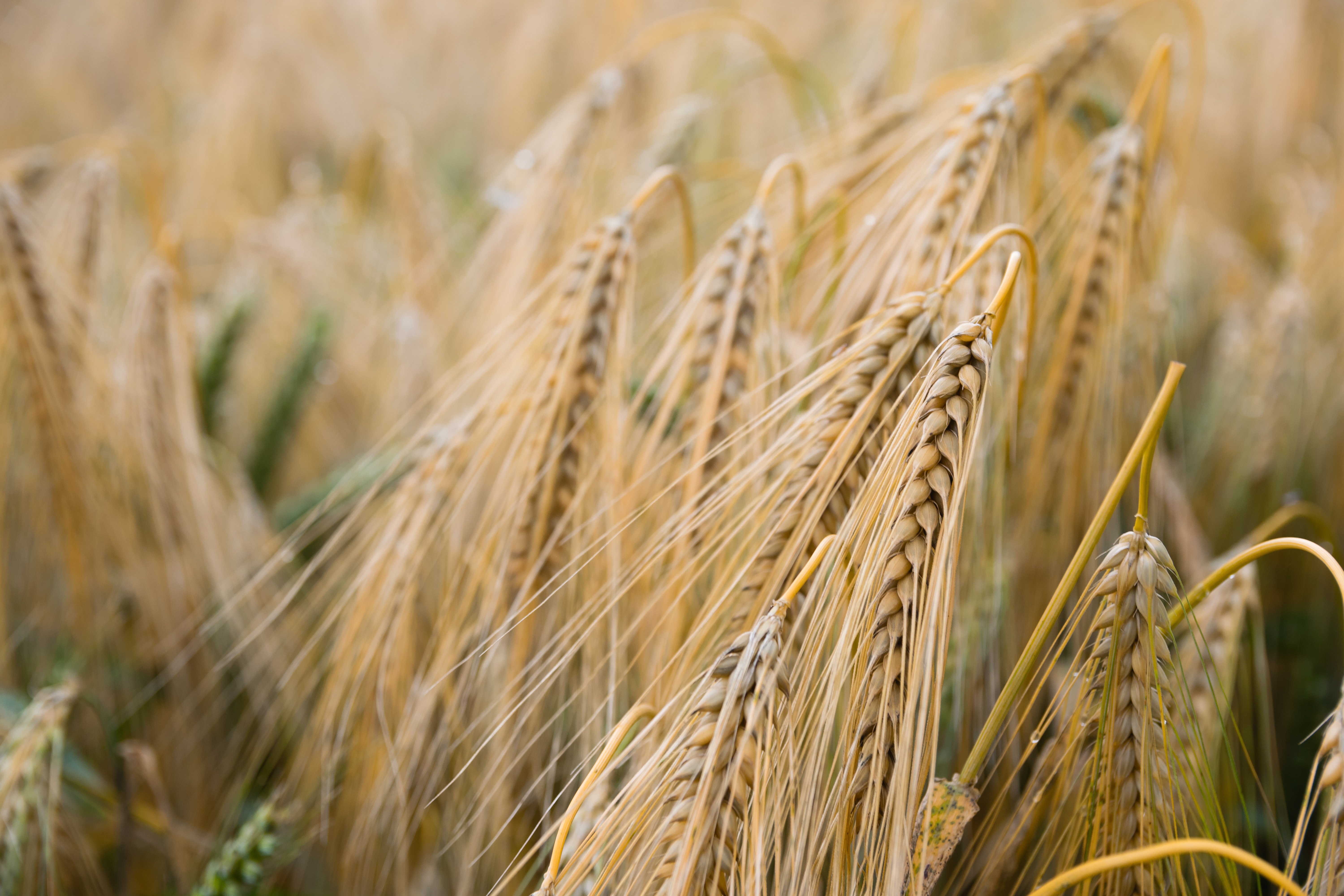
Covered commodities include barley, canola, large and small chickpeas, corn, crambe, flaxseed, grain sorghum, lentils, mustard seed, oats, peanuts, dry peas, rapeseed, long grain rice, medium grain rice, safflower seed, seed cotton, sesame, soybeans, sunflower seed and wheat.
2022 crop year payments
This fall, FSA issued payments totaling more than $267 million to agricultural producers who enrolled in the 2022 ARC-CO option and the ARC ARC-IC option for covered commodities that triggered a payment. Payments through the PLC option did not trigger for the 2022 crop year.
ARC and PLC payments for a given crop year are paid out the following fall to allow actual county yields and the Market Year Average prices to be finalized. These payments help mitigate fluctuations in either revenue or prices for certain crops. Payments for crops that may trigger for the 2023 crop year will be issued in the fall of 2024.
Crop insurance considerations
ARC and PLC are part of a broader USDA safety net that also includes crop insurance and marketing assistance loans. Producers are reminded that ARC and PLC elections and enrollments can impact eligibility for some crop insurance products.
Producers on farms with a PLC election can purchase Supplemental Coverage Option (SCO) through their Approved Insurance Provider; however, producers on farms where ARC is the election are ineligible for SCO on their planted acres for that crop on that farm.
Unlike SCO, the Enhanced Coverage Option (ECO) is unaffected by an ARC election. Producers may add ECO regardless of the farm program election.
Web-based decision tools
Many universities offer web-based decision tools to help producers make informed, educated decisions using crop data specific to their respective farming operations. Producers are encouraged to use the tool of their choice to support their ARC and PLC elections.
Source - https://ocj.com