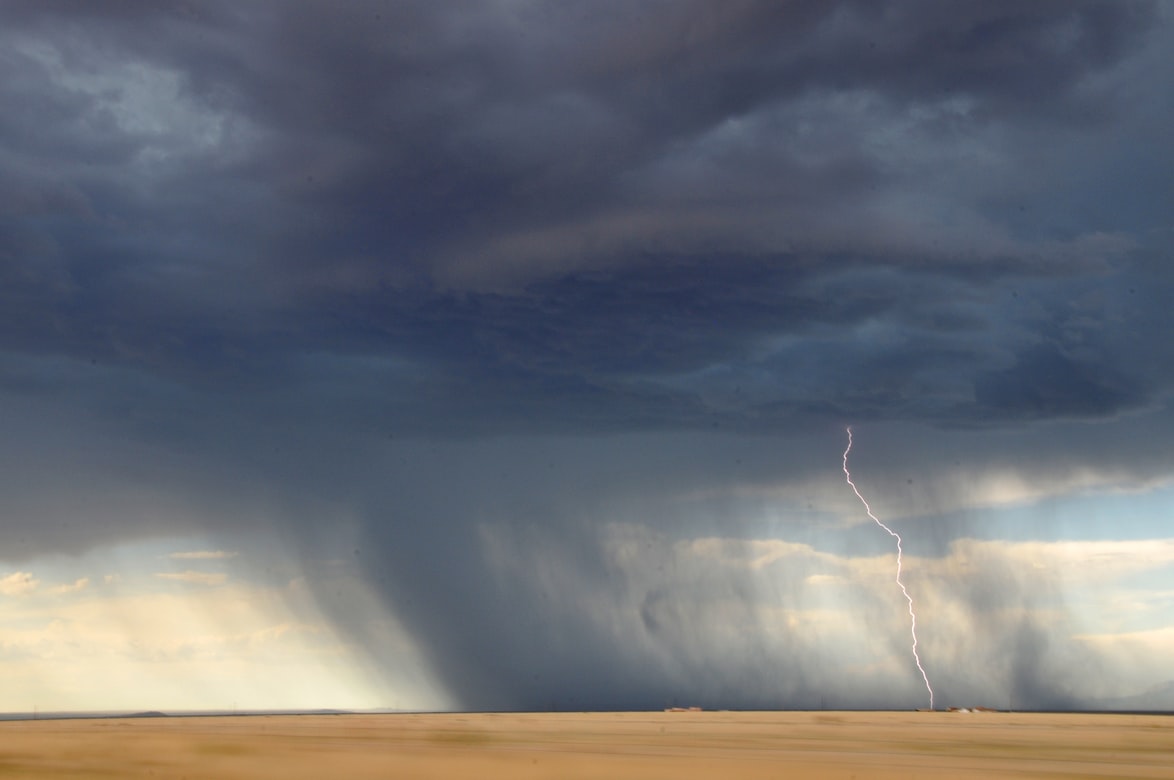
The old saying “rain makes grain” may hold true in many instances; however, this year’s excessive precipitation amounts early in the growing season have caused extensive crop loss in some areas of the Upper Midwest. Large portions of Southern Minnesota, along with adjoining areas of Northern Iowa, and Eastern South Dakota have been impacted by severe storms and excessive rainfall amounts in recent weeks. This has caused considerable drown-out areas in fields, as well as crop damage to the remaining crop in many fields. As of June 21, many rivers across Southern Minnesota were above flood stage, closing roads and flooding farm fields. Some farm operators with floodplain farmland that avoided the initial crop loss following the heavy rainfall events, are now experiencing major flooding and crop loss due to the rising rivers and streams.
Most of the affected regions have received 150 to 200 percent or more, of their normal rainfall amounts since late April, with even higher levels of above-normal rainfall during the month of June. Some locations have received 5-10 inches of rain or more during the week from June 15-21, with more expected in future days. Most soils in the region are totally saturated and drainage systems are at capacity, so any amount of excessive rainfall can quite rapidly result in considerable standing water in crop fields. In most areas of Southern Minnesota, Northern Iowa, and Eastern South Dakota, the primary crop loss has been to existing crops that had already been planted once or twice in 2024; however, there are some farm operators had not completed their 2024 corn and soybean planting prior to the heavy rainfall events in June.
As of June 19, prior to the heavy rainfall events of June 20-22, the University of Minnesota Southern Research and Outreach Center at Waseca had received over 7 inches of rainfall during the month of June, which compares to a normal average June rainfall of 5.32 inches. From April 1 through June 19, the Waseca location had received over 19 inches of precipitation, which is approximately 8 inches above the normal precipitation during that period. The U of M Southwest Research and Outreach Center at Lamberton recorded 9.94 inches of precipitation from May 1 through June 17, prior to the heavy rainfall that has occurred since that time, which was 67 percent above the normal precipitation for the early portion of the growing season. Several locations in Southern Minnesota and Northern Iowa have now received June precipitation amounts that are among the highest ever and have had total precipitation amounts since May 1st that are 2-3 times the normal amount for that period.
In addition to the crop loss from the excess precipitation, another major concern that is developing as a result of the frequent heavy June rainfall events is the loss or lack of available nitrogen for the growing corn. Much of the nitrogen fertilizer for the 2024 corn crop was applied last Fall or early this Spring, prior to planting. Soil nitrogen losses increase substantially during heavy rainfall events early in the growing season, such as have occurred in the past few weeks. Many corn plants have developed very shallow root systems, which have not been able to access the nitrogen that is deeper in the soil profile. In some cases, farmers planned to side dress the nitrogen after planting, but have been unable to do so due to the continual saturated field conditions. As a result of these situations, there may be a need for supplemental nitrogen applications to maintain normal crop development.
Another concern with the persistent wet field conditions is timely herbicide applications for weed control. Producers that were relying totally on post-emergence herbicides for weed control have had difficulty getting these products applied in a timely fashion, which is resulting in strong weed pressure in some fields. We have already passed the time window for allowable applications of dicamba herbicide in soybeans, as well as for some other post-emergence herbicides used in corn and soybeans. Producers should contact their agronomist or crop consultant for further considerations regarding additional nitrogen for the 2024 corn crop, as well as for late-season post-emergence herbicide options for this year’s crop.
The month of June has featured normal or above-normal temperatures in most portions of the Corn Belt. As of June 19, the accumulated growing degree units (GDU’s) at the Waseca Research Center since May 1 totaled 706 GDU’s, which is approximately 8 percent ahead of normal. In areas that have avoided the heavy rainfall events and crop loss in June, the adequate moisture and favorable growing conditions have allowed for rapid development of corn and soybeans in many areas of the Upper Midwest.
The weekly USDA Crop Condition Report on June 17 listed 72 percent of the U.S. corn crop and 70 percent of the U.S. soybean crop as “good to excellent”; however, that crop rating has declined in the past couple of weeks due to developing dryness in portions of the Eastern Corn Belt and the Central Plains States. The “good-to-excellent” crop ratings for Minnesota were 71 percent for corn and 70 percent for soybeans, with only 3 percent of the corn and 2 percent of the soybeans rated as “poor”. The Minnesota numbers could likely decline in the coming weeks, following the frequent heavy rainfall events during June in the primary corn and soybean production areas in Southern Minnesota. The June 17 “good-to-excellent” crop ratings in Iowa were at 74 percent for both corn and soybeans, while Nebraska was at 81 percent for corn and 79 percent for soybeans, and South Dakota was at 78 percent for corn and 75 percent for soybeans.
Crop Insurance Considerations
Another factor affecting replant and crop management decisions following the excessive rainfall events in June is the type of Federal Crop Insurance policy and level of insurance coverage that a farm operator is carrying for 2024. Producers with a “replant clause” on their crop insurance coverage could be eligible for some compensation for replanting following crop losses from heavy rains, hail, or other natural causes. To qualify for replant compensation, farmers must have a loss area of at least 20 acres, or 20 percent of the total acres in an insured farm unit, whichever is less. With “enterprise units”, smaller areas of fields may be grouped together to reach that threshold level. The crop insurance replant provision can only be exercised once in a given year on the same crop acres. Some farm operators may have already used the replant option following poor emergence in late May or early June, and thus could not use the replant provision again following the recent excessive rainfall.
Crop producers will need to decide if replanting corn or soybeans this late is a viable option. Corn could likely only be used as livestock feed, and soybeans planted around July 1 in Southern Minnesota may only have a yield potential of about 30-35 bushels per acre. The 2024 crop insurance Spring prices were $4.66 per bushel for corn and $11.55 per bushel for soybeans. Current prices for December corn futures are near $4.50 per bushel, and near $11.00 per bushel for November soybean futures. At those price levels with an 85 percent crop insurance policy, a producer with a 200 bushel per acre APH corn yield would start collecting crop insurance indemnity payments at a final 2024 corn yield of approximately 176 bushels per acre and with a 60 bushel per acre APH soybean yield, indemnity payments would be initiated at a final 2024 soybean yield of approximately 53 bushels per acre.
Producers need to report prevented planted and replant acres need their crop insurance agent. The insurance agents can also be a good resource regarding final planting dates, prevented planting options, and replant considerations. Kent Thiesse, Farm Management Analyst, has prepared an information sheet titled: “Late and Prevented Planting Options for 2024”, which contains details on prevented planting and replant requirements and considerations.
Every producer’s situation is different regarding late and prevented planting options, as a result, the best option will vary considerably from farm-to-farm, depending on differences in yield potential and insurance coverage. Farm operators should contact their crop insurance agent, agronomist, and farm management advisor to assist with making decision. The choice that is made could result in a difference of thousands of dollars in the potential insurance coverage.
Source - https://www.morningagclips.com