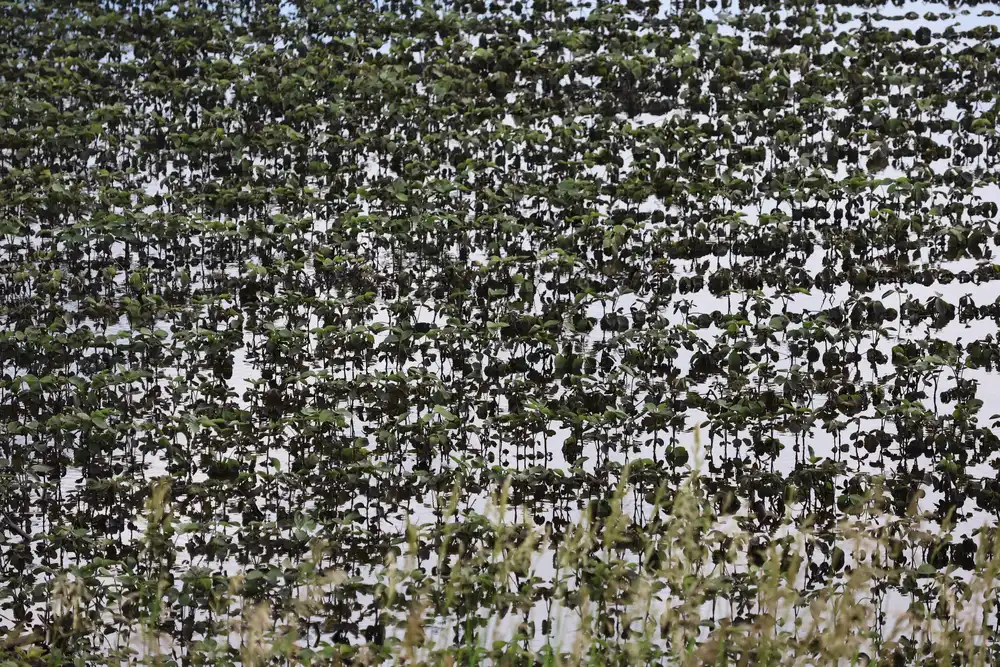
Farmers are assessing crop damage from heavy rain in many areas of the state.
In southern Minnesota, many farm fields were under water as torrential rain pushed ditches and rivers out of their banks.
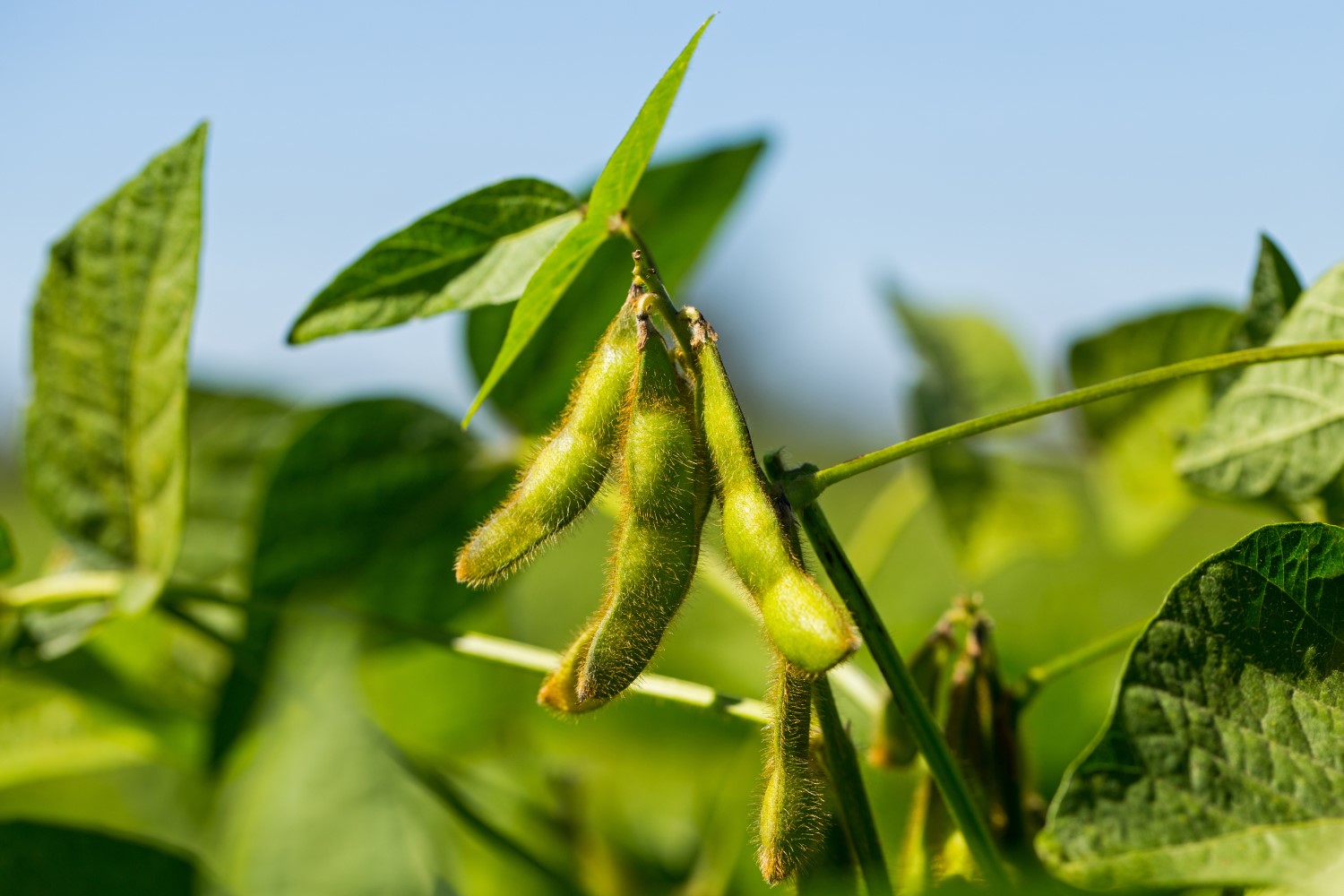
“After corn or soybeans have been flooded this time of year for 24 to 48 hours, if we have warm temperatures, that crop will actually die,” said University of Minnesota agronomist Seth Naeve.
“A pretty dire situation,” is how Minnesota Soybean Growers Association president Darin Johnson described conditions on his farm near Wells in south central Minnesota.
In a blog post, Johnson said seven to 10 inches of rain inundated many fields.
“This is some of the worst drown-out we’ve seen in about 15 years, so it’s been a long time, but there’s still some decent-looking crop around,” he said.
Location is key to crop survival. Higher ground drains more quickly, giving plants a chance to recover.
But even in areas where fields are not flooded, Naeve said soil is saturated from persistent rain across much of the state.
“We’re in a condition now where a lot of our soil could probably get by most of the rest of the year without any additional rainfall,” he said.
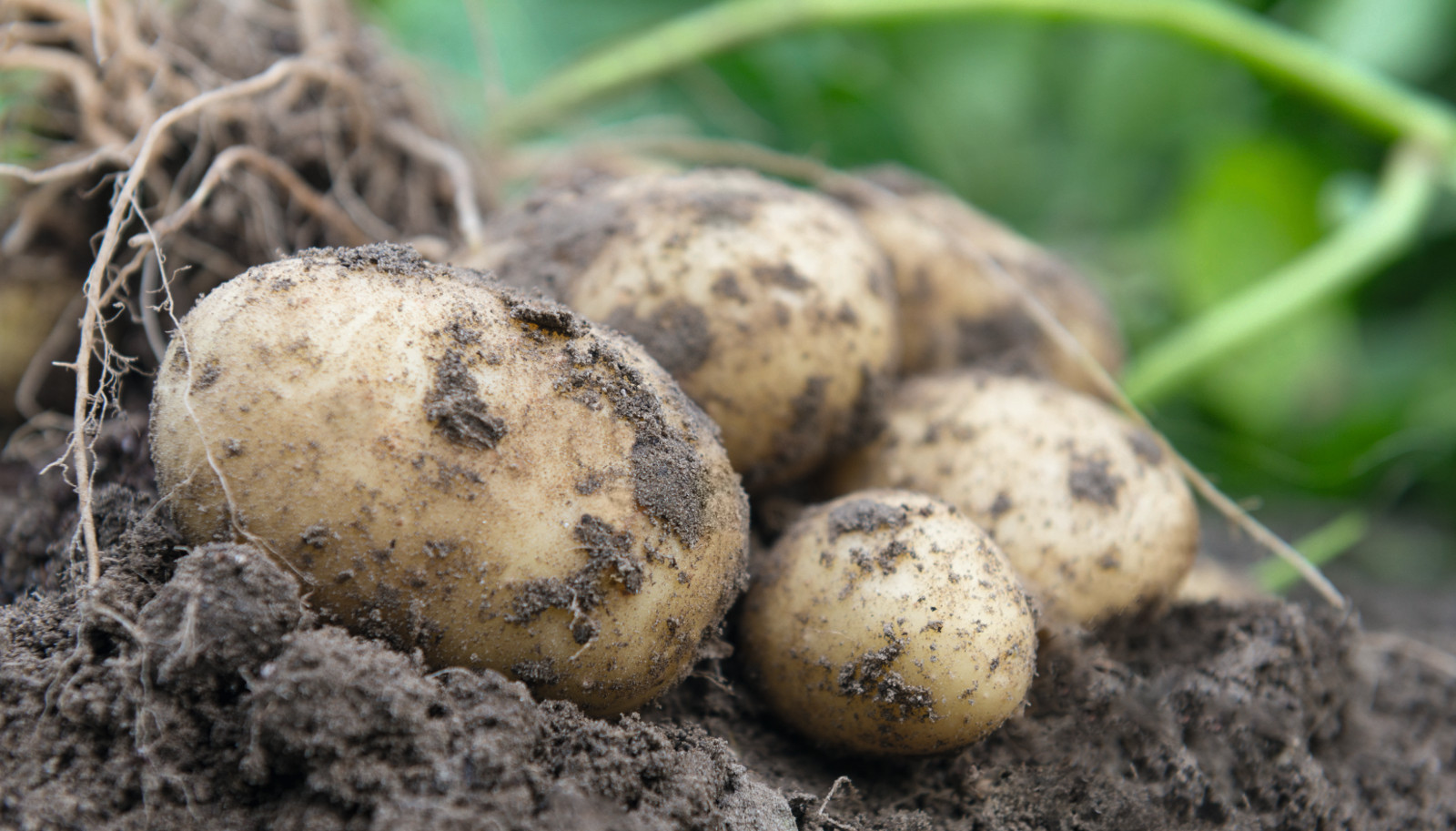
Drowning in floodwater isn’t the only risk for crops. Too much rainfall flowing down through the soil takes nutrients the plants need deeper into the soil, sometimes beyond the reach of crop roots. Loss of nitrogen is particularly damaging for corn plants.
Wet conditions can also make controlling weeds difficult because farmers can’t apply herbicides in a timely manner.
Naeve said cool, wet conditions also favor development of plant diseases and some unusual challenges.
He said one farmer in southeastern Minnesota recently had a soybean field destroyed by slugs, a problem Naeve said happens farther south but is rare in Minnesota.
The wet conditions and cool temperatures this summer have combined to slow the growth of crops in many areas and they need warm, dry weather to catch up in a state with a relatively short growing season.
“The crop needs to really cruise and be on the gas all year in order for us to get really high yield,” said Naeve. “I’m hearing a lot of reports about crops that are just kind of standing still right now. They may look OK, but they don’t look like a July 1 crop.”
It will take some time to assess crop damage from flooding. Farmers have until July 15 to report damage to crop insurance agents. The USDA will also gather data about crop loss to help inform crop yield predictions.
Source - https://www.mprnews.org