USA - Governor Newsom plans $22 million spend to tackle California's exotic fruit fly infestation

12.01.2024 591 views

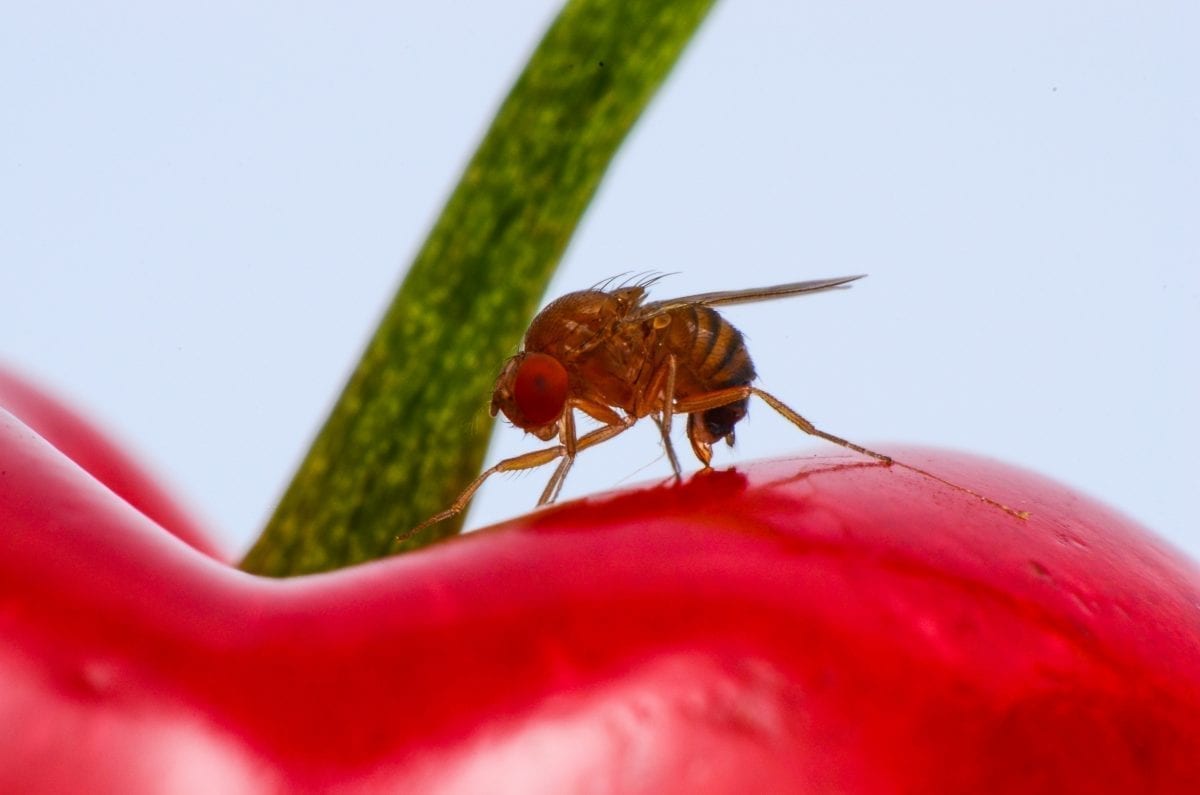
California is grappling with a major agricultural issue, as a tiny insect wreaks havoc on the state's farming industry. On Wednesday, Governor Gavin Newsom unveiled his plan to allocate $22 million towards tackling the problem. The governor's strategy involves investing millions in efforts to curb the proliferation of exotic fruit flies, including the Mediterranean, Mexican, and Oriental fruit fly, in California.

The governor’s 2024-25 budget, unveiled on Wednesday, stated: “California is experiencing the largest fruit fly infestation in its history.” Newsom, during a press conference on Wednesday, underscored the importance of this spending proposal and humorously questioned if the younger generation is even aware of what a fruit fly is.

As per the Western Growers Association, the exotic fruit flies have affected a range of crops, including blueberries, grapes, melons, peaches, pomegranates, and strawberries. The California Department of Food and Agriculture has set up seven active quarantines and initiated projects to trap the insects in 15 counties across the state, as per the budget document. The document further reads, “Given the magnitude of the infestation, increased detection and eradication efforts this year necessitate additional resources.” Therefore, the governor suggests a $22.1 million spend from the general fund to counter the “potentially harmful and destructive” exotic fruit fly infestations across the state.

Source - https://www.freshplaza.com

28.04.2026

Philippines seeks 500 million USD for engineered bamboo development

The project is currently at the concept stage, with feasibility studies expected to take five to six months and overall preparation about a year. Implementation could begin in 2027, pending loan approval.

28.04.2026

Insurance compensation of 186,000 manats paid to tobacco farmers in Azerbaijan

To date, 186,000 manats of insurance compensation have been paid to farmers and farms in the tobacco industry in Azerbaijan.

28.04.2026

USA - Climate Disasters Are Straining Hawaii’s Insurance System

Frequent and costly disasters are driving up premiums and leaving many properties uninsured or underinsured. 

28.04.2026

Brazil - São Paulo releases R$400 million in rural credit in a record package for farmers, agricultural insurance, machinery, and land regularization

The package announced at Agrishow in Ribeirão Preto combines rural credit, agricultural insurance, land tenure regularization, mechanization, inclusion of women, innovation, and environmental actions, with R$ 455 million in investments aimed at strengthening São Paulo’s agribusiness.

28.04.2026

When will Moldovan authorities announce a call for applications for subsidizing agrarian insurance?

To date, the MAIA Ministry of Agriculture and Food Industry has not yet announced the start of the next stage of accepting applications for subsidies under agricultural risk insurance contracts concluded in the fall and winter period. While waiting for this announcement, some insurance companies are being "restrained" in the agricultural segment - they insure only livestock farms and perennial crop plantations of their regular customers.

28.04.2026

USA - USDA just doubled disaster payments, and gave farmers until August 12

SDRP disaster payment farmers 2026 just got a major upgrade. Agriculture Secretary Brooke Rollins announced on April 24 in Higginsville, Missouri that USDA is raising the Supplemental Disaster Relief Program payment factor from 35 percent to 70 percent. 

27.04.2026

India - Crop Ruined by Parrots is 'Damage by Wild Animals', says HC; Gives Relief

Holding that citizens cannot be forced to bear losses caused by protected wild animals, the Nagpur Bench of the Bombay High Court has ruled that denying compensation to a farmer merely because parrots were omitted from a government list would breach principles of equality. 

27.04.2026

The World Bank: Agri-risk management in Bulgaria

CAP has steered Bulgarian agriculture toward greater resilience, but the sector continues to suffer from an absence of a comprehensive risk management strategy and limited research on internal and external risks, the report concludes.