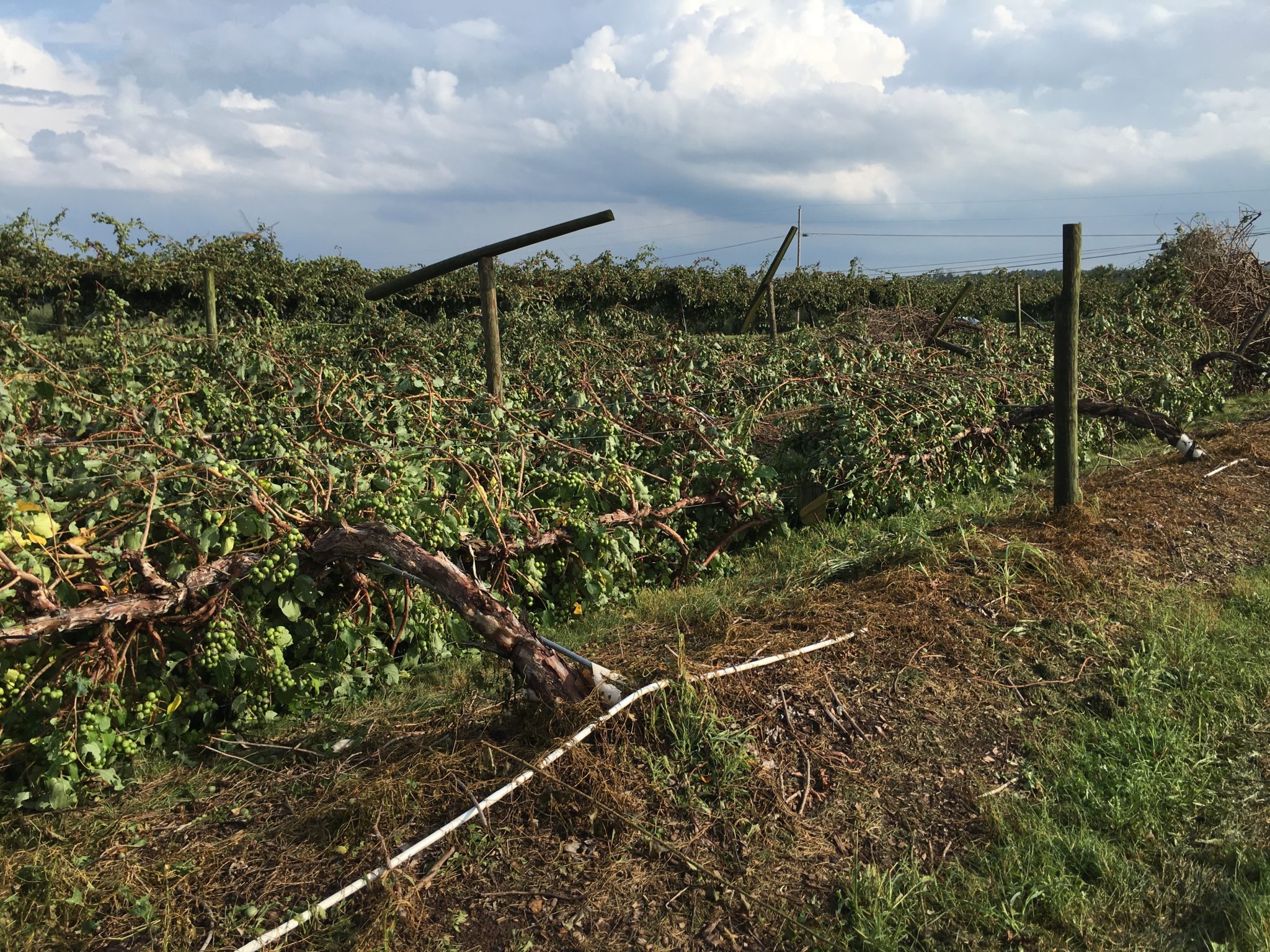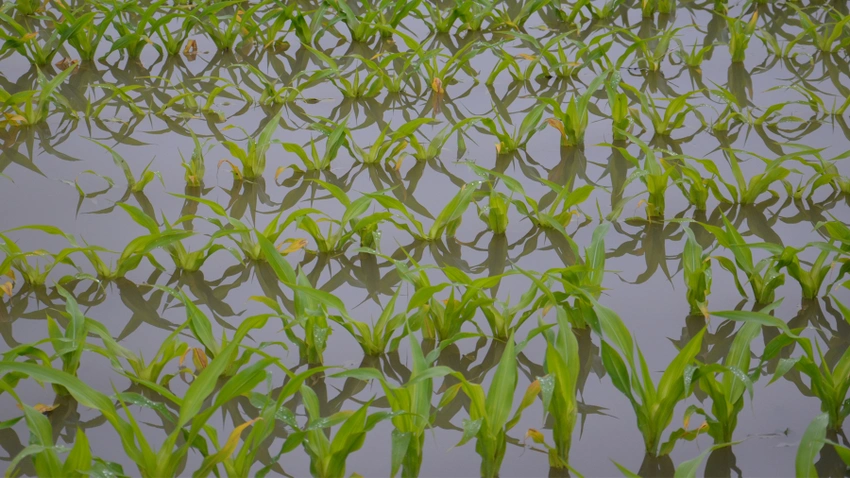
Several areas, particularly in eastern Nebraska, encountered severe storms this week. Rainfall reports ranged from three to seven-plus inches of rainfall overnight. Some areas fared relatively well, while others are still waiting for waters to recede to assess the damage.
Now, the question for some producers is: How long will the crop survive in standing water and what does this mean for the rest of the growing season?
Crop Survival
Corn and soybean progress varied across the impacted area, depending on the planting date. Flood damage depends on several factors: crop growth stage and development, frequency and duration of flooding,air-soil temperature, and field drainage capabilities.
If temperatures are warm and soils are saturated with water, plant respiration rates will increase. This causes oxygen levels to decline rapidly in the soil and more plant stress to occur. Two CropWatch articles written by Timmerman et al. (2018) describe how long corn and soybeans can be under water before plant death occurs. A brief summary follows:
Corn
- Prior to V6: Plants can survive under water for two to four days if temperatures do not exceed 77°F.
- V7—V10: Plants can survive seven to 10 days if temperatures do not exceed 86°F.
- VT—R1: Reduced nutrient uptake and successful pollination if standing water is present longer than two to four days. Yield losses may occur.
Soybeans
- Yield losses minimal if flooding lasts less than 48 hours.
- Flooded for four to five days, fewer nodes develop and plants will be shorter.
- Flooded for six-plus days, possible stand and yield loss. The longer it takes a field to dry out, the more yield loss that may occur.
- Soybeans at flowering: Potential yield loss, especially on poorly drained soils.
- R3—R5: Higher yield loss potential
Bob Nielson, Purdue University extension agronomist, wrote an article on the “Effects of Flooding or Ponding on Corn Prior to Tasseling” and noted some additional things to keep in mind:
- Completely submerged plants are at higher risk than partially submerged plants.
- Soil oxygen is depleted within 48 hours of soil saturation, causing root stress.
- Mud or soil on the plants reduces photosynthesis and may pre-dispose plants to diseases.
- New root growth may be stunted after flooding.
- Plants may turn orange or purple due to nutrient deficiencies or deteriorating roots.
- Diseases such as common smut, crazy top, or root and stalk rots may develop. (See related story.)
- Plants may be more susceptible to green snap or root lodging.
What to do Now
Unfortunately, it’s a waiting game to see how the crop looks once floodwaters recede. Be sure to take diligent records and photos and talk to your crop insurance adjuster to determine if crop loss occurred.
A plan to keep in mind if crops don’t recover is to consider a forage, cover crop, or small grain this fall to cover the ground, aid with erosion, and/or provide forage.
Source - https://www.no-tillfarmer.com