A mild winter short of frost should mean a strawberry harvest bonanza, but one invasive bug threatens the state's crop.
The chilli thrips gets around, too. California, Texas, Hawaii and other states across the southern tier of the U.S. have already reported vegetable, fruit and ornamental damage caused by the voracious insect.
"This is currently a major problem," Sriyanka Lahiri from the University of Florida's Institute of Food and Agricultural Sciences said. "They become resistant to these chemicals (pesticides), and their population just explodes in the field, and they’re (farmers) unable to control them for the rest of the season."
Up to 80% crop loss possible
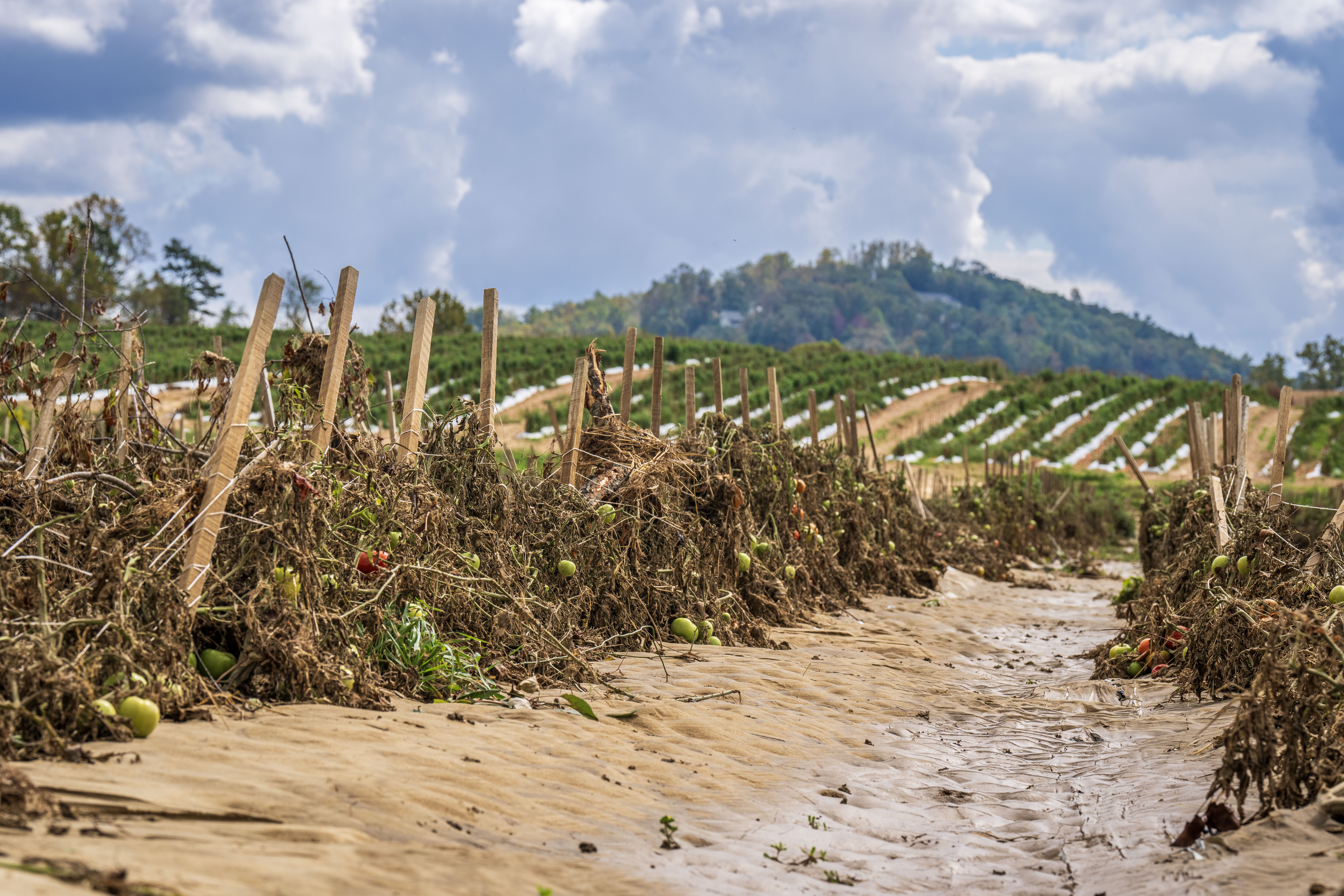
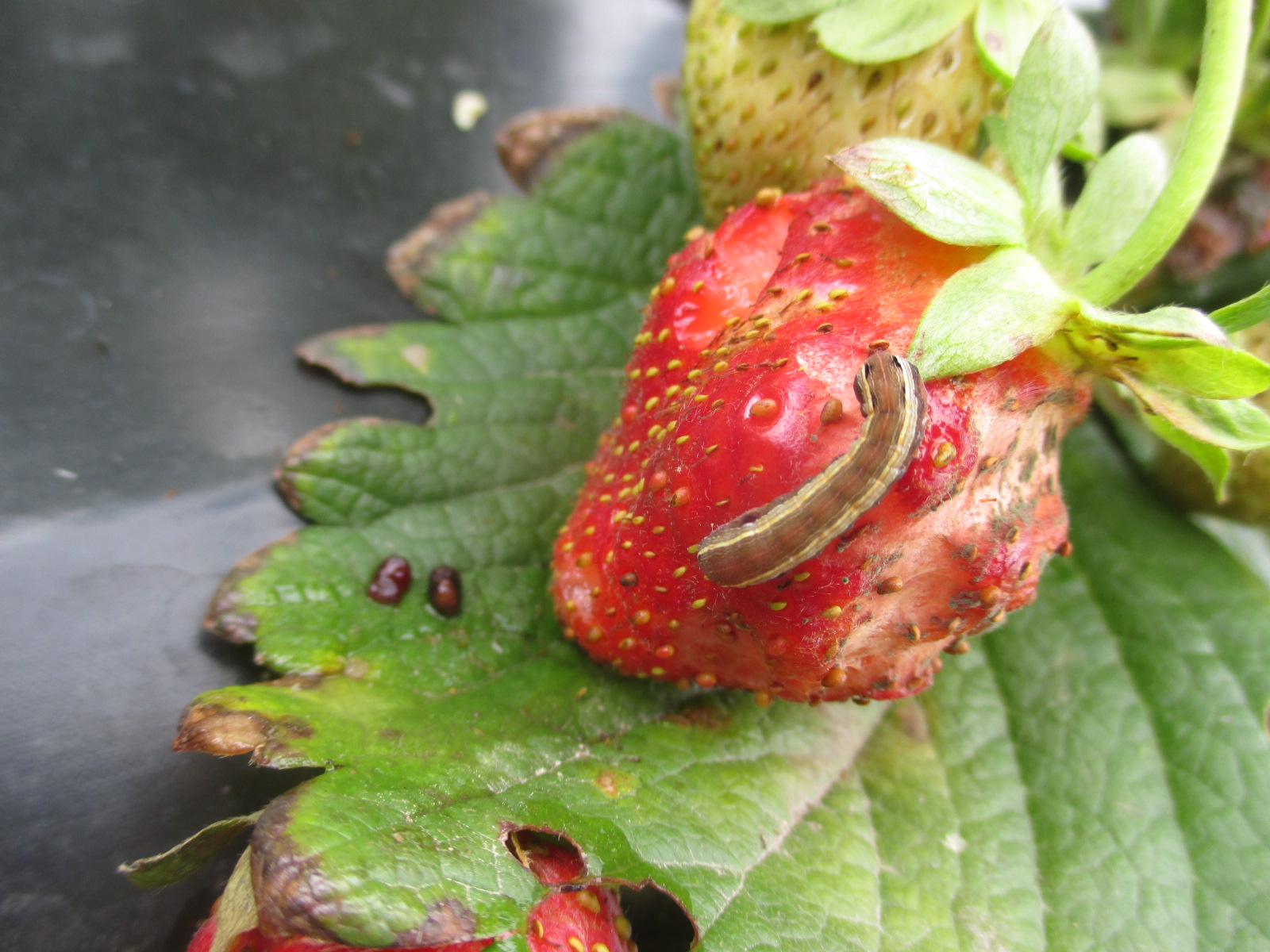
The pest is a relative newcomer to Florida but is already taking a toll. The sap suckers pierce buds and young leaves, causing them to blacken and sometimes wither and fall off. The plant is stunted, and the fruits and vegetables discolor and sometimes crack too.
"If the plants aren't rescued in time, up to 80% of the fruit can be lost," Lahiri continued.
That could cost the Sunshine State up to $1.2 billion of its $1.5 billion strawberry industry.
"All above-ground parts of its host plants may be discolored or distorted by its feeding," wrote the University of California Integrated Pest Management Program in a warning. "Infested leaves and heavily infested plants can be atypically undersized. Feeding on buds may cause them to become brittle and drop. Some hosts, when heavily infested, prematurely drop many or all of their leaves."
America at risk
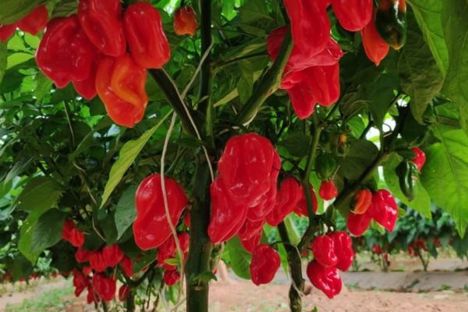
It is not just strawberries in Florida. The native of Southeast Asia or India devours more than 225 types of fruit, vegetable and ornamental plants. University of Florida researchers warned of a devastating economic impact on bananas, beans, cashews, corn, citrus, cocoa, cotton, eggplants, grapes, mangos, melons, peanuts, peppers, poplar trees, roses, sweet potatoes, tea and tomatoes.
The invaders have been found as far north as Massachusetts, New York and Pennsylvania.
"Based on the environment of its occurrence elsewhere, chilli thrips is expected to spread throughout most of California," stated the UC IPM.
That could mean an infestation in the breadbasket of America, and Ohio State University argues the world. California's Central Valley alone produces a quarter of the nation's food, according to the U.S. Geological Survey. Over two-thirds of the fruits and one-third of the vegetables consumed by Americans come from California.
How did they get to the US?
Thrips arrived on produce and other commodity plants, inspectors suspect. The pest continues to spread by drifting on wind currents and hitching rides on existing plants, including in a plant nursery.
"According to USDA-APHIS inspectors, S. dorsalis (chilli thrips) was intercepted approximately 89 times at several ports between 1984 to 2002, mainly from imported plant materials such as cut flowers, fruits, and vegetables," reported UF.
Sneaky and resistant pest
The bug not only adapts to insecticides, but it hides from them, making the chemicals ineffective.
"It can adapt so rapidly and become resistant to all the chemistries we currently have labeled," Kenneth Parker of the Florida Strawberry Growers Association said. "And the location that it is in, within the plant, like, it will be under the calyx of the berry."
The calyx is the cap of the berry, and the tiny insects hide under the leafy green sepals. The insects are about the thickness of the tip of a ballpoint pen. Adults can also lay eggs inside the leaf to avoid spraying.
By the time the farmer notices damage, it may be too late.
"When damage is noticed, the thrips may no longer be present, because damage from thrips feeding does not become apparent until later, when plant tissue has expanded and grown," and possibly the next growing season," UC IPM explained.
New research is looking into importing predatory mites to control the invaders and breeding thrips-resistant varieties of strawberries.
Home gardeners may also notice damage to their plants.
Source - https://www.foxweather.com