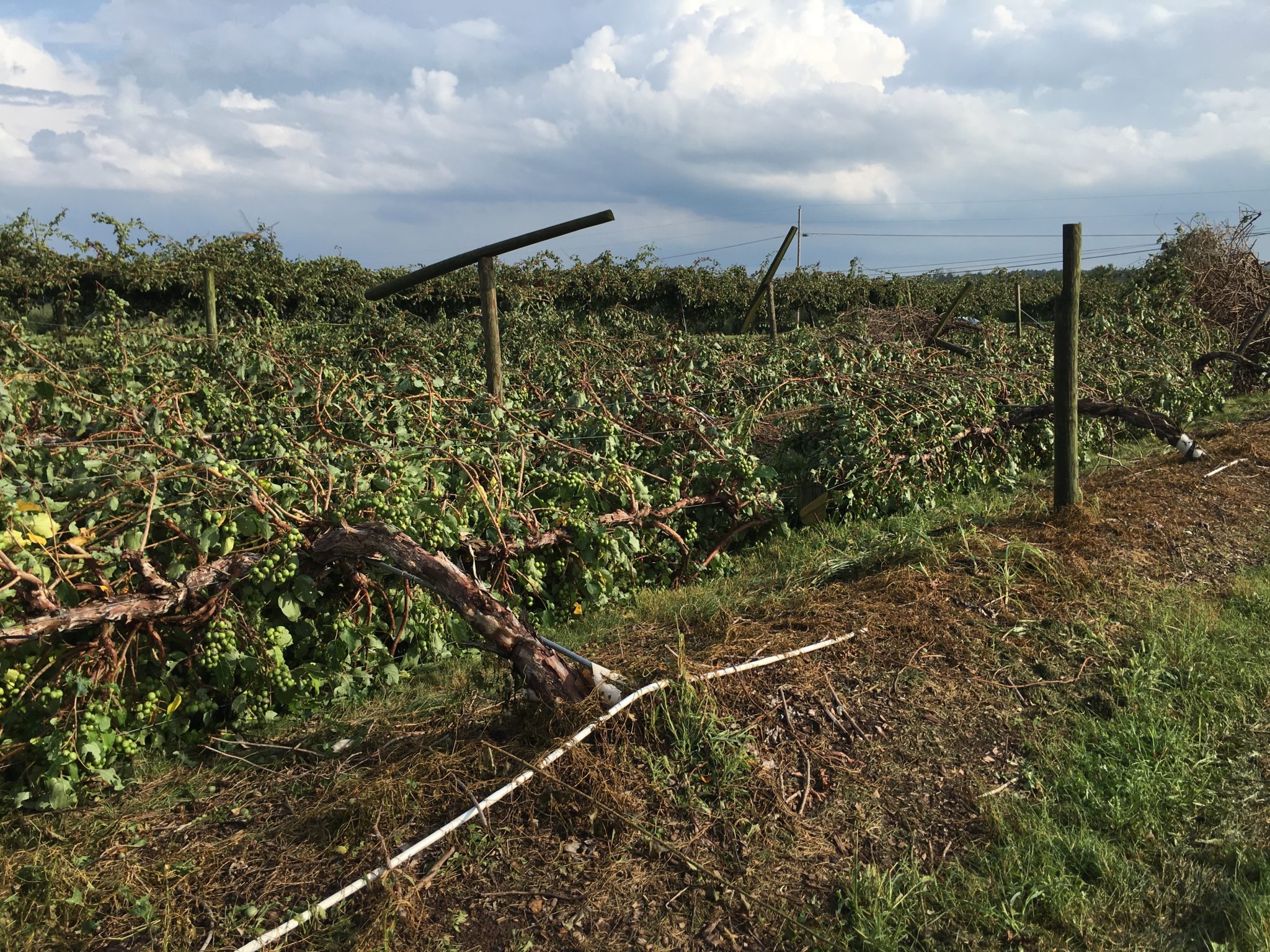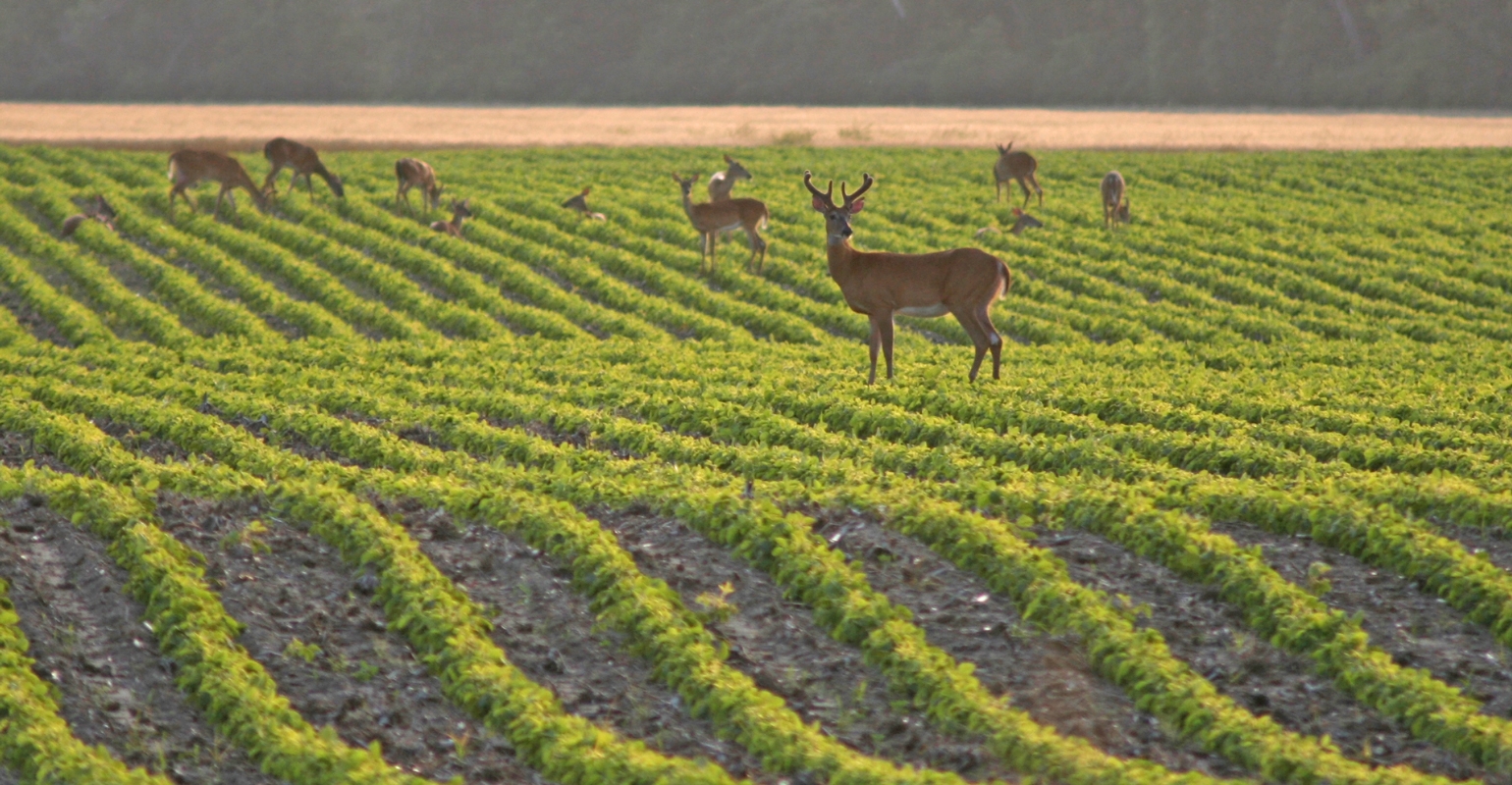
The Maryland Department of Agriculture in partnership with the Department of Natural Resources today announced a new initiative that will connect farmers with hunters in an effort to address deer damage on agricultural land. The goal of the new initiative is to teach deer management techniques to reduce the negative impact of deer overpopulation and loss caused by deer eating crops. The initiative was developed after farmers expressed concerns about the ongoing issue last year during the Maryland Department of Agriculture’s Deer Summit as well as a survey of farmers who continually experience crop damage.
“The negative impacts of overpopulation of deer on the economic livelihood of Maryland farmers and arborists cannot be ignored. While deer are a crucial part of the state’s ecosystem, they also cause significant damage to crops, forest regeneration, and private and commercial landscaping,” said Maryland Department of Agriculture Secretary Kevin Atticks. “Therefore, the department is working on developing and implementing strategies to manage the overpopulation of deer and minimize their negative impacts.”
“We’re excited to work with the Department of Agriculture to provide hunters new opportunities to harvest deer from agricultural land in a way that is controlled and appropriately managed,” said Maryland Department of Natural Resources Secretary Josh Kurtz. “This will be another tool that our state uses to control deer populations.”
During development of the initiative, the departments worked to identify farmers and hunters who would be willing to participate.
“Maryland’s hunting community was represented in the development of this creative strategy to enhance control of the State’s deer population,” stated Steve Keithley, Founder of the Hunters of Maryland, LLC. “We commend the Moore Administration for having listened to the hunting community. The principal barrier to taking more deer is access to private farmland. Under this initiative, access will now be developed in cooperation with Maryland farmers.”
“Maryland Farm Bureau commends the Maryland Departments of Agriculture and Natural Resources on their efforts to implement effective and innovative practices to control the deer population in Maryland to minimize their negative impacts on agriculture production,” said Maryland Farm Bureau President Jamie Raley.
The management initiative also includes plans to work with local jurisdictions to expand access to existing public lands and new opportunities for future acquisitions of public lands as well as an option for deer meat harvested by hunters be donated to the Maryland Food Bank and Capital Area Food Bank.
“Protein is such a critical part of a diet; we always want to ensure that our food-insecure neighbors have access to a variety of protein sources,” said Molly McGlinchy, Chief of Programs and Innovation at the Capital Area Food Bank. “Historically, our experience is that when we make venison available to our neighbors in need, it is a very popular item! And so, the inclusion of deer meat in the program is really exciting. Capital Area Food Bank continues to be grateful to partner with the Maryland Department of Agriculture and Natural Resources on this impactful program.”
The Department of Agriculture and the Department of Natural Resources will continue to work with Maryland farmers and hunters to achieve the anticipated goals and outcomes of this program. This initiative represents a significant step forward in managing the state’s deer population while addressing the concerns of farmers and promoting sustainable practices.
“Collaboration of this kind leads to solutions,” said State Senator Sarah Elfreth, District 30, Anne Arundel County.
Source - https://news.maryland.gov