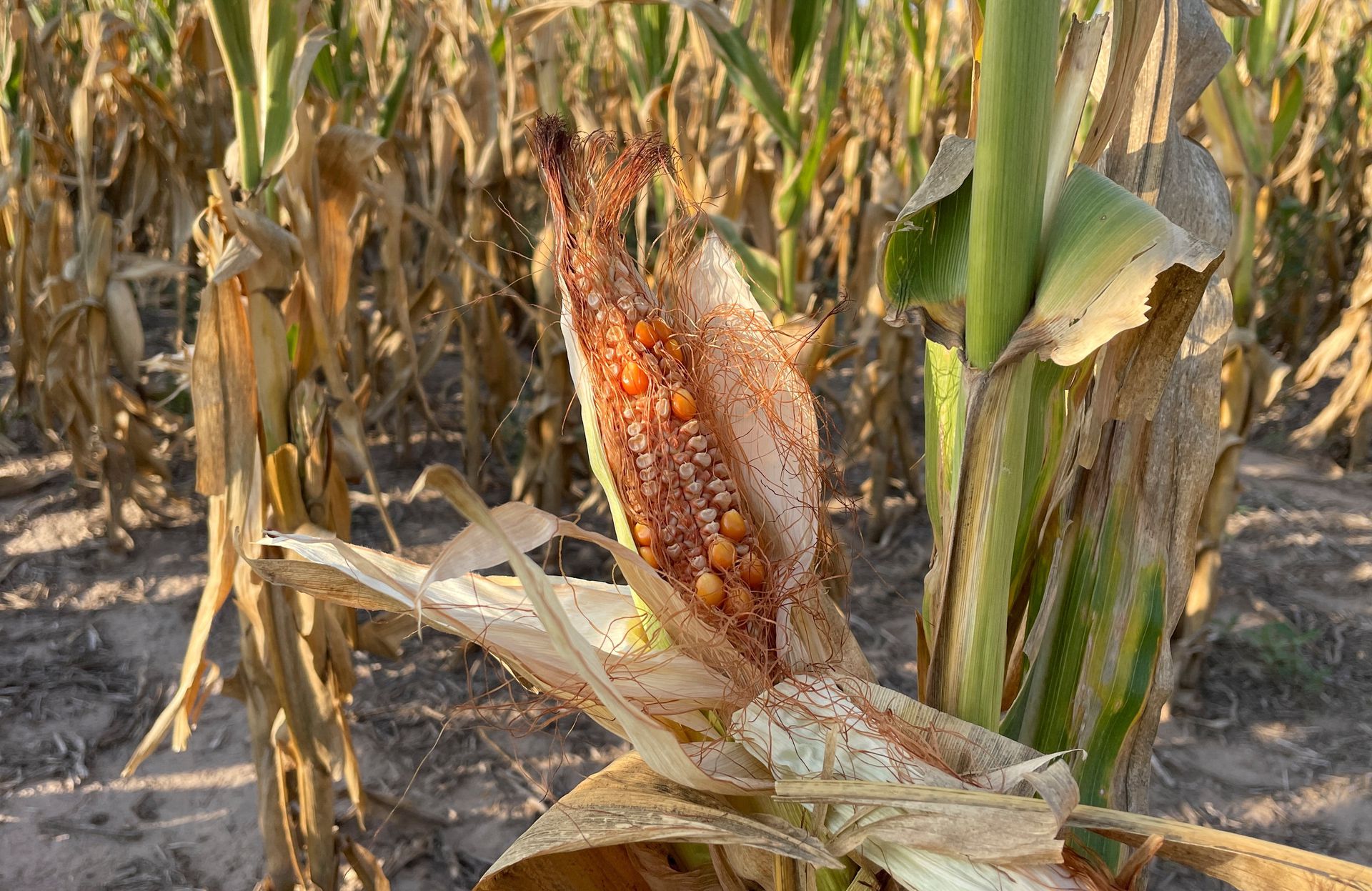
As drought conditions worsen in North Carolina, agronomists say that much of the state’s corn crop is going to be a total loss.
Willie Howell, a regional agronomist for the North Carolina Department of Agriculture, says that as the state’s corn enters the reproductive stages, the overall condition is “very, very poor.”
Howell says that the recent drought monitor map, which shows 99% of the state in drought conditions, “is about two weeks behind.” The latest drought monitor map shows 57% of North Carolina in D1 moderate drought, 42% abnormally dry, and just 1% of the state free from drought stress.
:max_bytes(150000):strip_icc():format(webp)/current_nc_cat-220a6875553b4f75b34d199371c8eeaa.png)
Recently Howell says that temperatures in the state have been high while the overall humidity has been low. “Low humidity and windy conditions are exacerbating the evapotranspiration, making plants suffer worse,” Howell says.
In eastern North Carolina, Howell says that “half to 65% of the corn crop is going to be a total loss” as a result of the dry conditions and lack of irrigation in the state.
The corn crop in North Carolina currently resembles an August crop, Howell says. “It looks like it’s the end of the season,” he says, “not the end of June.”
The USDA Crop Progress report for North Carolina for the week ending June 24 shows that the state’s corn crop is in predominantly poor/very poor shape. Seventeen percent of the crop is in very poor condition, 38% is poor, 21% is fair, 23% is good, and just 1% is in excellent condition.
Farmers face financial stress
This has growers concerned about already slim profit margins, Howell says. “Profit margins were going to be very tight this season anyway,” he says, “but now that the crop is pretty much decimated, there’s not going to be a good crop at all.”
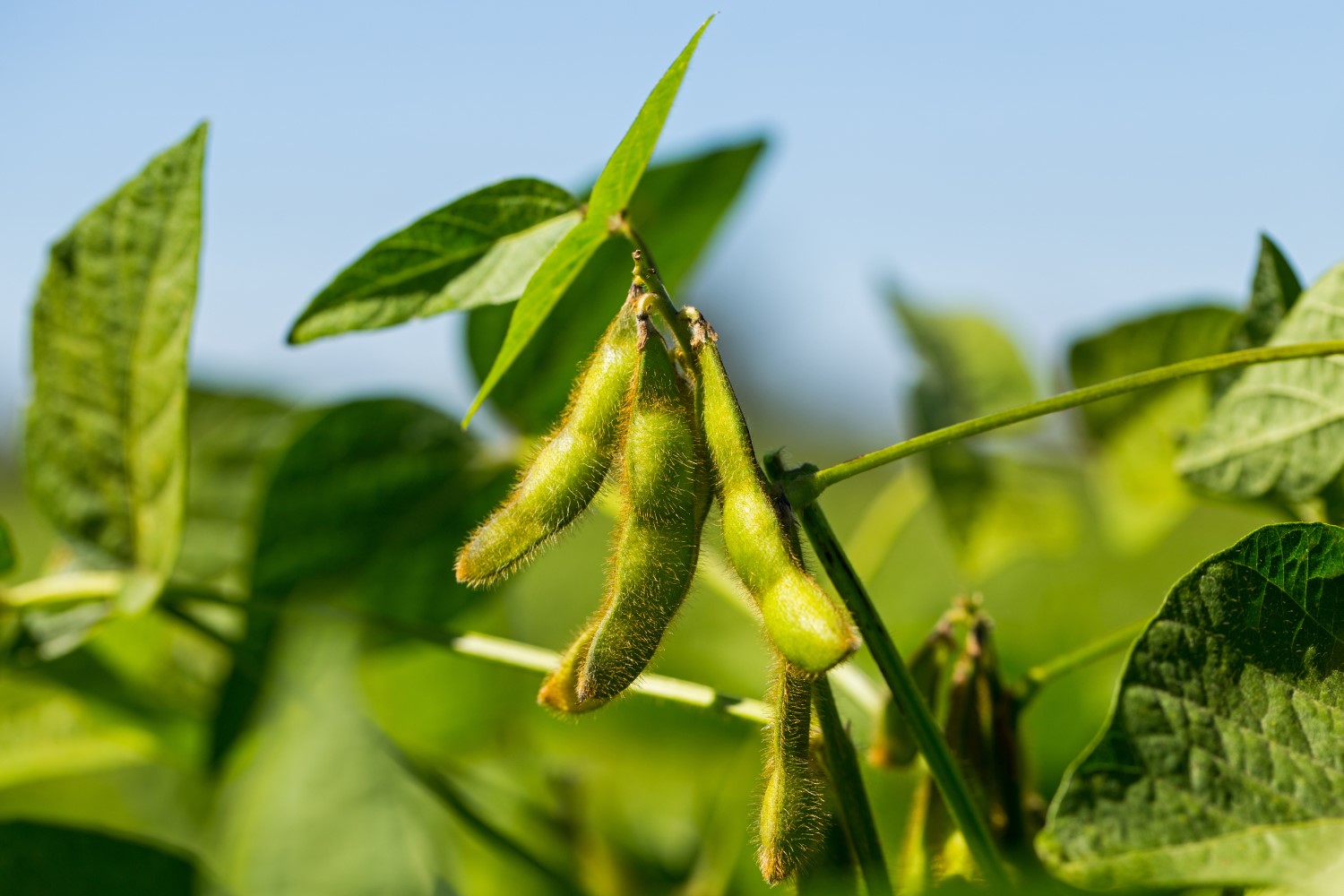
Not only is the state’s corn crop in trouble, but Howell says soybeans, tobacco, peanuts, and cotton are all being impacted by the worsening drought conditions. Unlike the corn crop, though, Howell says there’s still time for the other crops to turn around with timely rains.
North Carolina hay also suffering
Another crop that’s suffering from the intense drought conditions is North Carolina’s hay crop, Howell says. The first cutting of hay this year was a “tremendous first crop,” he says. However, since the first cutting there’s been very little rainfall, which is pushing back the crop’s second cutting, Howell says.
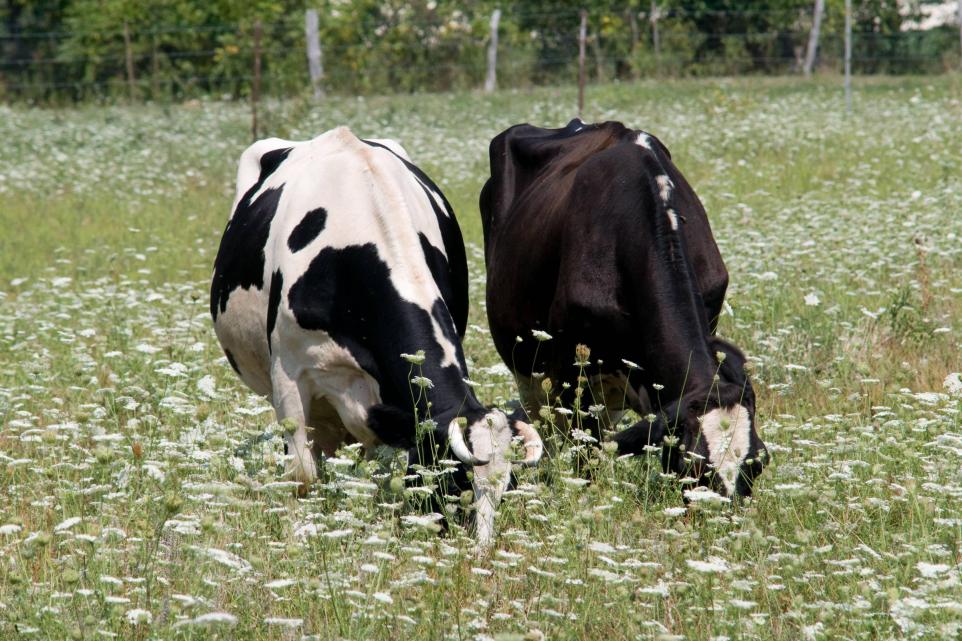
To make matters worse, Howell says pasture conditions are incredibly poor across the state. This has resulted in some growers feeding the hay they’ve already cut to keep their livestock fed. Howell says there will possibly be a hay shortage this winter, leaving growers with the question of whether to import hay from other states or reduce herd sizes.
According to the USDA Crop Progress report for the week ending June 24, pasture conditions are mostly fair, with 7% rated very poor, 16% poor, 45% fair, and 32% good. None of the state’s pastures rated in excellent condition.
Kathie Dello, the North Carolina state climatologist, says that recent drought conditions have resulted in lowered potential for crop yields, many of which are “past the point of return.”
North Carolina has been experiencing both hot and dry weather over the past few weeks, Dello says, which is making conditions tough for growers.
Despite the drought conditions, Dello says there’s hope for rain to help the state’s soybeans and other crops. The corn crop, however, is suffering the worst due to the drought conditions, Dello says.
Dello says that hurricane activity seems to be “heating up” in the Atlantic, “and while we never hope for a detrimental hurricane, we could use a good soaking storm. We’re hoping to turn things around this summer precipitation-wise, but the elevated temperatures look to be here to stay.”
Source - https://www.agriculture.com