USA - Ohio strawberry farmer lost half of spring crop as berries 'melted in the rain' amid weather headaches

30.05.2024 802 views

This year's unusually high rainfall levels have set new records in Ohio, significantly affecting the strawberry crops at Bloom and Berries Farm in Loveland.

Owner Jeff Probst says nearly half of their strawberry crops have been lost due to the rain, which may affect the availability of strawberries for summer fruit salads and daiquiris.

"Berries that have melted in the rain," he said. "We have 125,000 plants, and we're persevering, but it's been a tough spring. We had two weeks of absolute solid gray days and just rainy days."

When it comes to fruit production, as with wine, strawberries also require sugars and sunlight to develop their flavors fully. Without these, the sugars won't reduce, and the flavors would be flat, Probst adds.

Bloom and Berries Farm is a direct-to-consumer business where visitors can pick fresh produce. Probst said his guests often express the desire for food grown the way it was 100 years ago, with care and attention from farmers, rather than being mass-produced.

However, Probst said he is facing challenges due to changing weather patterns, making farming more difficult. To adapt, he has embraced agritourism, offering other activities like a beer garden, a petting zoo and children's activities.

"We've learned to diversify," he said. "But in the end, what we have to do is we need to address this weather situation because it's getting harder and harder to farm."

Probst said strawberries are particularly sensitive, and he fears that farming will become increasingly challenging in the future.

Strawberry crops have faced challenges beyond rainfall. Freezes in the winter have also impacted nearby farmers, leading to reduced availability of strawberries in the region.

"To get decent strawberries," Probst said, "we're looking at three to six hours away because our whole region has just really struggled with that winter, early-spring forecast."

Source - https://www.foxweather.com

30.08.2026

Serbia's Drought Halves Crop Yields, Few Farms Insured

Drought in July and August 2026 cut yields by more than half in parts of Serbia, but only 15 percent of farmland is insured. A corn policy costs about 4,500 dinars per hectare.

30.08.2026

India - Maharashtra Approves ₹23.33 Crore Aid For 17,245 Farmers Hit By Crop Damage

The Maharashtra government has sanctioned ₹23.33 crore in relief for 17,245 farmers whose crops were damaged by floods, excessive rainfall, cyclones and hailstorms. 

30.08.2026

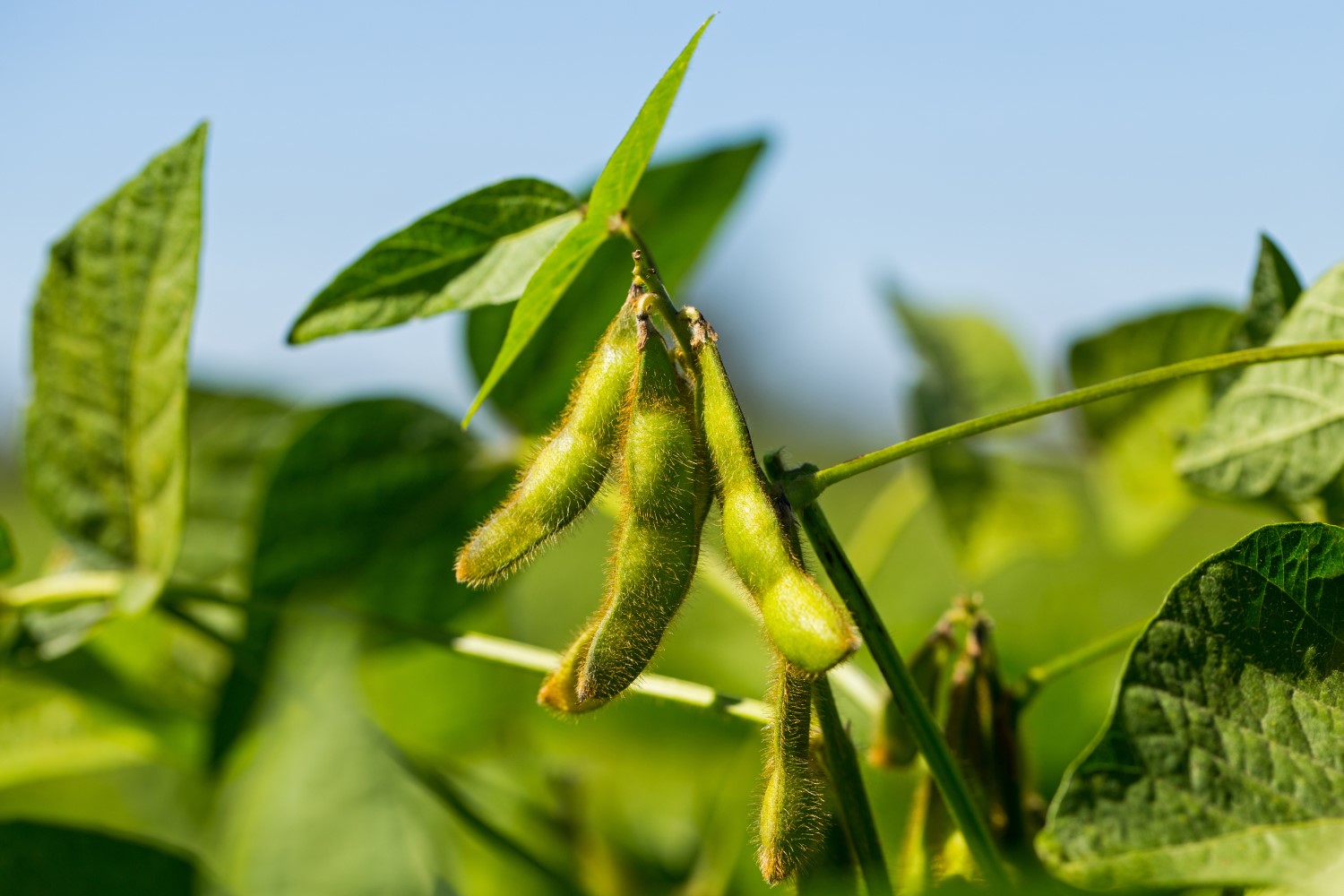
South Korea - Daedong launches soybean-specialized combine DSF85 to cut cracking, crop loss

Daedong has unveiled a new full-feed combine focused on reducing soybean cracking and crop loss during harvest.

30.08.2026

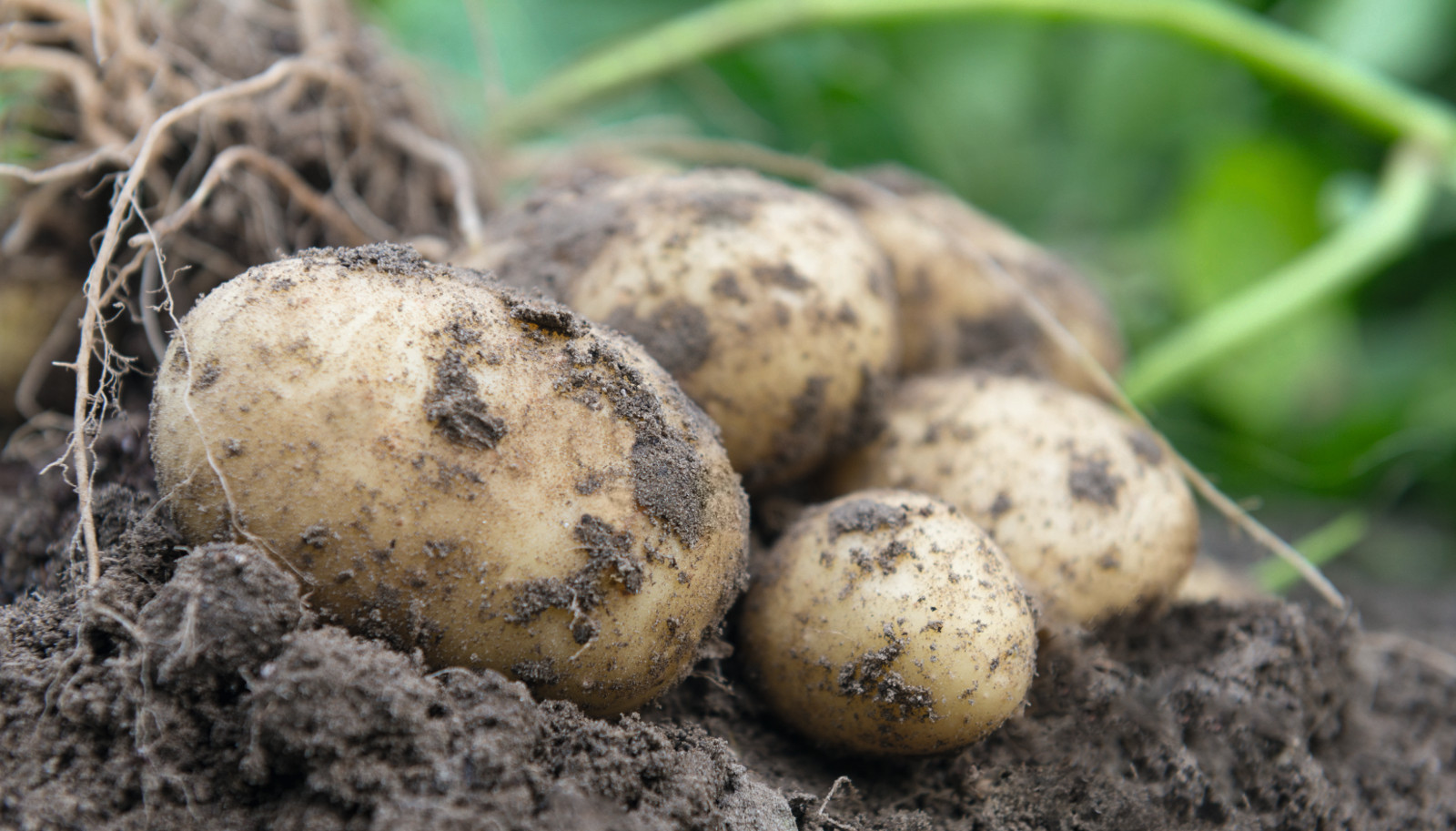
UK drought tightens its grip on potatoes, but scale of crop losses remains uncertain

England and Wales are experiencing an exceptional drought, with potato growers facing reduced tuber growth, irrigation restrictions and increasingly difficult harvesting conditions. The evidence supports serious concern—but not every alarming headline can yet be translated into a national crop-loss figure.

30.08.2026

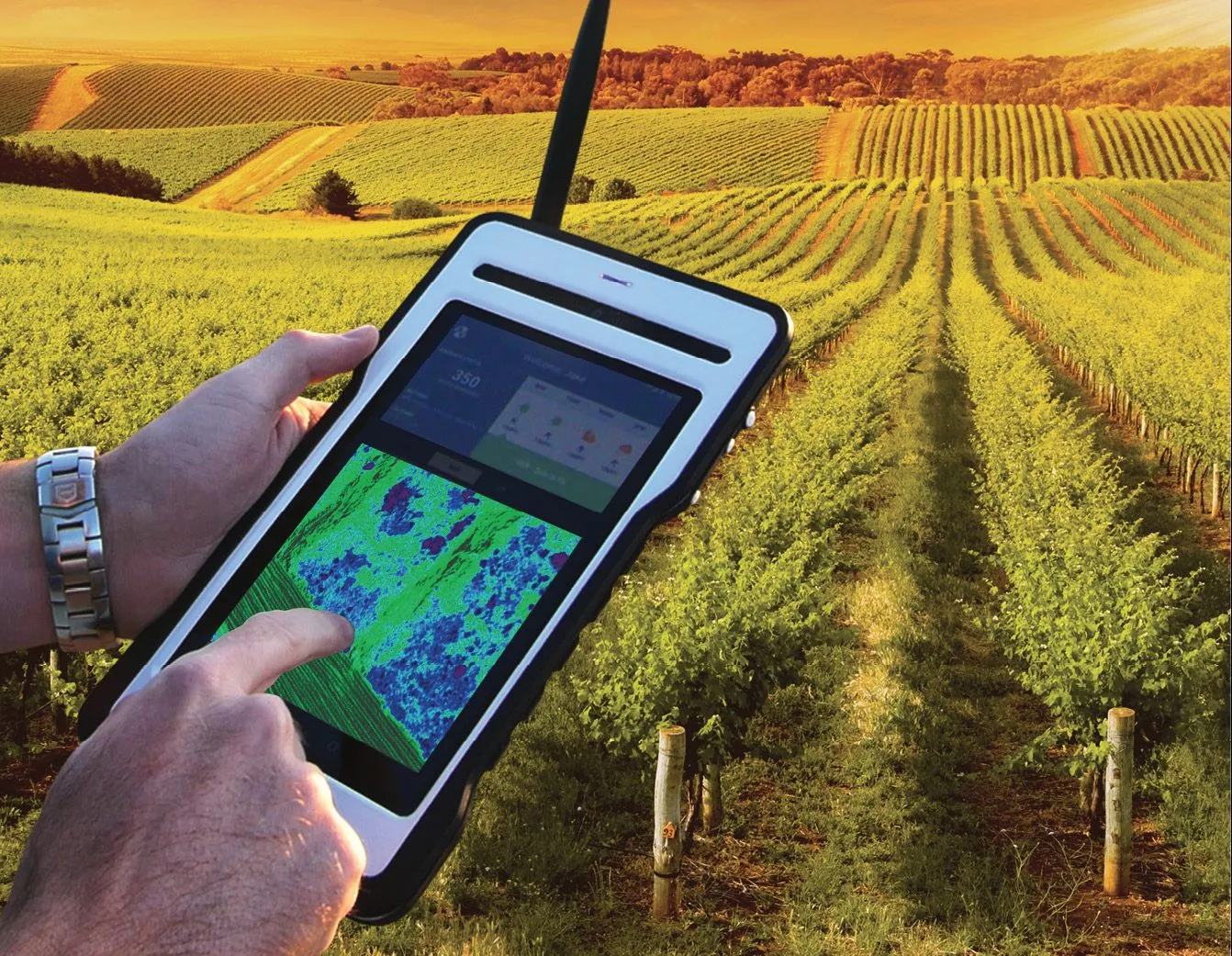
India Overhauls Farm Insurance Scheme with AI and Satellite Tech

India is upgrading the Pradhan Mantri Fasal Bima Yojana (PMFBY) using AI, drones, and satellite mapping to accelerate insurance claim settlements. 

30.08.2026

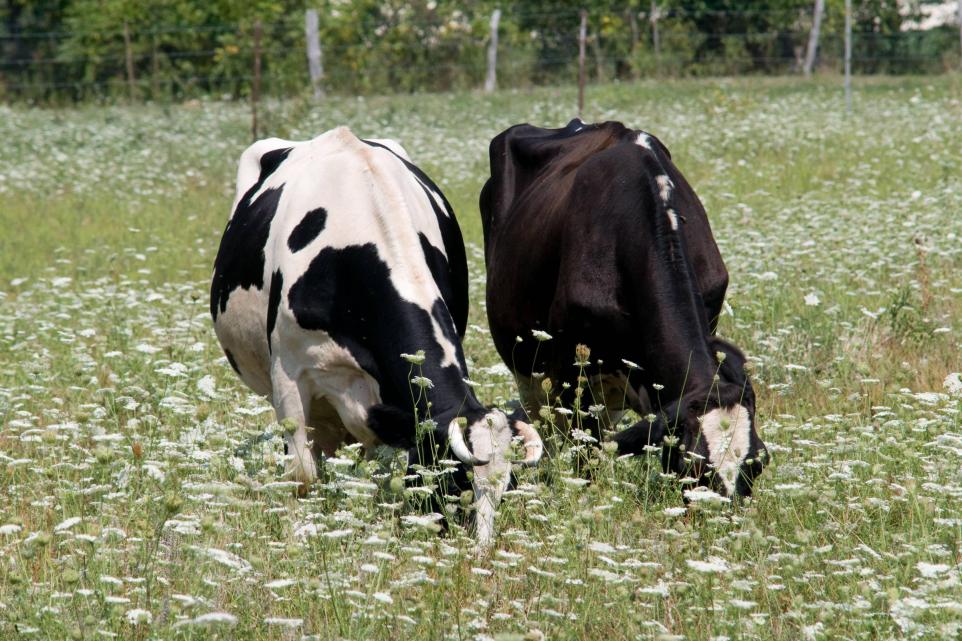
Kenya turns to digital livestock IDs to improve animal health, traceability

The system will capture information including an animal’s origin, ownership, health status, vaccination history and movements.

27.08.2026

Crop Insurance Add-Ons Surge as U.S. Farmers Expand Subsidized Coverage Nationwide

U.S. farmers sharply expanded area add-on crop insurance in 2026 after federal subsidies rose to 80%, reshaping coverage and federal costs.

27.08.2026

China grain imports in focus as crop damage hits key producing regions

Extreme heat, heavy rain and flooding across key Chinese farming regions are putting global grain and cotton exporters on alert, as markets assess whether crop damage could increase China’s import needs.