USA - Rancher sues for damages after herbicide wipes out hay harvest

03.11.2025 347 views

A Hill County agricultural company is being sued by a rancher in West. According to KWTX, the rancher has filed a lawsuit charging the company with destroying 21 acres of hay in a crop-dusting incident.

A Closer Look at the Lawsuit

The plaintiff in the lawsuit is Norman Klanika, who owns property on Heritage Parkway in West. KWTX is reporting that Klanika’s lawsuit is seeking $250,000 from Aerial AG Services and Matthew Ashcraft, of Hillsboro.

The Events Leading up to the Lawsuit

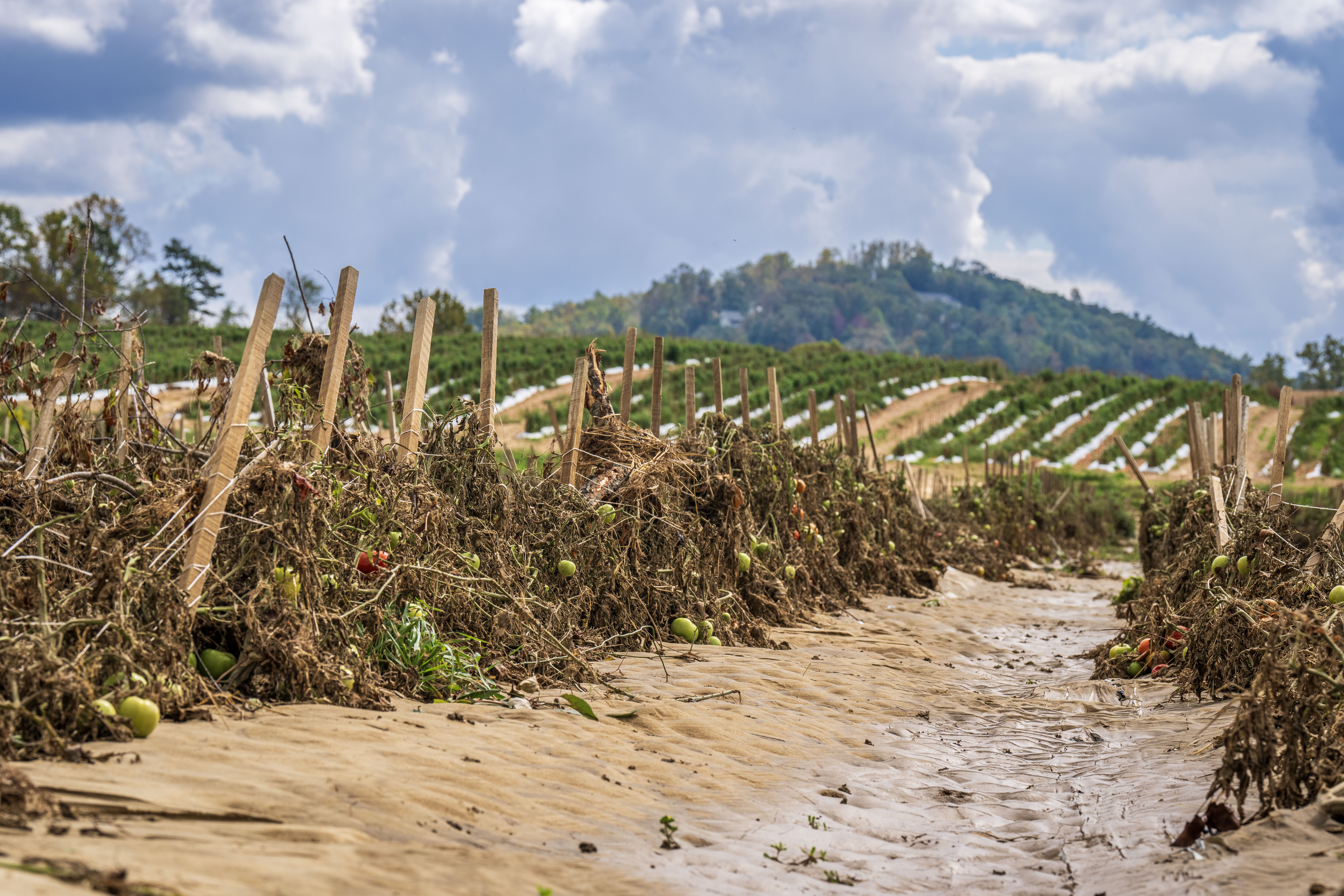
According to the lawsuit, Klanika’s neighbor hired Aerial AG Services to spray herbicides over their cotton field last spring. In the process of spraying the cotton field, the lawsuit charges negligence on the part of Aerial AG Services when the herbicide was sprayed onto a portion of Klanika’s adjoining hay field, destroying 21 acres of hay. The lawsuit charged that the negligent spraying operation destroyed at least four hay cuttings in 2025 and the 2026 growing season.

The Plaintiff Cites a Lack of Communication

According to the lawsuit, the defendants assured Klanika that the matter would be resolved, but then ceased all communication. At that point, Klanika filed a lawsuit to obtain compensation for the loss of revenue.

Additonal Charges in the Lawsuit

In addition to the charges of negligence due to Klanika’s hayfield being sprayed with presticide, KWTX reports the lawsuit alleges the company also violated state codes and regulations.

How Do Pesticides/Herbicides Destroy Hay Fields?

Pesticides/Herbicides used to kill foilage (as with cotton plants) can drift onto other plants and grasses through drift, unintentionally killing other plants and grasses. According to oregonstate.edu,  Herbicides with residual activity can remain in the soil, preventing growth for years. In hay crops that are contaminated, the herbicides can be passed along through livestock droppings, which can also damage grassy areas.


Source - https://kisselpaso.com

18.05.2026

USA - USDA Rolls Out Livestock Insurance Program Enhancements as Producer Premiums Top $1.7 Billion

The USDA’s Risk Management Agency (RMA) on Monday is announcing a sweeping package of updates to its three flagship livestock insurance products — Livestock Risk Protection (LRP), Livestock Gross Margin (LGM) and Dairy Revenue Protection (DRP) — beginning with the 2027 crop year. 

18.05.2026

Puerto Rico - Department of Agriculture recommends farmers seek insurance protection against hurricanes

More than 4,000 farmers applied for agricultural insurance ahead of hurricane season in Puerto Rico.

18.05.2026

Bangladesh - Sunamganj farmers face cattle feed crisis after haor crop loss

Farmers and cattle rearers in Sunamganj’s haor region are facing growing uncertainty over livestock feed following heavy rainfall that damaged paddy crops and disrupted straw collection, the main source of cattle fodder.

18.05.2026

From farm risk to value chain resilience: Food system benefits of agricultural insurance

The global landscape of agricultural risk has been changing dramatically. More frequent and intense climate and economic shocks have become the norm.

18.05.2026

Sri Lanka - Govt. to provide compensation for weather-damaged crops through Agrarian Insurance Board

Compensation for crop damage caused by the recent adverse weather conditions will be provided through the Agricultural and Agrarian Insurance Board, the Deputy Minister of Agriculture and Livestock, Namal Karunaratne has stated.

18.05.2026

Nepal - Rain inflicts crop damage worth Rs 460 million in Kavrepalanchowk

Recent heavy rainfall caused agricultural losses worth hundreds of millions of rupees in two local levels of Kavrepalanchowk district, according to official estimates.

14.05.2026

ASF outbreak deepens uncertainty for Bhutan’s pig farmers

The ministry urged farmers to immediately strengthen farm biosecurity by restricting visitors, preventing contact between domestic and wild pigs, and ensuring that any kitchen waste fed to pigs is boiled and cooked for at least 30 minutes.

14.05.2026

More focus on early detection of Nesidiocoris

In Northern Europe, the predatory bug Nesidiocoris tenuis, commonly referred to as Nesi, presents a growing challenge for tomato growers.