Scientists at the U.S. Department of Agriculture’s Agricultural Research Service recently discovered 33 new species of toxin-producing fungi, opening the door for research to combat a major scourge of the world’s food supply.
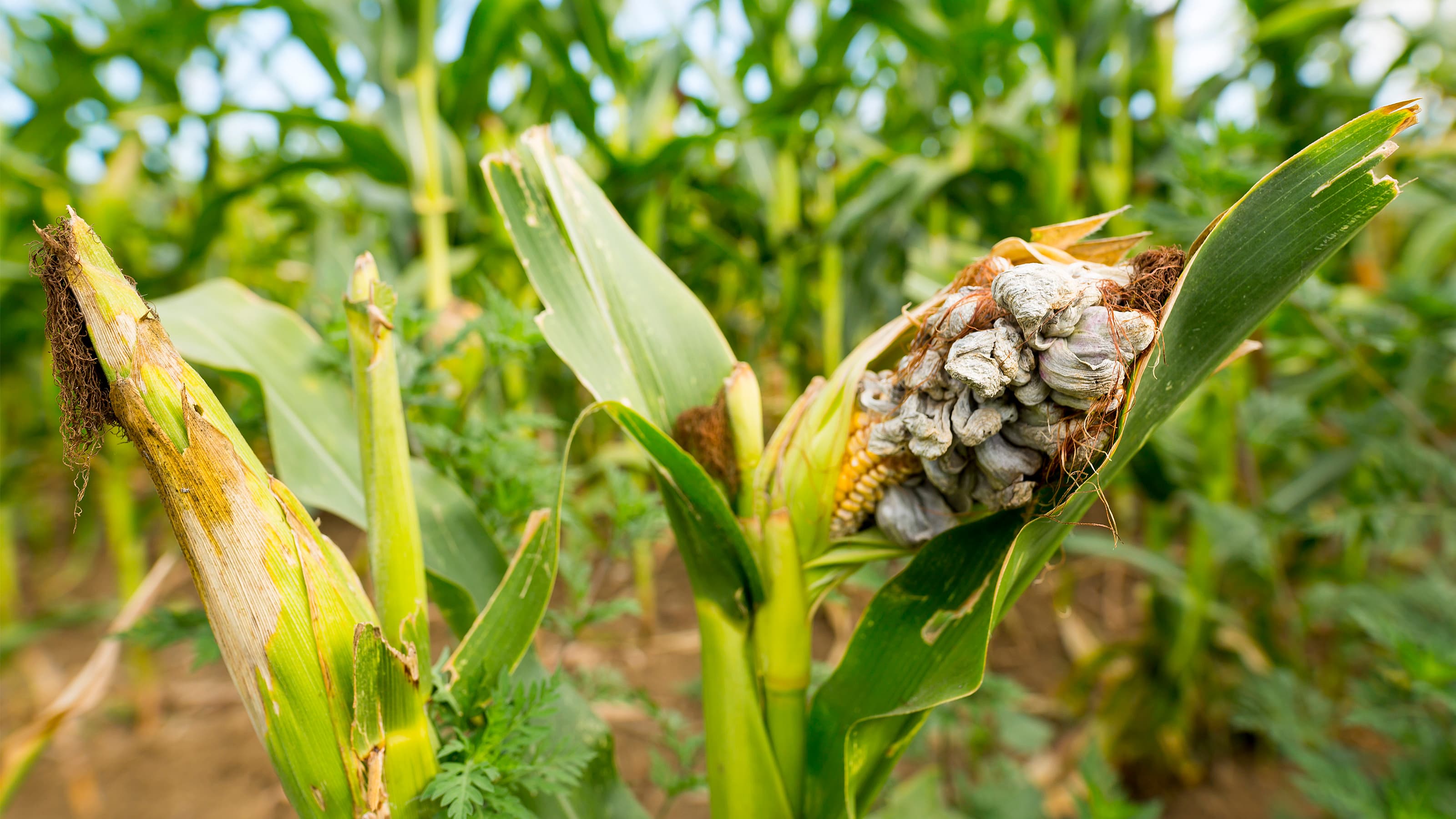
According to a peer-reviewed article, the fungus Fusarium is extremely complex and contains many plant pathogens and toxigenic species that endanger a wide range of economically important crops, the most common of which causes Fusarium head blight.
“The research team found 33 new species of fungi in the genus Fusarium that produce mycotoxins that are harmful to plant, animal and human health,” said Imane Laraba, lead author of the article and microbiologist at the Agricultural Research Service’s Mycotoxin Prevention and Applied Microbiology Research unit in Peoria, Illinois. “Some of these fungi also cause severe symptoms of FHB, an economically important disease of cereal crops in the United States.”
While most of the fungi were isolated from infected plants, some were found in soil.
The new fungal species are being held at the Mycotoxin Prevention and Applied Microbiology Research unit, which is part of the National Center for Agricultural Utilization Research. The center hosts the Agricultural Research Service Culture Collection, one of the largest public collections of microbes -- bacteria, yeast and filamentous fungi -- in the world, with about 98,000 strains.
According to Kirk Broders, curator of the Agricultural Research Service Culture Collection and microbiologist at Mycotoxin Prevention and Applied Microbiology Research unit, 25 percent of the world’s crops are affected by mycotoxins each year, with annual yield losses of about one billion metric tons of food and food products. Although estimates of the costs of crop loss due to mycotoxins in the United States are difficult to measure because they impact total grain harvested and grain quality after harvest, they have been estimated to range from $500 million to $1.5 billion per year.
Broders said, “The toxins that some fungi produce present a direct threat to livestock and humans, as many can cause illness and may be carcinogenic if consumed regularly over a prolonged period.”
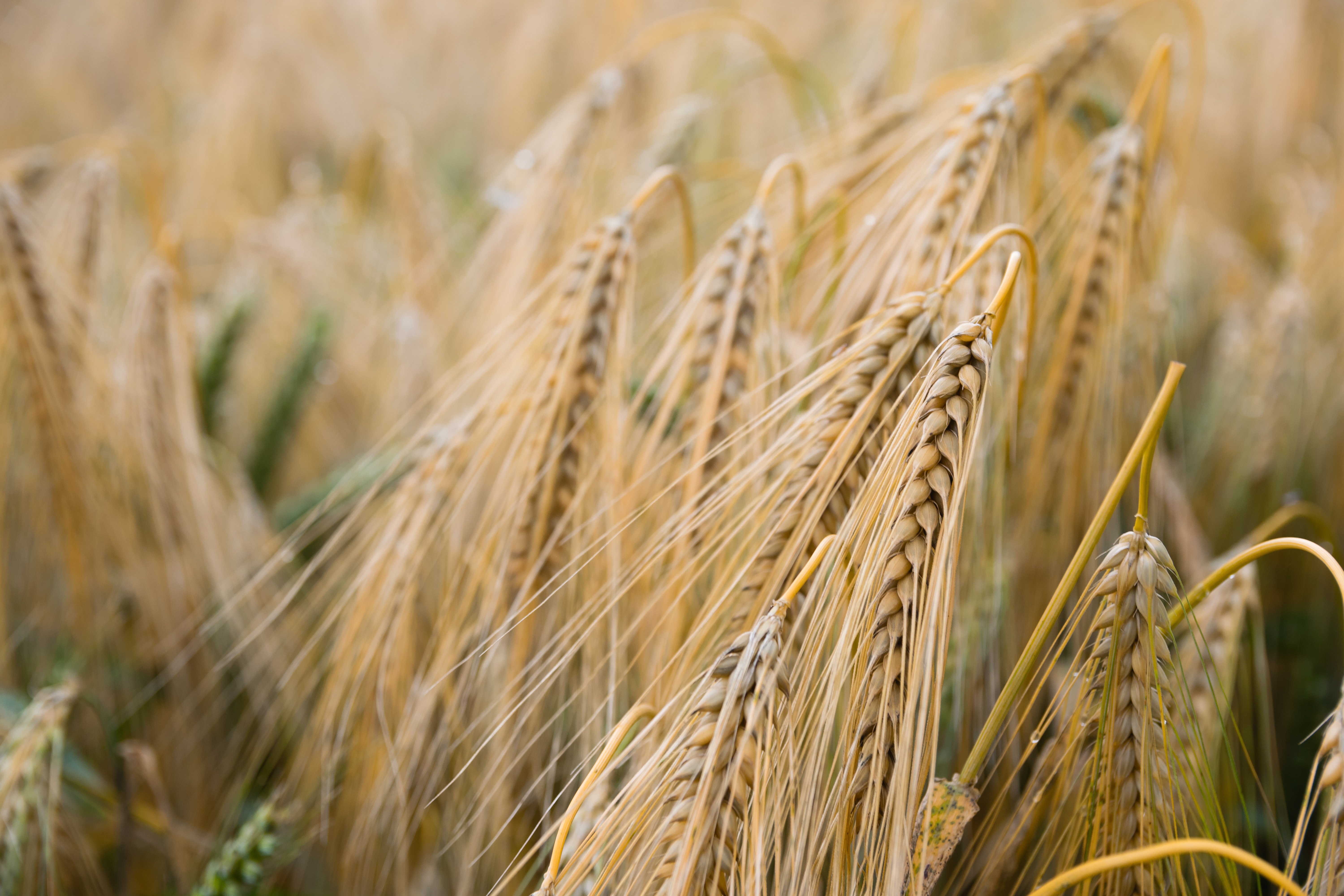
The annual threat of Fusarium head blight to the U.S. cereal grain industry is an estimated economic losses of $655 million per year. On wheat, the fungus that causes the disease infects florets -- the flowering tissue of wheat -- as seeds start to develop in the wheat head, Laraba said. The fungus and the toxins accumulate in the wheat seeds. If those seeds are harvested and ground into flour, the toxins present in the flour can cause the rejection of entire loads of grain. That loss can be as much as $1.4 billion each year.
“The rejection of contaminated wheat prevents toxins from getting into our food supply, but it represents a significant financial loss to growers and may increase the price of grain and flour – and, ultimately, the cost of bread, pasta, crackers, etc.,” Broders said. “This is why it is so important to prevent the fungus from infecting the wheat head during the season.”
One of the goals of the Agricultural Research Service Culture Collection team is to curate a more comprehensive collection of plant pathogenic fungi and bacteria, Broders said. Researchers around the world can then use those specimens to breed more resistant crops, develop new diagnostic tools to monitor pathogens, detect new invasive pathogens and prevent them from spreading, and evaluate new chemical and biological control compounds.
“Our food system is under constant threat from pests, whether they be insect, fungi, bacteria, or viruses,” Broders said. “ARS researchers work to recognize and prevent these threats before they damage and drastically impact crop yield.”
Source - https://agupdate.com