Since catastrophic flooding hit Vermont in July and waterlogged crops, some farmers are trying to figure out how to get through the next season.
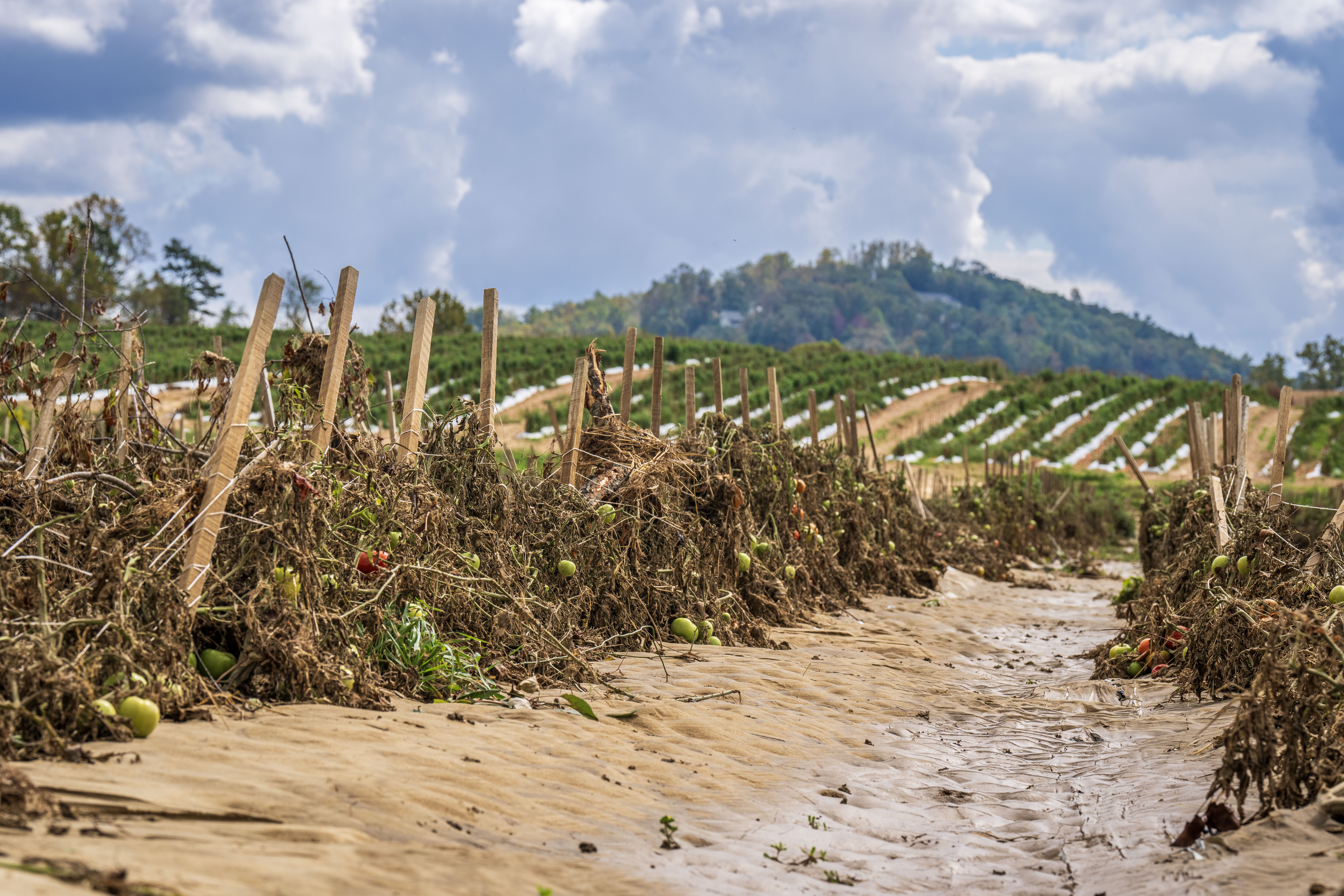
Water washed away seeds planted in the summer at Bear Roots Farm, which grows about 20 acres of mostly root vegetables at a high altitude. Farmers and co-owners Jon Wagner and Karin Bellemare are now asking themselves whether they want to take out a loan to plant all those seeds again — especially since it’s currently raining in January in Vermont.
They estimate the extreme rainfall caused them a 50% financial loss of about $180,000. The pair support legislation introduced last month by Vermont U.S. Sen. Peter Welch, a member of the Senate Agriculture Committee, and Sen. Bernie Sanders, as well as senators from Massachusetts. The bill aims to create an insurance program for small produce farms facing losses from increasingly extreme weather in the Northeast and other parts of the country.
“In Vermont we had frost in May that hurt a lot of our farmers, particularly orchards, and then of course we had the devastating floods in July. And those floods really wiped out crops,” Welch said at a press conference Friday at Roots Farm Market.
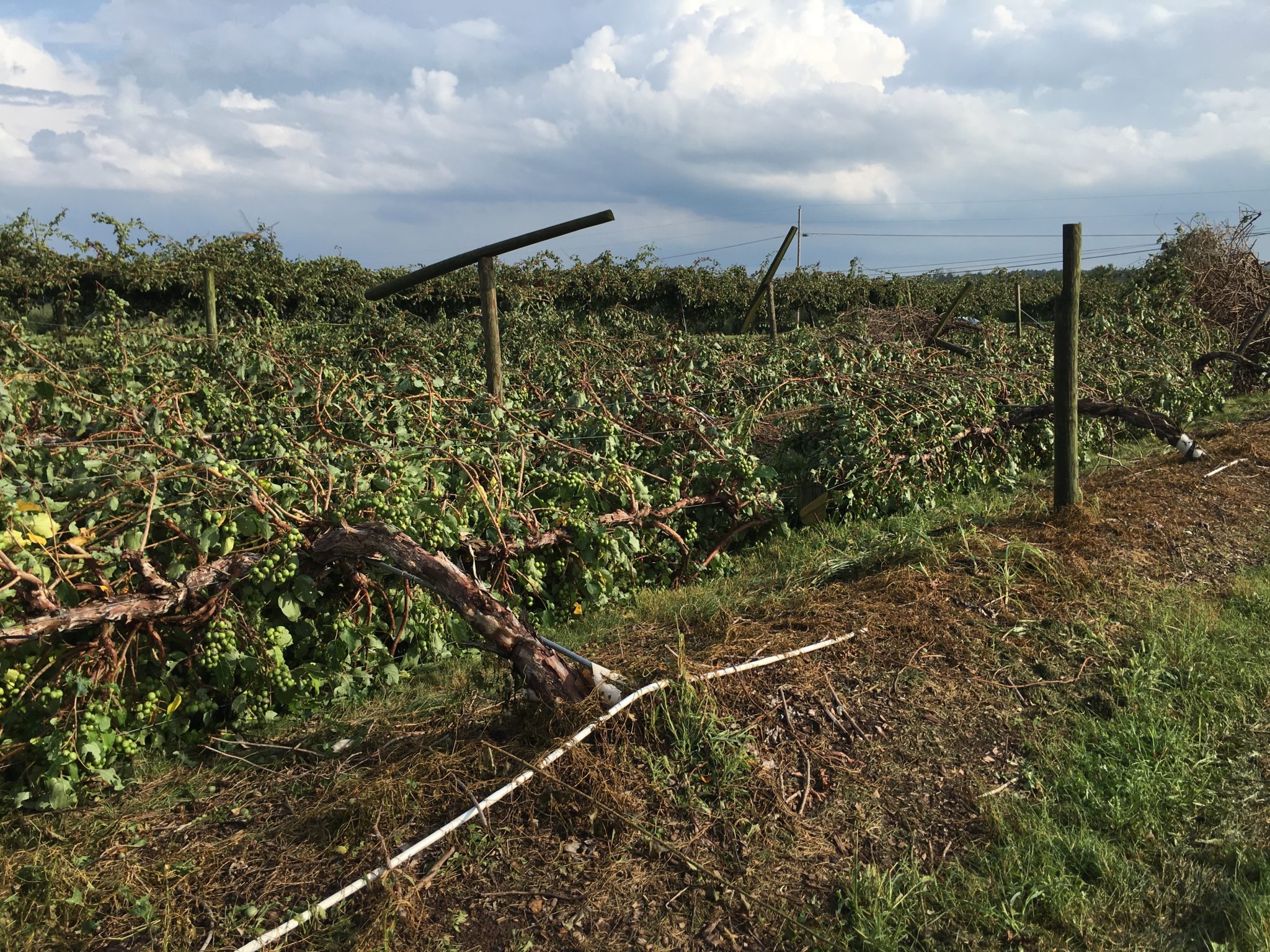
The flooding affected nearly 28,000 acres of farmland in Vermont, causing over $16 million in losses and damage, Welch’s office said. That came after the May frost that caused $10 million in losses, particularly to apple and grape growers.
“Unfortunately, with all the various insurance programs that are there to back up our farmers we really don’t have an insurance program that will help our small vegetable farmers,” Welch said.
The current crop insurance program is inadequate because farmers have to identify how much of a crop was a particular vegetable and potentially only get the wholesale value but farms like Bear Roots Farm sell their produce retail, he said.
The legislation, called the Withstanding Extreme Agricultural Threats by Harvesting Economic Resilience or WEATHER act, directs the U.S. Department of Agriculture to research the possibility of developing an index-based insurance program in which payouts would be based on agricultural income, according to Welch’s office.
Grace Oedel, executive director of the Northeast Organic Farming Association of Vermont, said the group has been working with hundreds of farmers who have had devastating losses but could not recoup them with the existing programs.
“So there’s been a patchwork effort to help people make it through the season,” she said.
Wagner said that to operate, they had taken out loans with a high interest rate — and when the extreme rains hit, they didn’t have a way to pay them back. They were able to acquire some funding locally and from other sources that didn’t completely bridge the gap but was enough to get them to the current moment, he said. Usually they sell their storage crops through June and July of the following year but now there’s not much left, he said
A fundraising campaign launched earlier this month by some business and government leaders with hopes to raise $20 million for affected farmers while the need is higher at nearly $45 million, according to the Vermont Agency of Agriculture Food & Markets.
“There’s nobody who’s unaffected, whether you’re a perennial grape or apple grower, a dairy farmer trying to cut forage when it’s raining every other day all summer, or a vegetable farmer that might have been under four feet of water,” said Justin Rich, president of the Vermont Vegetable and Berry Growers Association, and a produce farmer in Huntington. “So it was just kind of whiplash for a lot of growers.
Source - https://www.claimsjournal.com