Overall corn and soybean production — Iowa’s two biggest row crops — held steady for the state in 2023. New data, however, reveals localized disparities in crop yields that are likely due to drought impacts.
Iowa’s average corn for grain yield increased from 200 to 201 bushels per acre from 2022 to 2023, according to the U.S. Department of Agriculture. The state’s average soybean yield dropped half a bushel per acre in that time frame, leaving the 2023 harvest around 13.7 million bushels short of the year before.
The new USDA data released in February parses through county-level yields — revealing trends that defy some of Iowa’s traditionally productive regions, said Mark Licht, an Iowa State University associate professor and extension cropping systems specialist.
East-Central and Northwest Iowa typically see higher soybean yields, while Central, North-Central and Northwest Iowa typically see higher corn yields.
In 2023, counties with higher yields were mostly seen “at a diagonal from Northwest Iowa down to Southeast Iowa,” Licht said, slicing across different soils and water tables that typically drive crop productivity. “I did find it interesting because sometimes you don't see clear patterns. … This pattern kind of transcended the higher productivity areas versus the lower.”
Most Northwestern Iowa counties, for example, saw an extra 10-plus bushels of corn per acre last year. In Plymouth and Sioux counties, that translated to about 10 million extra bushels of corn each compared with the 2022 harvest.
Both corn and soybean yields generally increased across Central and Southeast Iowa as well. Boone County’s 69.1 bushels of soybeans per acre topped the state for county yields and resulted in an extra 1 million bushels compared with the county’s 2022 harvest.
Pockets of Southwest Iowa were treated to unusually high yields, too, Licht said. Pottawattamie County produced the most corn at 47.1 million bushels, up about 2 million bushels from 2022.
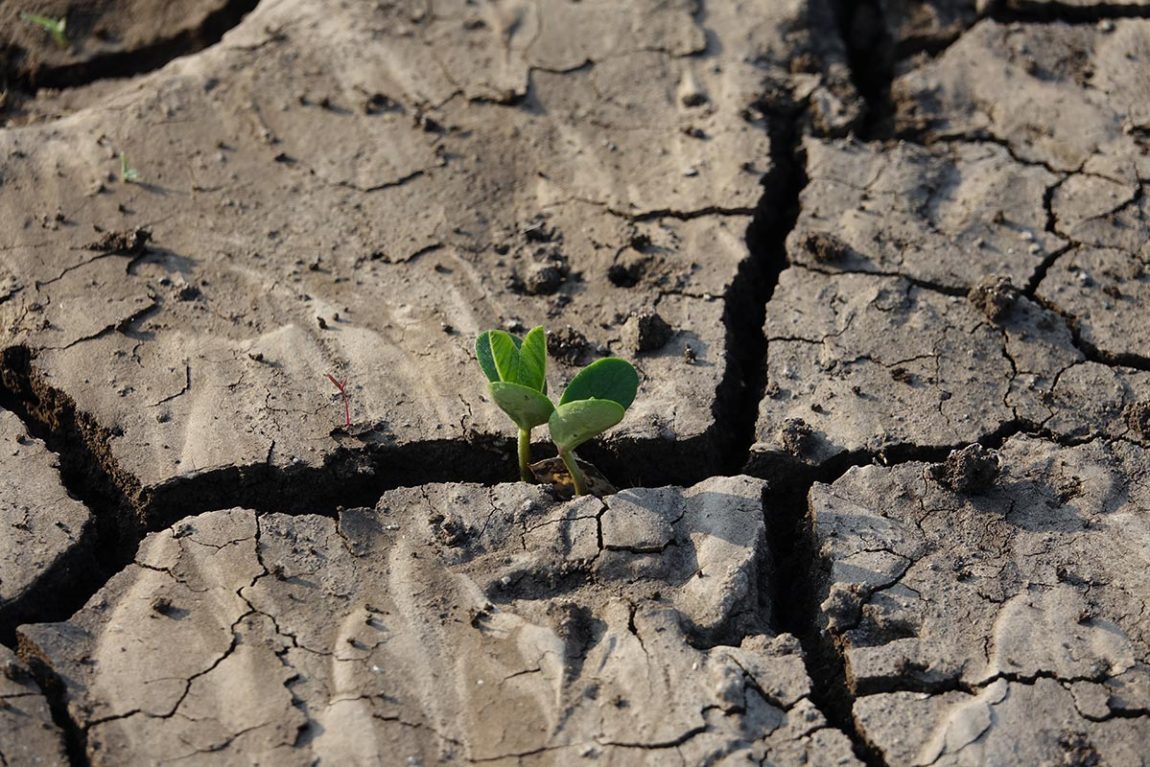
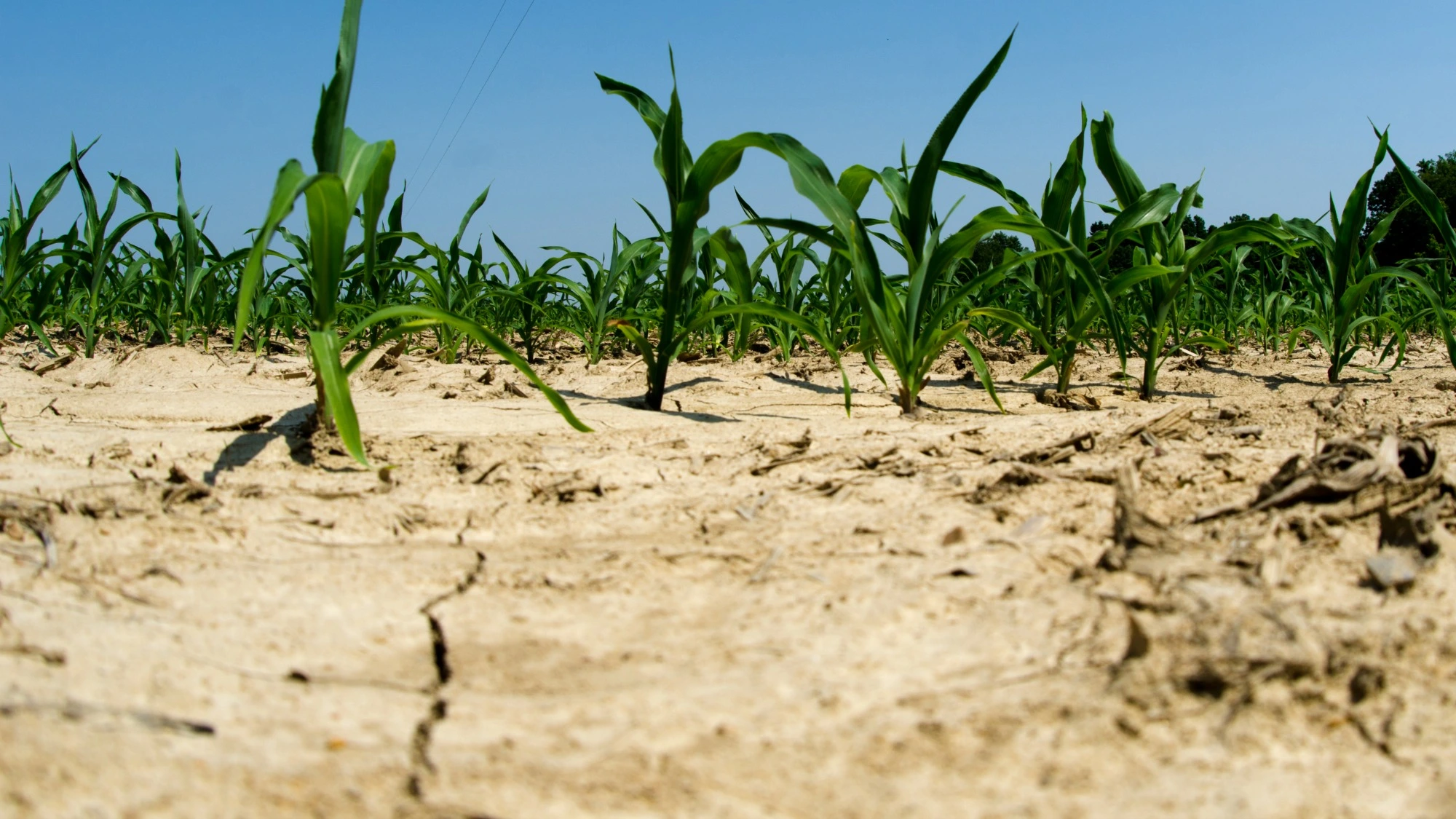
The Iowa regions with lower crop yields largely overlapped with the areas hit hardest by drought.
Last year’s U.S. Drought Monitor reports showed a swath of extreme and sometimes exceptional drought — the two most intense categories of drought — stretching from Northeast Iowa down through East-Central Iowa for weeks at a time. Producers in the region reported faltering crop conditions and declining feed levels to The Gazette in the early fall.
After enduring their worst drought conditions on record, most East-Central Iowa counties saw hits to their crop yields and production, the USDA data shows. Corn yields in Linn County dropped from 215 to 179.5 bushels per acre — among the lowest in the state — translating to a nearly 4 million bushel loss in production. Soybean yields also dipped considerably in the region, declining by around 8 million bushels in reporting counties.
Northeast Iowa saw similar hardships. Corn yields in Dubuque County dropped from about 224 corn bushels per acre in 2022 to just under 200 in 2023. That comes out to a 5.5 million bushel loss in production. Soybean yields dropped by about 10 bushels in every county in the region, leaving it more than 12 million bushels short of its 2022 harvest.
However, crop production in some drought-ridden areas still prevailed: Despite experiencing severe drought throughout the growing season, corn and soybean yields increased for both Keokuk and Washington counties and for several surrounding counties.
“We did have some timely rains that maybe helped us get those high yield levels on the soybeans in particular,” Licht said. Aside from small stretches of extreme heat, summer temperatures were mostly moderate, which also helped mitigate drought stress on crops.
Iowa’s total 2023 harvest of corn and soybeans hung around the state averages for the crops. That trend line has plateaued over the last decade, Licht said, and yield potential has stopped increasing.
“That's a little bit concerning. I think it's attributed to the dry weather more than anything,” he said. “I think once we get some better weather patterns coming through and some good moisture, we'll start to see the record yields and record production coming around again.”
Source - https://www.thegazette.com